• Skip to main content
  • Skip to primary sidebar
  • HOME
  • SKIN CARE
  • HAIR CARE
  • HEALTH AND WELLNESS
  • CONTACT US

Sharvayoni

Unearth Nature's Magic - Your Path to Herbal Radiance and Wellnes

tea tree oil

Coconut Oil Lice Prevention & Cure: The Ultimate Leave-In Conditioner

March 27, 2024 by sharvayonibeauty Leave a Comment

Lice infestations can be a common and frustrating problem, especially among children. Dealing with these tiny parasites can be both time-consuming and uncomfortable. Fortunately, nature has provided us with a powerful ally in the form of coconut oil. In this article, we’ll explore how you can use coconut oil, along with a few other essential ingredients, to create a highly effective leave-in conditioner that not only helps prevent lice but also works as a natural cure. Say goodbye to lice-related worries and hello to healthier, lice-free hair!

Things Needed

Before we delve into the process of making and using this coconut oil-based leave-in conditioner, let’s gather all the necessary items you’ll need:

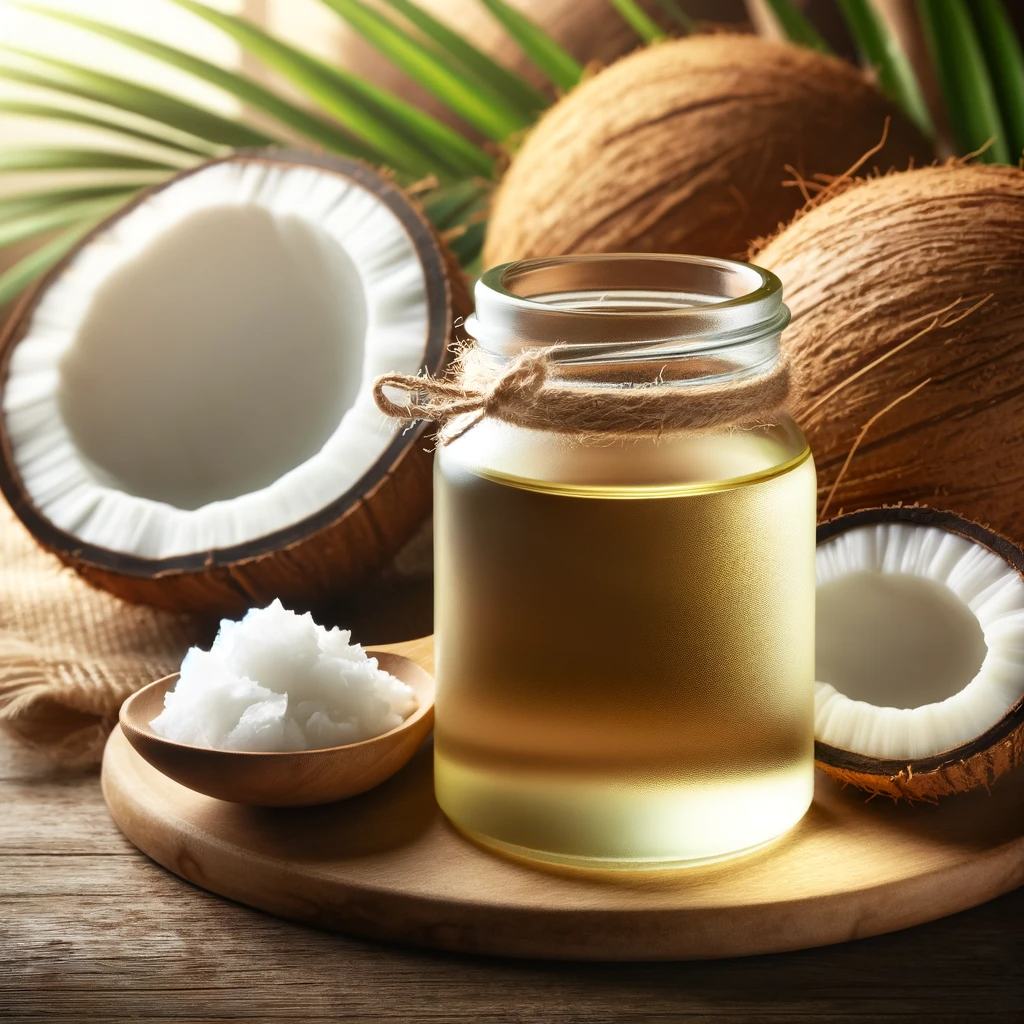
  1. Coconut Oil: You’ll require 3 tablespoons of coconut oil. Ensure it’s pure, unrefined coconut oil for the best results.
  2. Ylang Ylang Oil: 1 teaspoon of ylang-ylang oil, known for its pleasant fragrance and potential lice-repelling properties.
  3. Tea Tree Oil: 1 teaspoon of tea tree oil, which is widely recognized for its antimicrobial and insect-repelling qualities.
  4. Anise Oil: 1 teaspoon of anise oil, which has been used traditionally for lice prevention.
  5. Distilled Water: 1 cup of distilled water, ensuring purity.
  6. Apple Cider Vinegar: 2 cups of apple cider vinegar, known for its ability to help dissolve the sticky substance that lice eggs use to attach to hair.

Now that you have all the ingredients ready, let’s move on to the steps to prepare and apply this lice prevention and cure leave-in conditioner.

Steps to Prepare

Follow these simple steps to create and apply the coconut oil-based leave-in conditioner:

Step 1: Mixing the Ingredients

In a small mixing bowl, combine the first four ingredients: coconut oil, ylang-ylang oil, tea tree oil, and anise oil. Blend them together thoroughly to create a well-mixed solution.

Step 2: Application

Massage the oil mixture generously over your entire scalp and hair area. Ensure that you cover all parts of your head, from the scalp down to the tips of your hair.

Step 3: Combing

Using a fine-toothed comb or your fingers, work the oil through your hair. This step helps to ensure that the conditioner is distributed evenly and reaches all parts of your hair.

Step 4: Wait

Leave the conditioner on your hair for approximately 120 minutes. To maximize the effectiveness, cover your hair with a plastic cap.

Tip: Heat Application

To enhance the conditioner’s effectiveness, consider using a hair dryer or exposing your hair to direct sunlight for some heat during this waiting period.

Step 5: Combing Again

After the waiting time has passed, use a fine-toothed comb to comb through your hair. This will help remove any dead lice or eggs.

Step 6: Rinse and Pat Dry

Wash your hair thoroughly, ensuring that all the conditioner is rinsed out. Afterward, gently pat your hair dry with a clean towel.

Step 7: Vinegar Spray

Combine the distilled water and apple cider vinegar in a spray bottle. Shake vigorously to mix the solution.

Step 8: Apply Vinegar Spray

Apply the vinegar spray to your hair, gently rubbing it in. This helps to dissolve the glue that lice eggs use to attach to your hair.

Step 9: Final Rinse and Comb

Rinse your hair once more and use a fine-toothed comb to ensure that all lice and eggs have been removed.

Step 10: Apply Light Coconut Oil

To moisturize your hair, apply a light layer of coconut oil. Cover your hair with a plastic cap and style as desired.

Tip: Leave-In Treatment

For ongoing lice prevention, you can leave the coconut oil in your hair until your next hair wash.

Benefits

Using this coconut oil-based leave-in conditioner offers several benefits for lice prevention and hair health:

1. Natural Lice Prevention

Coconut oil, ylang-ylang oil, tea tree oil, and anise oil have all been associated with properties that help repel lice naturally. This leave-in conditioner provides an effective preventive barrier.

2. Lice Cure

In addition to prevention, this treatment can help eliminate existing lice and their eggs, making it a natural and non-toxic alternative to chemical treatments.

3. Hair Health

Coconut oil is an excellent moisturizer for hair, leaving it soft and nourished. The additional ingredients provide antimicrobial and soothing benefits for your scalp.

4. Cost-Effective

Compared to commercial lice treatments, this homemade conditioner is cost-effective and uses natural ingredients without harsh chemicals.

Conclusion

Tackling lice infestations doesn’t have to involve harsh chemicals or expensive treatments. With the power of coconut oil and a few other natural ingredients, you can create a leave-in conditioner that not only helps prevent lice but also acts as a lice cure. By following the simple steps outlined in this article, you can enjoy lice-free hair while maintaining the health and vitality of your locks. Say goodbye to lice-related worries and hello to a more natural and effective solution for lice prevention and treatment!
Filed Under: Hair Care Tagged With: anise oil, apple cider vinegar, beauty tips, coconut oil, DIY haircare, hair care, Hair health, Leave-in Conditioner, lice cure, lice prevention, lice treatment, Natural remedy, tea tree oil, ylang ylang oil

Time-Tested Remedies for Dealing with Unexpected Pimples: Your Guide to Clear Skin

June 3, 2023 by sharvayonibeauty Leave a Comment

At some point in our lives, we’ve all experienced the frustration of a sudden pimple appearing right when we least expect it. Whether it’s on the eve of an important event or a special occasion, the timing couldn’t be worse. But fear not! We’ve compiled a list of time-tested remedies to help you tackle those unexpected pimples and regain your confidence.

  1. Squeeze the Whiteheads (with Caution)
    When faced with a whitehead, it’s hard to resist the temptation to squeeze it. If you decide to go this route, it’s crucial to do it correctly to minimize potential damage. Start by using a warm, clean face cloth to gently apply pressure around the pimple. This technique can help in extracting the whitehead, but be cautious not to apply excessive force or damage the surrounding skin.
  2. Harness the Power of Tea Tree Oil
    Tea tree oil is a well-known natural remedy for its antimicrobial properties. To combat germs and prevent further infection, apply a small amount of tea tree oil directly to the pimple using a clean cotton swab. This potent oil works to kill bacteria and promote the healing process. Remember to use tea tree oil sparingly and avoid over-application, as it may cause skin dryness or irritation.
  3. Soothe with Lavender Oil
    If the pimple exhibits redness and inflammation, lavender oil can be your ally. Lavender oil possesses calming and anti-inflammatory properties that can help reduce redness and soothe the affected area. Dilute a few drops of lavender oil with a carrier oil, such as jojoba oil or coconut oil, and gently apply it to the pimple using clean fingertips or a cotton ball. Allow the oil to absorb into the skin, providing relief and promoting healing.
  4. Harness the Healing Power of Raw Honey
    Raw honey has been used for centuries as a natural remedy for various skin conditions, including acne. Its antimicrobial properties help eliminate bacteria while the natural enzymes aid in gentle exfoliation. Apply a small amount of raw honey directly to the pimple, ensuring complete coverage, and leave it on overnight. The honey will work to draw out impurities and expedite the healing process, leaving your skin looking clearer and healthier.

Remember, consistency is key when using these remedies. While results may vary depending on the individual and the severity of the pimple, incorporating these time-tested techniques into your skincare routine can significantly improve the appearance and healing of unexpected breakouts.

In addition to these remedies, it’s essential to maintain a healthy skincare routine, including gentle cleansing, moisturizing, and protecting your skin from excessive sun exposure. Avoid excessive touching or picking at your face, as this can worsen the situation and potentially lead to scarring.

With these effective remedies in your arsenal, you’ll be better equipped to handle unexpected pimples that may try to sabotage your confidence. Stay proactive, embrace these natural solutions, and bid farewell to those untimely breakouts. Remember, your skin has the power to heal, and you have the power to restore its natural beauty.

Filed Under: Skin Care Tagged With: beauty tips, clear skin, healing process, honey, impurities, lavender oil, pimples, skin care, tea tree oil

Get rid of Dandruff by using aroma oil

August 21, 2020 by sharvayonibeauty Leave a Comment

Currently, hair care with aroma oil is on the rise. Aroma oil is an essential oil. It is an oil extracted from natural plants by evaporation. These oils have long used in alternative, Eastern, and homeopathic medicines to recognize their effectiveness and low risk of side effects. This aroma oil is available in small bottles in deep equipment stores. Massage with this oil is commonly known as aroma massage.

One benefit some these oils is improving hair growth and health. They are different aroma oils that can do everything from helping hair grow to add strength and shine. We are going to use a natural hair care remedy using aroma oil to prevent and get rid of dandruff.

Things Required:

  • Spicknade oil
  • Tea tree oil
  • Lemon Grass oil
  • Lemon oil
  • Cedarwood oil
  • Sesame oil

How To:

Take ten drops of each of these oils and apply it gently in your hair. You can also use the clean comb or brush to spread the oil over your hair’s root points. Massage your scalp and hair for at least 10-15 minutes.

For best outcomes, apply it in your hair twice a week to clear off dandruff. There is no need for regular hair bath when using this oil, you can also wash your hair after one or two days after using these oils.

Why it Works:

Lemongrass and lemon oil are entirely different essential oils, although both have a lemony scent. While lemongrass oil is steam distilled from a grass species, lemon oil is cold-pressed from lemon peels.

Lemongrass oil used to strengthen hair follicles, add shine, relieve scalp irritation and itchiness, and reduce dandruff.

Massaging your scalp with a mixture of cedarwood oil and other oils soothe an itchy, flaking scalp and also treating dandruff.

The lemon essential oil has an anti-inflammatory and antimicrobial ingredient, which helps boost hair growth, prevent dandruff, reduce stress, and more.

Filed Under: Hair Care Tagged With: aroma oil, beauty tips, cedarwood oil, hair care, lemon grass oil, lemon oil, sesame oil, spicknade oil, tea tree oil

Boost hair growth using the aroma oils

August 19, 2020 by sharvayonibeauty Leave a Comment

Currently, hair care with aroma oil is on the rise. Aroma oil is an essential oil. It is an oil extracted from natural plants by evaporation. These oils have long used in alternative, Eastern, and homeopathic medicines to recognize their effectiveness and low risk of side effects. This aroma oil is available in small bottles in deep equipment stores. Massage with this oil is commonly known as aroma massage.

One benefit some these oils is improving hair growth and health. They are different aroma oils that can do everything from helping hair grow to add strength and shine. In this article, we are going to see a hair care remedy using oil.

Things Required:

  • Lavender oil
  • Lemon oil
  • Rosemary oil
  • Tea tree oil

How To:

  • 5 drops of Lavender oil
  • 15 drops of Lemon oil
  • 15 drops of Rosemary oil
  • 10 drops of Tea tree oil
  • Add some drops of coconut oil

Apply it gently in your hair. You can also use the clean comb or brush to spread the oil over your hair’s root points. Massage your scalp and hair for at least 10-15 minutes. For best outcomes, apply minimal amount daily of the mix, and your hair will grow thicker and longer.

Why it Works:

Lavender oil can help treat infections of the scalp and scalp dryness. It helps in reducing inflammation and also speeds up the healing process.

The lemon essential oil has an anti-inflammatory and antimicrobial ingredient, which helps to boost your hair growth, prevent dandruff, reduce stress, and more.

Rosemary is a culinary and healing herb. Rosemary essential oil gives freshness to the hair.

Beyond stimulating hair growth, rosemary essential oil used to prevent premature graying and dandruff. It may also help dry or itchy scalp.

Filed Under: Hair Care Tagged With: aroma oil, beauty tips, coconut oil, hair care, lavender oil, lemon oil, rosemary oil, tea tree oil

Primary Sidebar

Looking for something?

Connect with us online

  • Email
  • Facebook

Popular Posts!

Nourishing Hair Mask for Radiant Locks: A DIY Guide

Stop Body Odours Naturally Using Alum

Rose Water and Sandalwood Powder Face Mask for Fairer Skin

Crafting a Natural Hair Color with Cloves: A Versatile Approach

Coconut Hot Oil Massage: A Nourishing Treatment for Dandruff Relief

Categories

  • Hair Care
  • Health and Wellness
  • Skin Care

Tags

beauty benefits beauty tips Chemical-Free Hair Care coconut oil curd curry leaves dark circles DIY Hair Care egg exfoliation eye care glowing skin hair care Hair Care Routine hair care tips hair growth Hair health Hair Health Improvement hair loss Hair Nourishment Hair Strengthening health and wellness honey hydration lemon lemon juice milk natural beauty natural conditioner natural face mask Natural hair care Natural Hair Growth Natural Hair Remedies natural ingredients natural remedies Natural remedy natural skincare olive oil radiant complexion radiant skin scalp health Scalp Nourishment skin care skincare skincare routine

© 2026 · Sharvayoni · Privacy Policy · Disclaimer