• Skip to main content
  • Skip to primary sidebar
  • HOME
  • SKIN CARE
  • HAIR CARE
  • HEALTH AND WELLNESS
  • CONTACT US

Sharvayoni

Unearth Nature's Magic - Your Path to Herbal Radiance and Wellnes

hair care tips

Crafting a Natural Hair Color with Cloves: A Versatile Approach

May 24, 2024 by sharvayonibeauty Leave a Comment

The natural hair color movement seeks alternatives to chemical dyes that can offer color enhancement without compromising hair health. Cloves, with their rich antioxidant and color-enhancing properties, present an intriguing option. Whether used alone or mixed with henna, cloves can impart a warm, subtle tone to the hair, making it a perfect solution for those looking for a gentle color boost or to cover up grays naturally.

Things Needed

  • 15 clove sticks
  • 1 ½ cups of warm water
  • 1 cup of red henna (optional)
  • A pot for warming water
  • A strainer
  • A bowl for mixing
  • Gloves (if using henna)
  • A shower cap (if using henna)

Steps to Prepare

Clove Water Preparation

  1. Warm the Water: Begin by warming 1 ½ cups of water in a pot and add the clove sticks. Allow the mixture to simmer for 20-30 minutes. This process extracts the essence and color of the cloves.
  2. Cool and Strain: After simmering, remove the pot from the heat and let the clove water cool to a comfortable temperature. Strain the mixture to remove the clove sticks, retaining the infused water for application.

Clove-Henna Mixture Preparation

  1. Prepare Clove Water: Follow the same steps as above to prepare your clove-infused water.
  2. Mix with Henna: In a separate bowl, gradually add the clove water to 1 cup of red henna, stirring continuously until you achieve a smooth, consistent paste. Allow the mixture to sit for an hour to enhance the dye release from the henna.

How to Apply

Clove Water Application

  • Apply After Shampooing: After shampooing and conditioning your hair, rinse it thoroughly and apply the clove water. Gently massage it into your scalp and hair, ensuring even coverage.

Clove-Henna Mixture Application

  • Apply to Clean Hair: With gloves on to avoid staining your hands, apply the clove-henna mixture to your hair. Use a brush or your fingers to ensure the mixture covers all strands evenly.
  • Cover and Wait: Wrap your hair with a shower cap and wait for 1-3 hours, depending on the desired intensity of the color.
  • Rinse: Rinse your hair thoroughly with water until it runs clear. Avoid shampooing immediately to allow the color to set.

Benefits

  • Natural Coloring: Both methods provide a natural way to enhance hair color, with cloves offering a subtle tint and henna a more pronounced hue.
  • Antioxidant Properties: Cloves are rich in antioxidants, which can help protect the scalp and hair from environmental damage.
  • Conditioning: Henna naturally conditions hair, leaving it smoother and stronger.

Precautions

  • Allergy Test: Conduct a patch test, especially if you’re using henna, to ensure you don’t have an allergic reaction.
  • Stain Prevention: Wear old clothes and use gloves when handling henna to avoid stains.

Tips

  • Enhance Color: For a stronger color payoff, consider increasing the simmering time of cloves in water.
  • Maintenance: Reapply the treatment every 2-4 weeks to maintain color intensity and cover new growth.
  • Hydration: Follow up with a deep conditioner or hair mask to keep your hair hydrated, especially if using the henna mixture.

Conclusion

Using cloves for natural hair coloring offers a versatile and health-conscious alternative to traditional dyes. Whether you’re seeking a slight tint or a deeper color transformation by incorporating henna, this method respects the integrity of your hair while providing the benefits of natural ingredients. By embracing the warmth and richness of cloves, individuals can enjoy a subtle enhancement to their natural hair color, along with the therapeutic benefits that come from using spices in beauty treatments.
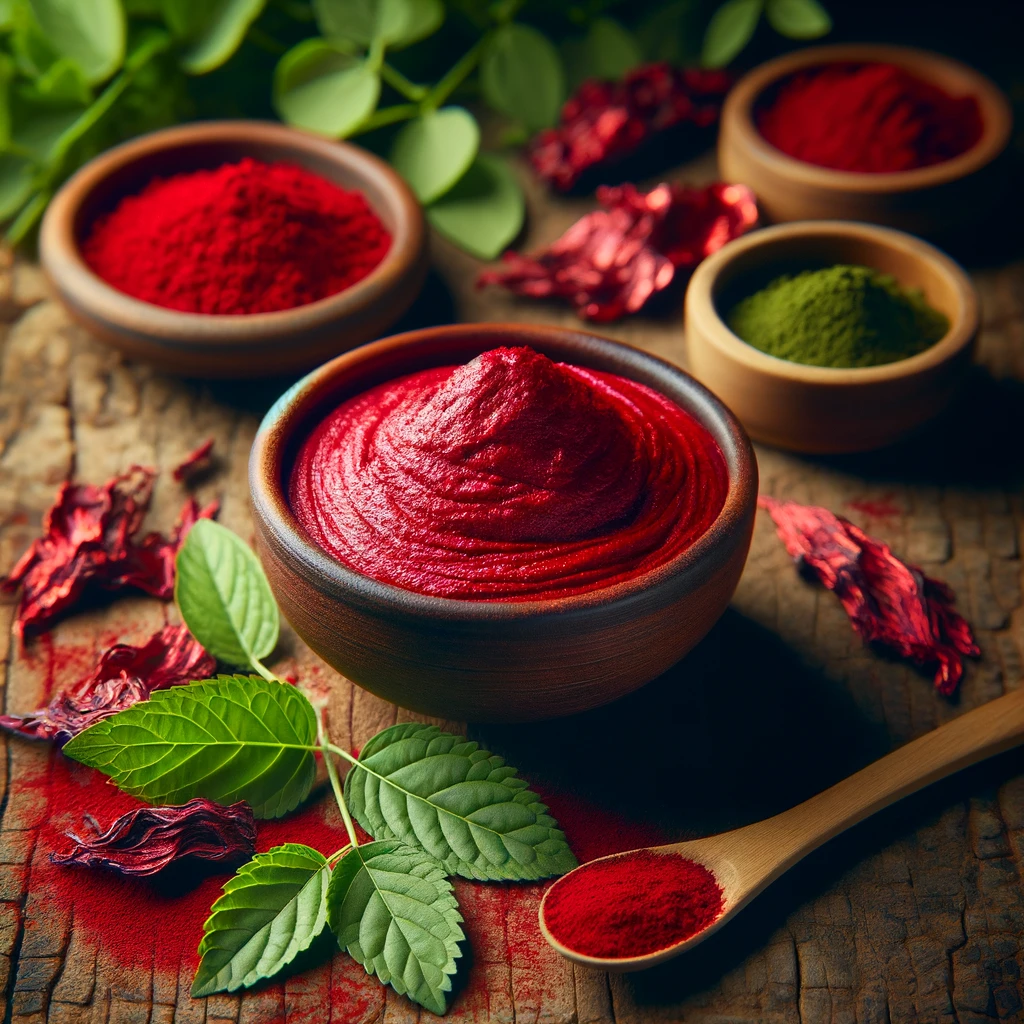
Filed Under: Hair Care Tagged With: antioxidant hair care, beauty tips, chemical-free hair dye, cloves for hair color, DIY hair coloring, eco-friendly hair coloring, hair care, hair care tips, henna hair dye, Homemade Hair Treatments, natural beauty solutions, natural hair dye

Achieving Rich Black Hair Naturally: A Dual Approach

May 23, 2024 by sharvayonibeauty Leave a Comment

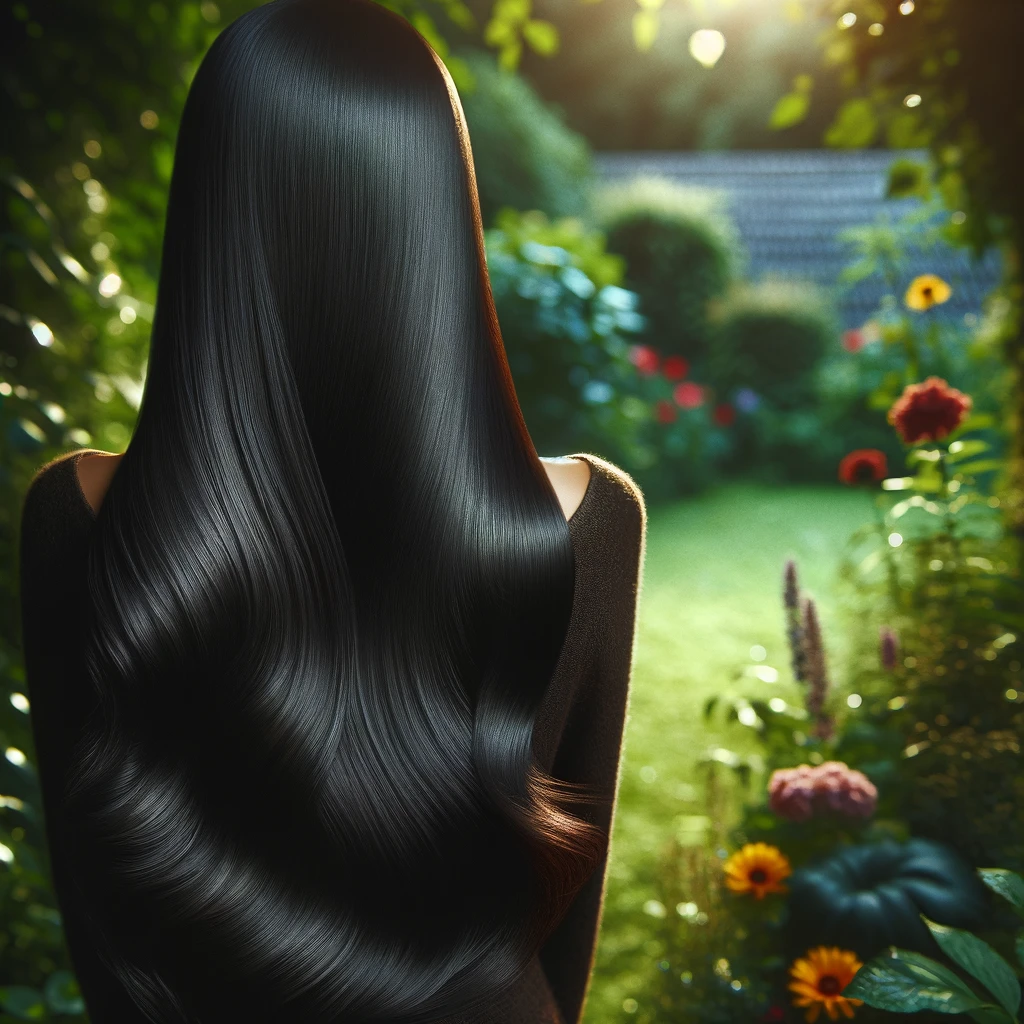
Transitioning to natural hair color solutions is not just a trend but a healthier choice for many. Among the options, black henna and the black walnut-black tea combination stand out for their effectiveness in achieving black hair. While black henna offers a straightforward method, the black walnut and black tea recipe provides a more traditional approach. Both recipes aim to deliver lasting color, enhance hair health, and minimize potential damage associated with synthetic dyes.

Recipe #1: Black Henna for Hair

Things Needed

  • 1 pack of black henna powder
  • Boiling water
  • Non-metallic mixing bowl
  • Gloves to prevent staining
  • Shower cap or plastic wrap
  • Hair conditioner

Steps to Prepare

  1. Boil Water: Start by boiling enough water to mix with the henna powder.
  2. Prepare Henna Mixture: Pour the boiling water into the black henna powder gradually, stirring until you achieve a smooth, consistent paste.
  3. Let it Cool: Allow the mixture to cool down to a comfortable temperature for application.

How to Apply

  • Apply to Hair: Wear gloves to avoid staining your hands and apply the henna mixture evenly to your hair, ensuring full coverage.
  • Cover and Wait: Cover your hair with a shower cap or plastic wrap and leave the mixture on for at least two hours for the color to develop fully.
  • Rinse and Condition: Rinse your hair thoroughly with water and follow up with a conditioner to moisturize.

Benefits

  • Natural coloring agent with minimal risk of damage
  • Conditions and strengthens hair
  • Long-lasting color

Precautions

  • Conduct a patch test to avoid allergic reactions.
  • Use gloves to prevent staining of hands.

Tips

  • Apply petroleum jelly around your hairline to prevent skin staining.
  • For deeper color, extend the duration before rinsing.

Recipe #2: Black Walnut and Black Tea for Hair

Things Needed

  • ¼ cup of black walnut powder
  • 3 black tea bags
  • 2 cups of water
  • Pot for boiling
  • Strainer or cheesecloth
  • Shower cap

Steps to Prepare

  1. Boil Black Tea: Boil the black tea bags in water for about 10 minutes.
  2. Mix with Black Walnut Powder: Remove the tea bags and pour the hot tea over the black walnut powder, stirring until well combined.

How to Apply

  • Apply to Wet Hair: After shampooing, apply the mixture to wet hair, ensuring even coverage.
  • Leave and Cover: Cover with a shower cap and leave the mixture on for a few hours to allow the color to penetrate.
  • Shampoo: Rinse out the mixture and shampoo your hair as usual.

Benefits

  • Provides a natural, dark tone to the hair
  • The tannins in black tea can add shine and enhance hair color
  • Black walnut is known for its strong natural dye properties

Precautions

  • Black walnut can stain skin and fabrics, so use gloves and old towels.
  • Conduct a patch test, especially if you have sensitive skin.

Tips

  • For a stronger color, you can leave the mixture on overnight.
  • Reapply every few weeks to maintain the color intensity.

Conclusion

Choosing a natural path to achieve black hair color offers not just a safer alternative to chemical dyes but also nourishes and enhances the health of your hair. Whether you prefer the simplicity of black henna or the traditional blend of black walnut and black tea, both recipes provide effective solutions to darkening your hair naturally. By following the detailed steps and tips provided, you can enjoy rich, vibrant black hair color, embracing the beauty of natural ingredients while maintaining the integrity of your hair’s health.

Filed Under: Hair Care Tagged With: beauty tips, black henna, black tea hair color, black walnut powder, chemical-free hair dye, DIY hair color, eco-friendly hair coloring, hair care, hair care tips, Homemade Hair Treatments, natural beauty solutions, natural hair dye

Crafting Reddish Hair Color Naturally: A Guide to Using Henna and Red Tea

May 18, 2024 by sharvayonibeauty Leave a Comment

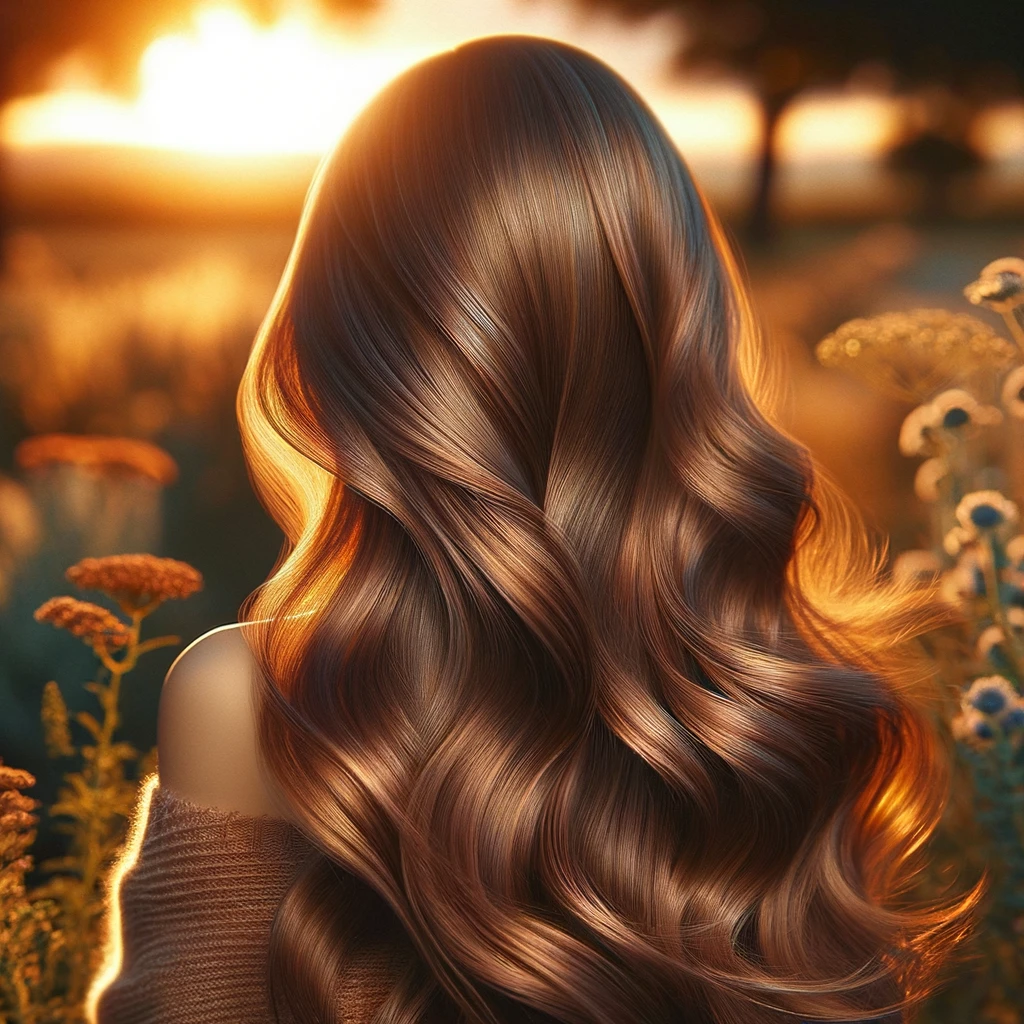
For centuries, henna has been celebrated for its ability to dye hair in a range of earthy tones, from reddish to deep brown, depending on the original hair color and the ingredients mixed with it. This recipe elevates the traditional henna application by incorporating red tea, enhancing the reddish tones and offering a unique hue that can captivate the eye. This guide aims to provide a comprehensive approach to using these natural ingredients to achieve a beautiful reddish hair color, suitable for anyone looking to explore the benefits of natural hair dye.

Things Needed

  • 1 cup of natural Indian or Egyptian henna powder
  • 4 tablespoons of red tea leaves
  • Hot water (enough to blend the mixture into a dough-like consistency)

Additional tools:

  • A non-metallic bowl for mixing
  • A spoon or spatula for stirring
  • A shower cap or plastic wrap
  • Gloves to protect your hands from staining
  • An applicator brush (optional for ease of application)

Steps to Prepare

  1. Boil the Red Tea: Begin by boiling the red tea leaves in water for a few minutes. This process extracts the color from the tea, creating a potent dye solution. After boiling, turn off the heat and allow the tea to steep for 5 to 10 minutes.
  2. Mix Henna and Tea: Gradually add the red tea solution to the henna powder in a non-metallic bowl. Stir continuously until the mixture achieves a smooth, dough-like consistency. If the mixture is too thick, add more tea; if too runny, add a bit more henna powder.
  3. Let the Mixture Rest: Allow the henna mixture to sit for an hour or so, enabling the dye to release. This step is crucial for achieving the full color potential of the henna.

How to Apply

  1. Section Your Hair: Divide your hair into small sections to ensure even application. Starting from the roots, apply the henna mixture generously using your hands (with gloves) or an applicator brush.
  2. Cover Your Head: Once all sections are covered, wrap your head with a shower cap or plastic wrap. This keeps the henna moist and warm, enhancing the dye’s ability to penetrate the hair shafts.
  3. Wait: Leave the henna in your hair for at least two hours. For a deeper color, you can extend this period up to four hours or more, depending on your preference.
  4. Rinse: Rinse your hair thoroughly with warm water until all the henna is washed out. Avoid using shampoo immediately after rinsing as it can strip the color. Instead, apply a moisturizing conditioner or a deep hair mask to nourish your hair.

Benefits

  • Natural Coloring: Henna provides a safer alternative to chemical hair dyes, minimizing the risk of allergic reactions and hair damage.
  • Conditioning: Henna naturally conditions your hair, leaving it soft, shiny, and manageable.
  • Scalp Health: The antimicrobial properties of henna help maintain scalp health, potentially reducing issues like dandruff.

Precautions

  • Allergy Test: Conduct a patch test before full application to ensure you’re not allergic to henna.
  • Color Variability: The final color can vary based on your original hair color, the henna’s quality, and how long you leave the mixture in your hair.

Tips

  • Use Fresh Ingredients: For the best results, ensure your henna powder and red tea are fresh and of high quality.
  • Heat the Mixture: Applying the mixture while it’s slightly warm can enhance the dye uptake.
  • Avoid Metal Utensils: Metal can react with henna, affecting the color outcome. Use plastic, glass, or ceramic bowls and spoons instead.

Conclusion

Embracing the natural route for hair coloring can be a rewarding and health-conscious choice. This recipe for achieving a reddish hair color with henna and red tea not only offers a vibrant hue but also nurtures your hair with natural conditioning properties. While the process might seem more labor-intensive than using boxed dyes, the benefits of minimized chemical exposure and enhanced hair health are compelling reasons to give it a try. By following this guide, you’re not just coloring your hair; you’re embracing a centuries-old tradition

of natural beauty care, tailored for the modern enthusiast.

Filed Under: Hair Care Tagged With: beauty tips, chemical-free hair dye, DIY hair dye, hair care, hair care tips, henna and red tea recipe, henna hair dye, natural beauty remedies, natural hair coloring, Organic Hair Care, red tea for hair, sustainable beauty

Anti-Dandruff Herbs Tonic: A Natural Scalp Treatment

May 9, 2024 by sharvayonibeauty Leave a Comment

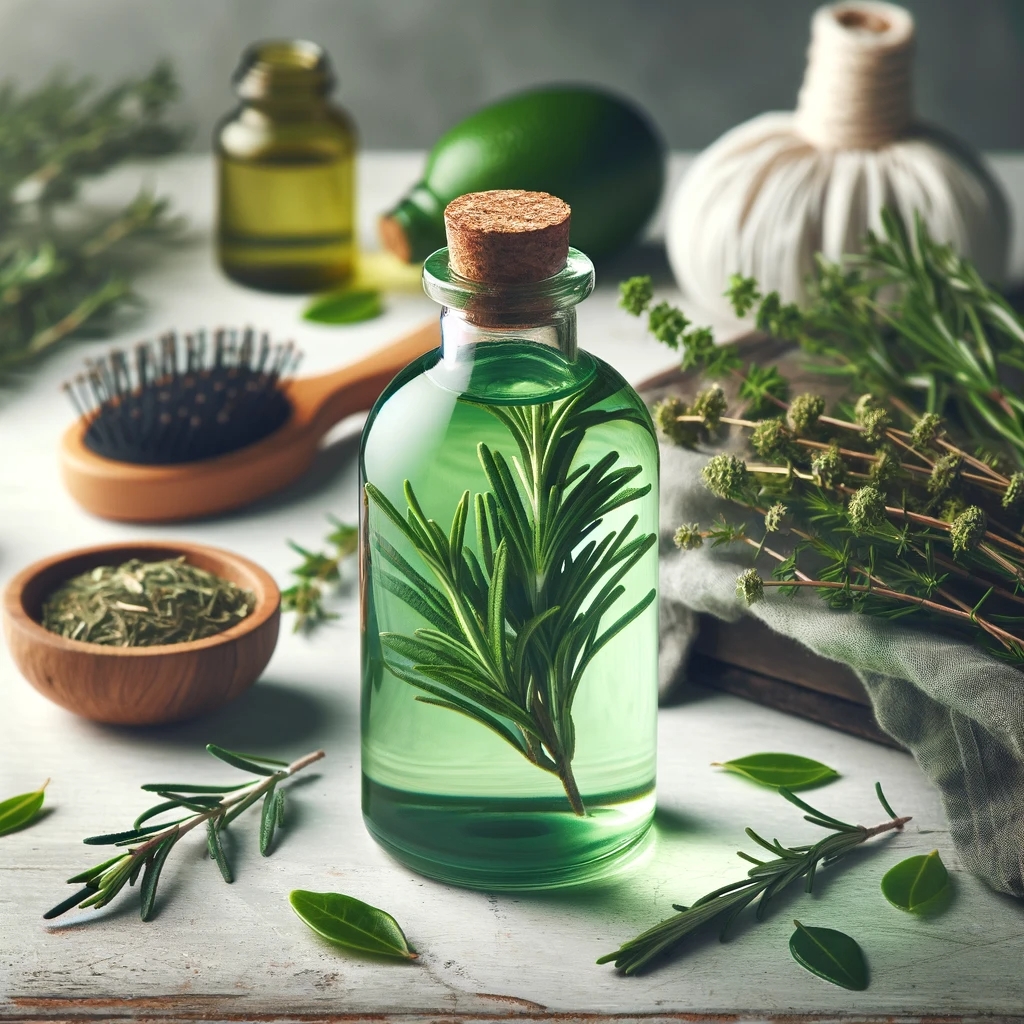
Dandruff is a common scalp condition that can be both irritating and embarrassing. While there are numerous commercial products available, natural remedies often offer a gentler and equally effective solution. An anti-dandruff herbs tonic, made from ingredients like rosemary, sage, and nettle, can be a powerful natural treatment. This article will guide you through the process of making and using this herbal tonic for a healthier scalp.

Understanding Dandruff and Natural Remedies

Dandruff is typically caused by dry skin, seborrheic dermatitis, or fungal growth on the scalp. Natural herbs like rosemary, sage, and nettle have properties that address these underlying causes and improve overall scalp health.

Things Needed

  • A handful of fresh rosemary.
  • 1 teaspoon of sage.
  • 1 teaspoon of nettle.
  • 1 cup of hot water.

Steps to Prepare

  1. Infusing Herbs: Pour the hot water over the rosemary, sage, and nettle in a bowl.
  2. Steeping: Allow the mixture to steep for 20 minutes.
  3. Cooling: Wait for the tonic to cool down to room temperature.

How to Apply

  • After shampooing your hair, apply the cooled herbal tonic to your clean and wet hair.
  • Ensure that the tonic covers your entire scalp and hair.
  • Leave the tonic in your hair for 30 minutes for maximum effectiveness.
  • Rinse your hair thoroughly with water.
  • Follow up with your regular moisturizing and styling routine.

Benefits

  • Rosemary: Known to soothe scalp soreness, stimulate hair growth, and reduce dandruff.
  • Sage: Helps in inhibiting premature graying and reduces hair loss.
  • Nettle: Renowned for its ability to reduce scalp inflammation and promote healthy hair growth.

Precautions

  • Ensure you are not allergic to any of the herbs used in the tonic.
  • Conduct a patch test if you have sensitive skin.

Tips for Enhanced Effectiveness

  • Use fresh herbs for more potent benefits.
  • Gently massage the tonic into your scalp to improve absorption and stimulate blood circulation.
  • Regularly use the tonic for sustained results.

Additional Insights: Holistic Approach to Scalp Care

A balanced diet and proper hydration complement the use of natural hair treatments, enhancing overall scalp and hair health.

Conclusion

This natural anti-dandruff herbs tonic offers an effective solution to combat dandruff and promote a healthy scalp. By incorporating this tonic into your hair care routine, you can experience reduced dandruff, soothed scalp soreness, and overall improved hair health. Natural remedies, coupled with good hair care practices, can lead to lasting benefits for your scalp and hair.

Filed Under: Hair Care Tagged With: anti-dandruff herbs tonic, beauty tips, dandruff solution, DIY dandruff remedy, hair care, hair care tips, Herbal Hair Care, Natural Hair Remedies, Natural Scalp Treatment, nettle uses, preventing gray hair, reducing hair loss, rosemary benefits, sage for hair, scalp health improvement, soothing scalp soreness

Shea Butter Moisturizer: A Natural Way to Nourish Your Hair

May 4, 2024 by sharvayonibeauty Leave a Comment

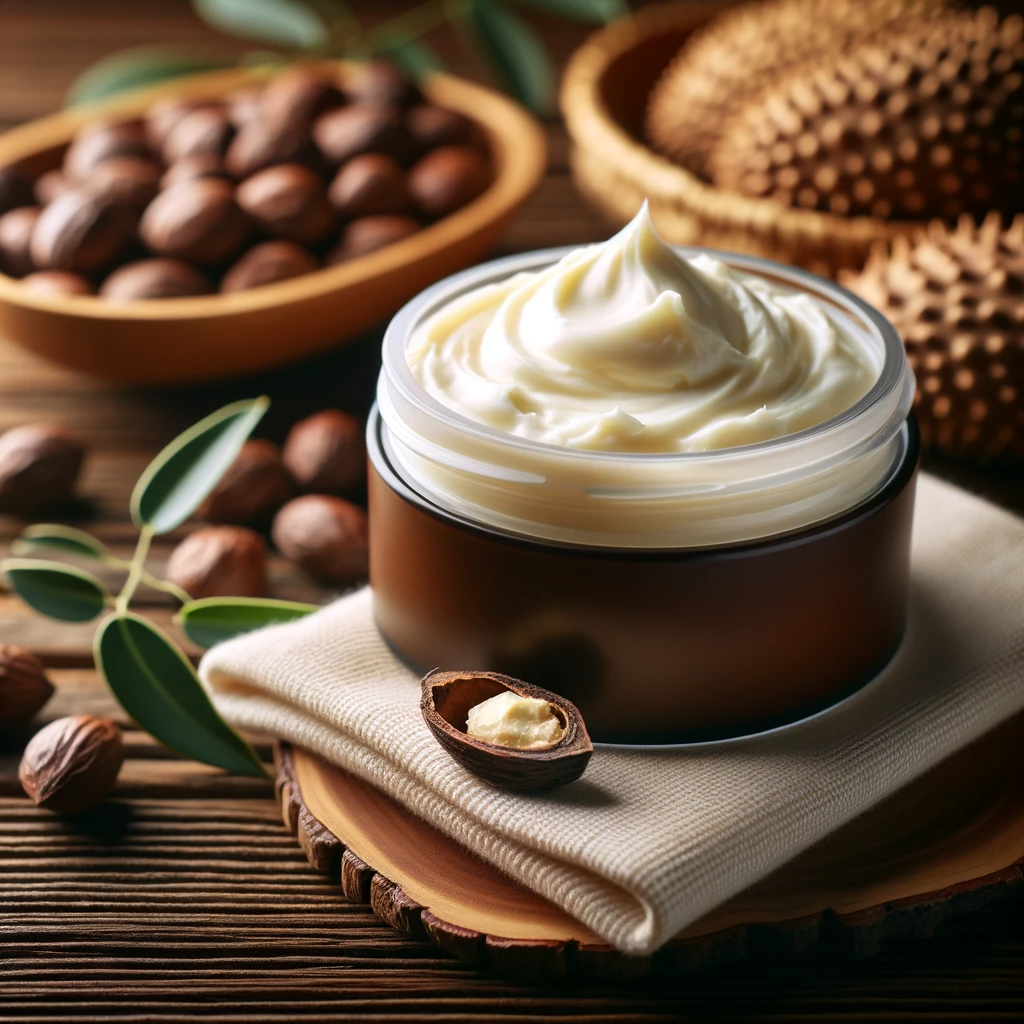
In the world of natural hair care, shea butter stands out as a versatile and beneficial ingredient. Known for its moisturizing properties, shea butter is an excellent choice for those seeking a natural method to keep their hair healthy and hydrated. This article will guide you through creating a shea butter moisturizer, enriched with aloe vera and olive oil, suitable for use as a cream or a leave-in conditioner.

The Benefits of Shea Butter in Hair Care

Shea butter is rich in vitamins and fatty acids, making it incredibly nourishing for hair. It helps control hair strands, protect against breakage, heat, dryness, and sun damage, and adds shine and moisture.

Things Needed

  • ½ cup of Aloe Vera gel (blended).
  • ¼ cup of raw Shea Butter.
  • ¼ cup of extra virgin olive oil.

Steps to Prepare

  1. Melting Shea Butter: Melt the Shea butter in the top of a double boiler until it becomes smooth.
  2. Combining Ingredients: Remove from heat, add the Aloe Vera gel and olive oil, and stir well.
  3. Storing: Transfer the mixture into a jar for easy use.

How to Apply

  • Apply the shea butter mixture to your hair as you would with any moisturizer or leave-in conditioner.
  • Focus on the ends of your hair, which are more prone to dryness and damage.
  • This cream does not leave hair greasy or oily, thanks to the inclusion of Aloe Vera gel.

Customizing the Cream

  • For a thicker consistency, reduce the amount of olive oil.
  • For a lighter texture, increase the amount of olive oil or replace it with other oils like Argan or Macadamia oil.

Benefits

  • Moisturizes Hair: Shea butter deeply nourishes and hydrates hair.
  • Adds Shine: Leaves hair shiny and lustrous.
  • Protects Hair: Shields hair from environmental damage and breakage.
  • Versatile Use: Can be used as a cream or leave-in conditioner.

Precautions

  • Perform a patch test to ensure you are not allergic to any of the ingredients.
  • Be cautious with the temperature when melting Shea butter to avoid burns.

Tips for Enhanced Effectiveness

  • Use organic, unrefined Shea butter for maximum benefits.
  • Apply the cream to damp hair for better absorption.
  • Store the cream in a cool, dry place to maintain its consistency.

Additional Insights: Holistic Hair Care

Incorporating natural ingredients like Shea butter into your hair care routine complements other hair health practices, such as a balanced diet and gentle hair styling.

Conclusion

Shea butter moisturizer, combined with Aloe Vera and olive oil, offers a natural and effective solution for maintaining healthy, hydrated hair. By customizing the consistency and ingredients according to your hair type and preference, you can enjoy the full benefits of this natural hair care treatment. Regular use will lead to stronger, shinier, and more nourished hair.

Filed Under: Hair Care Tagged With: Aloe Vera benefits, beauty tips, DIY Hair Treatment, hair care, hair care tips, Hair hydration, Hair Nourishment, Hair shine enhancement, Healthy Hair Solutions, Leave-in Conditioner, moisturizing hair cream, Natural hair care, Natural Hair Remedies, Olive Oil for Hair, preventing hair breakage, Shea Butter for Hair, shea butter moisturizer

  • Page 1
  • Page 2
  • Page 3
  • Interim pages omitted …
  • Page 5
  • Go to Next Page »

Primary Sidebar

Looking for something?

Connect with us online

  • Email
  • Facebook

Popular Posts!

Mint Leaves for Teeth Whitening: A Natural Remedy

Enhancing Your Hair Color Naturally: Roselle, Saffron, and Henna

Natural Face Pack to Reduce Wrinkles

Nourishing Avocado and Banana Hair Mask: A Natural Treat for Your Hair

Get Rid of Brown Hair Naturally using these Natural Remedies

Categories

  • Hair Care
  • Health and Wellness
  • Skin Care

Tags

beauty benefits beauty tips Chemical-Free Hair Care coconut oil curd curry leaves dark circles DIY Hair Care egg exfoliation eye care glowing skin hair care Hair Care Routine hair care tips hair growth Hair health Hair Health Improvement hair loss Hair Nourishment Hair Strengthening health and wellness honey hydration lemon lemon juice milk natural beauty natural conditioner natural face mask Natural hair care Natural Hair Growth Natural Hair Remedies natural ingredients natural remedies Natural remedy natural skincare olive oil radiant complexion radiant skin scalp health Scalp Nourishment skin care skincare skincare routine

© 2026 · Sharvayoni · Privacy Policy · Disclaimer