• Skip to main content
  • Skip to primary sidebar
  • HOME
  • SKIN CARE
  • HAIR CARE
  • HEALTH AND WELLNESS
  • CONTACT US

Sharvayoni

Unearth Nature's Magic - Your Path to Herbal Radiance and Wellnes

Herbal Hair Care

Ginkgo Biloba: The Ancient Secret for Hair Regrowth and Scalp Health

January 5, 2024 by sharvayonibeauty Leave a Comment

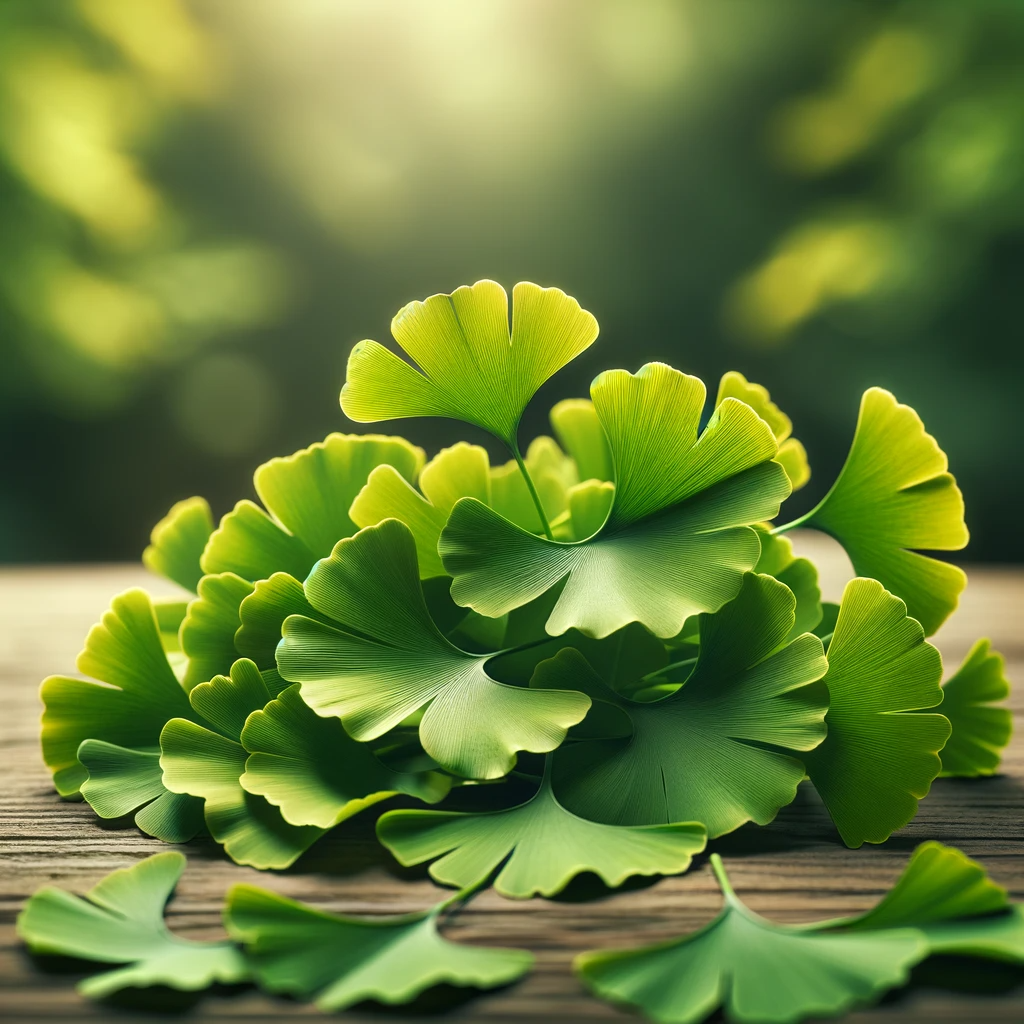
Ginkgo Biloba, a living fossil among trees, has been revered for centuries for its medicinal properties. Its ability to enhance blood circulation, particularly to the brain, has made it a subject of interest in various health disciplines. Recently, its benefits have extended into the world of hair care, particularly in addressing nutritional deficiencies in hair follicles and promoting hair regrowth. This ancient herb, when used as an oil, has shown remarkable effects in revitalizing the scalp and fostering healthy hair growth.

Things Needed

To leverage the benefits of Ginkgo Biloba for hair, you’ll need:

  1. Ginkgo Biloba Extract: Available in liquid form or as dried leaves.
  2. Carrier Oil: Such as coconut oil, jojoba oil, or almond oil, to dilute the Ginkgo Biloba extract.
  3. Glass Jar with a Tight Lid: For mixing and storing the oil.
  4. Dark, Cool Storage Space: To preserve the oil’s potency.
  5. Strainer or Cheesecloth: If using dried Ginkgo Biloba leaves.
  6. Small Mixing Bowl: For preparing the oil blend.

Steps to Prepare

Creating a Ginkgo Biloba hair treatment oil involves a few simple steps:

  1. Select the Carrier Oil: Choose a carrier oil that suits your hair type. Coconut oil works well for most hair types, offering additional benefits for hair health.
  2. Prepare the Ginkgo Biloba: If using liquid extract, measure the recommended amount (usually a few drops). If using dried leaves, grind them into a fine powder.
  3. Mix the Ingredients: In the mixing bowl, combine the Ginkgo Biloba with your chosen carrier oil. For liquid extract, use a few drops per tablespoon of carrier oil. For powdered leaves, use a ratio of one part powder to three parts oil.
  4. Infuse the Oil: If using powdered leaves, transfer the mixture to a glass jar and let it infuse for a couple of weeks in a dark, cool place. Shake the jar every few days to ensure proper infusion.
  5. Strain the Oil: If you’ve used powdered leaves, strain the oil using a cheesecloth or strainer to remove all solid particles.
  6. Store the Oil: Keep the final product in a glass jar, stored in a cool, dark place to maintain its efficacy.

Application

  • Apply to Scalp: Use your fingertips or a dropper to apply the oil directly onto the scalp, focusing on areas where hair is thinning.
  • Massage Gently: Massage the scalp for a few minutes to enhance blood circulation and absorption.
  • Leave it On: For optimal results, leave the oil on your scalp for at least an hour or overnight.
  • Wash Off: Rinse your hair thoroughly with a gentle shampoo.

Benefits

Ginkgo Biloba oil offers a plethora of benefits for the hair and scalp:

  1. Improves Scalp Circulation: Ginkgo Biloba enhances blood flow to the scalp, ensuring hair follicles receive necessary nutrients and oxygen.
  2. Promotes Hair Regrowth: By correcting nutritional deficiencies at the follicle level, it stimulates hair regrowth, particularly beneficial for those experiencing hair thinning or balding.
  3. Strengthens Hair Follicles: Enhanced nutrition and circulation strengthen hair at the roots, reducing hair fall.
  4. Nourishes the Scalp: A healthy scalp is essential for healthy hair growth, and Ginkgo Biloba helps in maintaining scalp health.
  5. Antioxidant Properties: Ginkgo Biloba’s rich antioxidant content helps in protecting the scalp and hair from environmental damage.
  6. Natural Remedy: As a natural product, it’s a safer alternative to chemical treatments, suitable for all hair types.
  7. Versatile Use: Ginkgo Biloba oil can be mixed with other beneficial oils for added advantages, such as rosemary or peppermint oil.

Conclusion

Ginkgo Biloba, an ancient herb known for its remarkable medicinal properties, is proving to be a valuable asset in the world of hair care. Its ability to improve blood circulation and correct nutritional deficiencies makes it an effective solution for promoting hair regrowth and maintaining scalp health. By incorporating Ginkgo Biloba oil into your regular hair care regimen, you can experience a natural and effective path to healthier, stronger, and more vibrant hair. Remember to always conduct a patch test before applying new substances to your scalp and consult with a healthcare provider if you have underlying skin or scalp conditions. Embrace the power of this ancient herb and witness the transformation in your hair’s health and appearance.
Filed Under: Hair Care Tagged With: Antioxidant Benefits for Hair, beauty tips, DIY Hair Oil, Ginkgo Biloba for Hair, hair care, Hair Follicle Strengthening, Hair Regrowth, Herbal Hair Care, Herbal Hair Remedies, Natural Hair Growth, Nourishing Scalp Treatment, Scalp Circulation

Lavender and Its Companions: A Herbal Elixir for Hair Revitalization

January 4, 2024 by sharvayonibeauty Leave a Comment

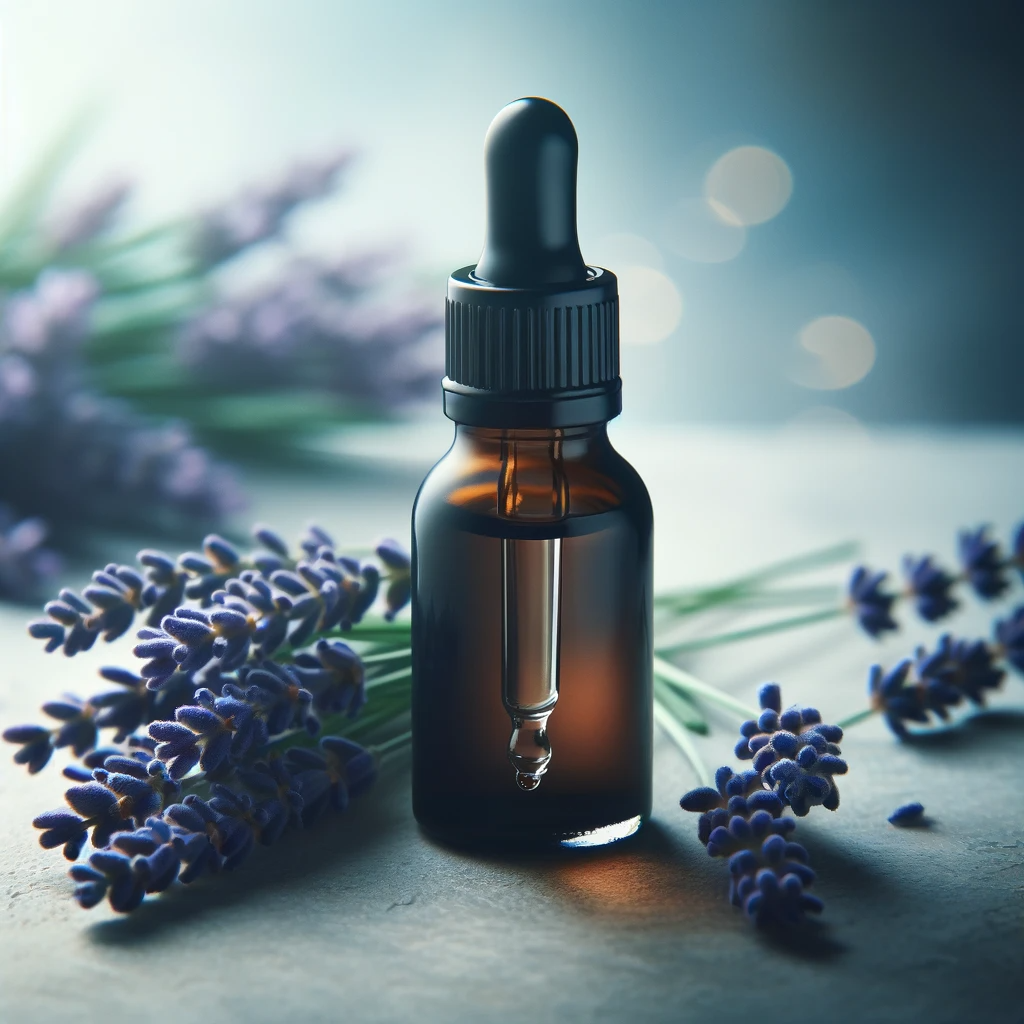
Lavender, renowned for its captivating fragrance and soothing properties, is more than just an aromatic herb. It holds a prominent place in the realm of hair care, thanks to its potent properties that boost hair growth and combat baldness. Its antibacterial qualities make it an excellent remedy for various scalp issues, including dandruff, dryness, and flakiness. When combined with rosemary, basil, and jojoba oils, lavender creates a synergistic blend that not only prevents hair loss but also encourages hair regrowth, offering a holistic approach to maintaining healthy hair.

Things Needed

To leverage the hair-nurturing benefits of lavender and its companion oils, you will need:

  1. Lavender Oil: The primary ingredient known for stimulating hair growth.
  2. Rosemary Oil: Enhances circulation and hair growth.
  3. Basil Oil: Promotes scalp health and hair strength.
  4. Jojoba Oil: Acts as a carrier oil and provides hydration.
  5. Measuring Dropper: For precise measurement of the oils.
  6. Small Mixing Bottle: To blend and store the oil mixture.
  7. Dark, Cool Storage Space: To preserve the oil’s efficacy.

Steps to Prepare

Creating this powerful hair growth oil blend involves a simple process:

  1. Measure the Oils: Using the dropper, measure 10 drops each of lavender and rosemary oils, 5 drops of basil oil, and 4 drops of jojoba oil.
  2. Blend the Oils: In the small mixing bottle, combine the measured oils. Shake the bottle gently to ensure the oils are thoroughly mixed.
  3. Store Properly: Keep the bottle in a dark, cool place to maintain the potency of the oils.

Application

  • Apply to Scalp: Using the dropper, apply the oil mixture directly onto the scalp, focusing on areas with thinning hair or baldness.
  • Massage Gently: Massage the oil into the scalp for several minutes. This helps in improving blood circulation and ensures better absorption of the oils.
  • Leave it On: Allow the oil to sit for at least an hour or overnight for deeper nourishment.
  • Rinse Thoroughly: Wash your hair with a mild shampoo to remove the oil.

Benefits

The combination of lavender, rosemary, basil, and jojoba oils offers a multitude of benefits for hair and scalp health:

  1. Stimulates Hair Growth: Lavender and rosemary oils are known to improve blood circulation to the scalp, promoting hair growth and reducing baldness.
  2. Antibacterial and Healing Properties: Lavender oil soothes skin irritations and infections on the scalp, effectively treating conditions like dandruff and flakiness.
  3. Strengthens Hair: Basil oil is beneficial for strengthening the hair from the roots, thereby reducing hair fall.
  4. Moisturizes Scalp and Hair: Jojoba oil, being similar to the scalp’s natural oils, hydrates the scalp and hair, preventing dryness.
  5. Prevents Hair Loss: Regular use of this oil blend helps in preventing hair loss and promotes the regrowth of hair.
  6. Natural and Safe: This blend is a natural and safe alternative to chemical treatments, suitable for all hair types.
  7. Enhances Scalp Health: The combined effect of these oils creates a healthy scalp environment, crucial for healthy hair growth.
  8. Aromatic Therapy: The soothing aroma of lavender provides a calming effect, making the application a relaxing experience.

Conclusion

The lavender-based hair oil blend, enriched with rosemary, basil, and jojoba oils, is a potent natural remedy for enhancing hair health. Its multifaceted benefits address various hair concerns, making it an ideal solution for those seeking to revitalize their hair naturally. Incorporating this oil blend into your regular hair care routine can lead to significant improvements in hair growth, scalp health, and overall hair quality. As with any natural remedy, it’s advisable to perform a patch test first and consult a healthcare provider for any underlying scalp or hair conditions. Embrace this aromatic and therapeutic journey to healthier, fuller hair with the magic of lavender and its companions.

Filed Under: Hair Care Tagged With: Basil Oil for Hair Strength, beauty tips, DIY Hair Remedies, Essential Oils for Baldness, hair care, Herbal Hair Care, Jojoba Oil Hydration, lavender oil for hair, Natural Hair Growth, Rosemary Oil Benefits, scalp health, Soothing Scalp Treatment

Aloe Vera and Coconut Milk: A Natural Duo for Hair Revitalization

January 2, 2024 by sharvayonibeauty Leave a Comment

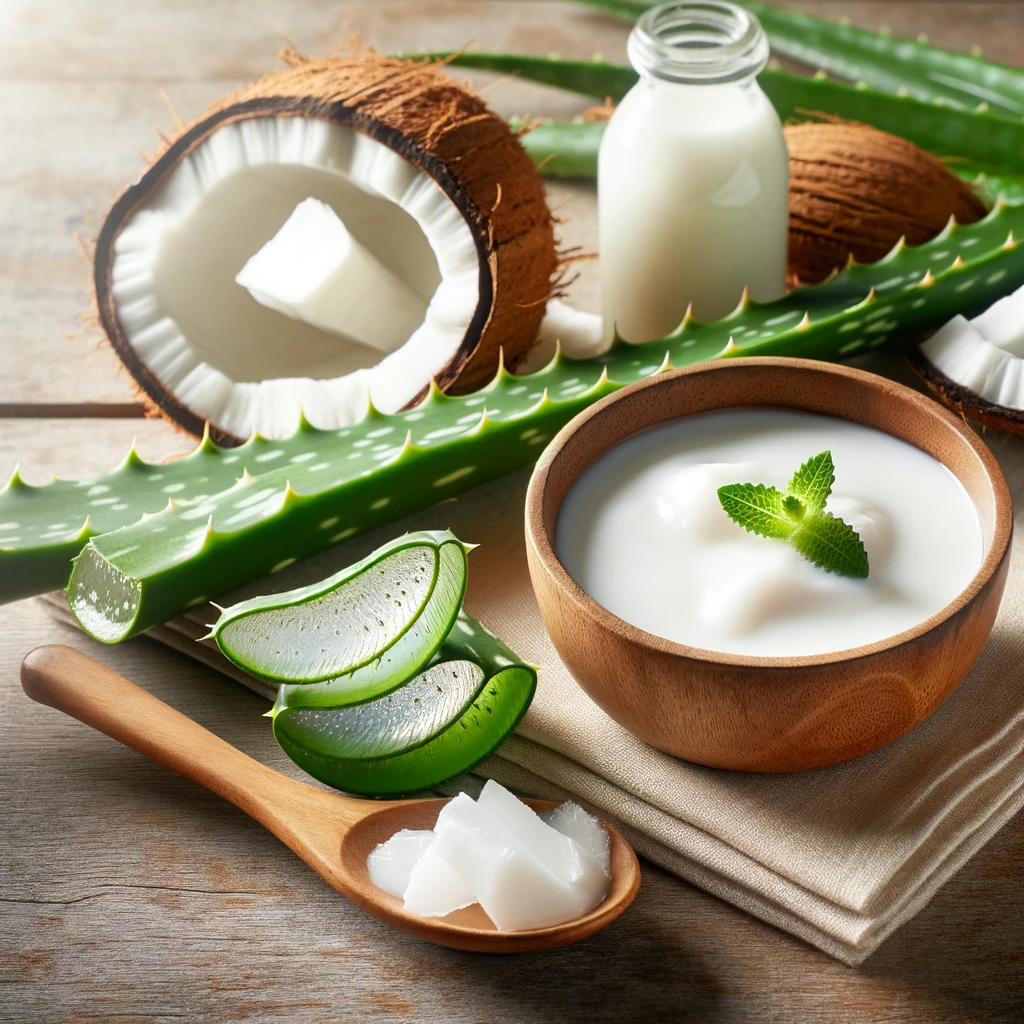
In the realm of natural hair care, Aloe Vera stands as a beacon of hope for those struggling with hair loss and scalp health issues. Known for its soothing properties and rich nutritional content, Aloe Vera has been used for centuries in various cultures for promoting hair health. When combined with coconut milk, known for its hydrating and strengthening qualities, it forms a powerful duo that not only stimulates hair growth but also maintains the overall health of the scalp and hair.

Things Needed

To harness the benefits of Aloe Vera and coconut milk for your hair, you need:

  1. Fresh Aloe Vera Gel: Extracted from the leaves of the Aloe Vera plant.
  2. Coconut Milk: Can be homemade or purchased, but ensure it’s pure and free from additives.
  3. Mixing Bowl: For blending the ingredients.
  4. Spoon or Whisk: To mix the ingredients thoroughly.
  5. Strainer: If using homemade coconut milk, to remove any chunks.
  6. Application Brush or Bottle: For easy application to the scalp and hair.
  7. Shower Cap or Towel: To cover hair during the treatment.

Steps to Prepare

Creating an Aloe Vera and coconut milk hair treatment is simple:

  1. Extract Aloe Vera Gel: Slice an Aloe Vera leaf and scoop out the gel with a spoon. For one application, about two tablespoons of gel should suffice.
  2. Prepare Coconut Milk: If you’re using homemade coconut milk, blend coconut flesh with water and strain. For the hair mask, you need about half a cup.
  3. Blend the Ingredients: In a mixing bowl, combine the Aloe Vera gel with the coconut milk. Stir or whisk until you achieve a smooth, creamy consistency.
  4. Optional Additions: For extra nourishment, you can add a few drops of essential oils like lavender or rosemary.
  5. Store the Mixture: If not using immediately, store the mixture in the refrigerator in an airtight container for up to a week.

Application

  • Apply to Scalp and Hair: Use the application brush or your fingers to apply the mixture to your scalp and hair. Ensure that the scalp is thoroughly covered.
  • Massage Gently: Massage the mixture into your scalp for a few minutes to enhance blood circulation.
  • Cover Your Hair: Use a shower cap or a warm towel to cover your hair. This traps heat, aiding the penetration of the nutrients.
  • Leave it On: Let the treatment sit for at least 30 minutes or up to an hour for deep conditioning.
  • Rinse Thoroughly: Wash your hair with a mild shampoo and follow with a conditioner, if desired.

Benefits

The combination of Aloe Vera and coconut milk offers a multitude of benefits for hair health:

  1. Promotes Hair Growth: Aloe Vera improves blood circulation to the scalp, which stimulates the growth of new hair follicles.
  2. Balances pH Levels: The natural pH of Aloe Vera helps maintain the pH balance of the hair and scalp, creating a healthy environment for hair growth.
  3. Opens Blocked Pores: Aloe Vera effectively cleanses the scalp, opening up blocked pores and allowing hair follicles to breathe.
  4. Strengthens Hair: Coconut milk is rich in vitamins and fatty acids that strengthen the hair from the roots, reducing breakage and hair loss.
  5. Deeply Moisturizes: Both Aloe Vera and coconut milk are excellent natural moisturizers, keeping the hair hydrated and preventing dryness and frizz.
  6. Soothes the Scalp: The cooling effect of Aloe Vera soothes irritation and itchiness on the scalp, making it ideal for sensitive or inflamed scalps.
  7. Natural and Safe: This combination is free from harsh chemicals, making it safe for all hair types and frequent use.
  8. Adds Shine and Softness: Regular use leaves hair soft, shiny, and manageable.

Conclusion

The natural synergy of Aloe Vera and coconut milk creates a potent remedy for those seeking to improve their hair health naturally. This easy-to-make, cost-effective solution addresses a range of hair issues from hair loss to scalp health, offering a holistic approach to hair care. Incorporating this treatment into your regular hair care routine can lead to visibly healthier, stronger, and more vibrant hair. As with any natural remedy, it’s advisable to do a patch test first and consult a healthcare provider for any underlying scalp or hair conditions. Embrace the power of nature with Aloe Vera and coconut milk for a transformative hair care experience.

Filed Under: Hair Care Tagged With: Aloe Vera for Hair, beauty tips, Coconut Milk Hair Treatment, DIY Hair Remedies, hair care, Hair pH Balance, Herbal Hair Care, Moisturizing Hair Treatments, Natural Hair Growth, Preventing Hair Loss, Scalp Nourishment, Soothing Scalp Care

Rosemary and Olive Oil: A Timeless Remedy for Luscious Hair

December 31, 2023 by sharvayonibeauty Leave a Comment

In the realm of natural hair care, rosemary stands out as a historical and effective solution for various hair concerns. Revered for centuries, this aromatic herb is not just a culinary staple but a powerful tool against hair loss, thinning, and balding. When paired with the nourishing goodness of olive oil, rosemary transforms into a potent elixir that promotes scalp health and hair growth. This combination has been a secret to maintaining healthy, vibrant hair for generations.

Things Needed

To create this age-old hair remedy, you need a few simple ingredients:

  1. Fresh or Dried Rosemary Leaves: Known for their hair rejuvenating properties.
  2. Olive Oil: Acts as a carrier oil, rich in antioxidants and hydrating properties.
  3. Glass Jar with a Tight Lid: Essential for infusing the oil.
  4. Strainer or Cheesecloth: For separating the infused oil from the leaves.
  5. Dark, Cool Storage Space: To store the oil while it infuses and after preparation.

Steps to Prepare

Creating your rosemary-infused olive oil is a straightforward process:

  1. Gather Rosemary: You can use either fresh or dried rosemary leaves. Fresh rosemary is more potent but dried rosemary is easier to source and store.
  2. Prepare the Jar: Fill your glass jar with rosemary leaves. There’s no strict measurement, but ensure there’s ample room for olive oil.
  3. Add Olive Oil: Pour olive oil into the jar, covering the rosemary leaves completely. Olive oil not only extracts the beneficial properties of rosemary but also nourishes the hair and scalp on its own.
  4. Seal and Store the Jar: Securely close the jar and store it in a dark, cool place. This protects the oil from light and heat, which can degrade its quality.
  5. Wait and Shake: Let the mixture sit for at least two to three weeks, shaking it occasionally to help the infusion process.
  6. Strain the Oil: After the infusion period, strain the oil using a strainer or cheesecloth to remove all plant material.
  7. Store the Infused Oil: Transfer the oil into a clean bottle or container for easy use.

Application

  • Direct Scalp Massage: Apply the oil directly to your scalp, massaging it in to stimulate circulation. This helps the nutrients penetrate deep into the hair follicles.
  • Regular Use: Consistent application is key. Use it at least once a week for noticeable results.

Benefits

The combination of rosemary and olive oil offers numerous benefits for hair health:

  1. Promotes Hair Growth: Rosemary improves blood circulation to the scalp, encouraging hair growth and revitalizing hair follicles.
  2. Prevents Hair Thinning and Balding: Regular use strengthens hair from the roots, reducing hair fall and thinning.
  3. Delays Premature Graying: The antioxidant properties of rosemary help in preserving the natural color of your hair, delaying the onset of grays.
  4. Treats Scalp Issues: It’s effective against dry, flaky scalp conditions, providing essential moisture and nutrients.
  5. Strengthens Hair: Rosemary and olive oil together nourish and fortify hair right from the shaft, resulting in stronger, healthier hair.
  6. Safe and Natural: Being an all-natural remedy, it’s a safer alternative to chemical treatments, suitable for all hair types.

Conclusion

The rosemary and olive oil remedy is a testament to the enduring power of natural ingredients in hair care. This easy-to-make, cost-effective solution not only combats common hair issues but also nurtures your hair, leaving it strong, healthy, and vibrant. Embrace this timeless natural remedy and witness the transformation in your hair’s health and appearance. As always, it’s advisable to do a patch test to ensure you have no allergies to the ingredients and consult a healthcare provider for any underlying scalp conditions. Let nature’s magic work wonders on your hair with rosemary and olive oil.

Filed Under: Hair Care Tagged With: beauty tips, DIY Hair Oil, hair care, Hair Growth Remedies, Hair Loss Solutions, Herbal Hair Care, Natural hair care, Olive Oil for Hair, Preventing Graying Hair, Rosemary Hair Treatment, scalp health, Stronger Hair

Harnessing the Power of Stinging Nettle for Hair Growth

December 31, 2023 by sharvayonibeauty Leave a Comment

In the quest for natural remedies for hair growth and hair loss prevention, one often overlooks the treasures hidden in nature. Among these, the stinging nettle, scientifically known as Urtica Diocia, emerges as a potent solution. This plant, commonly found in North America, has been a part of traditional medicine for centuries, revered for its numerous health benefits. Notably, its efficacy in promoting hair growth and preventing hair loss has garnered significant attention in recent times.

Things Needed

To harness the benefits of stinging nettle for hair growth, a simple set of ingredients and tools are required:

  1. Stinging Nettle Leaves: Fresh or dried, these are the primary ingredient.
  2. Olive Oil: Acts as a carrier oil, facilitating the infusion of stinging nettle benefits.
  3. Glass Jar with a Tight Lid: Essential for the infusion process.
  4. Cool, Dark Place: For storing the mixture, such as a cupboard or pantry.
  5. Strainer or Cheesecloth: For separating the oil from the leaves after infusion.

Steps to Prepare

Creating your stinging nettle hair growth oil involves a straightforward infusion process. Here’s how you can do it:

  1. Collect Stinging Nettle Leaves: If using fresh leaves, ensure they are clean and dry. Dried leaves are also an excellent option.
  2. Prepare the Jar: Fill the glass jar with the stinging nettle leaves. The quantity doesn’t have to be exact, but ensure there’s enough room left for the olive oil.
  3. Add Olive Oil: Pour olive oil into the jar, completely submerging the stinging nettle leaves. This oil serves as the base for the infusion, extracting the nutrients from the leaves.
  4. Seal and Store the Jar: Tightly seal the jar to prevent any contaminants from entering. Place it in a cool, dark place, away from direct sunlight. This is crucial as light and heat can degrade the quality of the oil.
  5. Wait for Three Weeks: Patience is key. Allow the mixture to infuse for about three weeks. During this time, the olive oil will slowly absorb the essence and nutrients of the stinging nettle leaves.
  6. Strain the Oil: After three weeks, use a strainer or cheesecloth to separate the oil from the leaves. Ensure all plant matter is removed to avoid any scalp irritation.
  7. Store the Infused Oil: Transfer the strained oil into a clean bottle or jar for easy application.

Application

  • Direct Application: Apply the oil directly to the scalp and hair. Massage gently to ensure the scalp is well-coated. This stimulates blood flow and aids in the absorption of the oil’s nutrients.
  • Regular Use: For best results, use the oil regularly. Consistency is key in witnessing visible improvements in hair growth and quality.

Benefits

The use of stinging nettle for hair growth is backed by its rich nutritional profile and specific mechanisms:

  1. Rich in Nutrients: Stinging nettle is packed with vitamins A, C, K, and several B vitamins, along with minerals like iron, magnesium, and omega-3 fatty acids. These nutrients are essential for healthy hair growth.
  2. DHT Blocker: One of the primary causes of hair loss, especially in men, is the conversion of testosterone into dihydrotestosterone (DHT). Stinging nettle helps in preventing this conversion, effectively reducing hair loss.
  3. Scalp Health: The anti-inflammatory and antimicrobial properties of stinging nettle help in maintaining scalp health, reducing issues like dandruff and scalp irritation.
  4. Natural Conditioner: When used regularly, stinging nettle oil can impart a natural shine and softness to the hair, acting as a conditioner.
  5. Stimulates Hair Follicles: The oil’s nutrients and its massaging application stimulate hair follicles, promoting healthier and faster hair growth.
  6. Safe and Natural: Being a natural remedy, stinging nettle oil is generally safe for most people and is a great alternative to chemical-laden hair care products.

Conclusion

Stinging nettle, with its rich composition and hair growth-promoting properties, is a remarkable natural remedy for those struggling with hair loss and seeking healthier hair. By following the simple steps of infusing stinging nettle in olive oil, you can create a potent hair growth elixir. Regular use of this homemade oil can lead to visible improvements, making your hair journey both natural and effective. As with any natural remedy, it’s always advisable to conduct a patch test to rule out any allergic reactions and consult a healthcare provider if you have any underlying health conditions. Embrace the power of nature with stinging nettle, and let your hair flourish.

Filed Under: Hair Care Tagged With: beauty tips, DIY Hair Oil, hair care, hair growth, Hair Loss Prevention, Herbal Hair Care, natural remedies, Nutrient-Rich Hair Treatment, Olive Oil for Hair, scalp health, Stinging Nettle, Urtica Diocia

  • « Go to Previous Page
  • Page 1
  • Page 2

Primary Sidebar

Looking for something?

Connect with us online

  • Email
  • Facebook

Popular Posts!

Cucumber Slices for the Eye care

skin-care-Slider1

Natural Radiance: Homemade Face Masks for Glowing and Hydrated Skin

Rediscover Radiant Eyes: Potato, Rose Petals, and More for Dark Circles

DIY Coconut/Honey Cooling Hair Mask: A Natural Solution for Hair Health

Scalp Massage using Amla juice

Categories

  • Hair Care
  • Health and Wellness
  • Skin Care

Tags

beauty benefits beauty tips Chemical-Free Hair Care coconut oil curd curry leaves dark circles DIY Hair Care egg exfoliation eye care glowing skin hair care Hair Care Routine hair care tips hair growth Hair health Hair Health Improvement hair loss Hair Nourishment Hair Strengthening health and wellness honey hydration lemon lemon juice milk natural beauty natural conditioner natural face mask Natural hair care Natural Hair Growth Natural Hair Remedies natural ingredients natural remedies Natural remedy natural skincare olive oil radiant complexion radiant skin scalp health Scalp Nourishment skin care skincare skincare routine

© 2026 · Sharvayoni · Privacy Policy · Disclaimer