• Skip to main content
  • Skip to primary sidebar
  • HOME
  • SKIN CARE
  • HAIR CARE
  • HEALTH AND WELLNESS
  • CONTACT US

Sharvayoni

Unearth Nature's Magic - Your Path to Herbal Radiance and Wellnes

chemical-free hair dye

Crafting a Natural Hair Color with Cloves: A Versatile Approach

May 24, 2024 by sharvayonibeauty Leave a Comment

The natural hair color movement seeks alternatives to chemical dyes that can offer color enhancement without compromising hair health. Cloves, with their rich antioxidant and color-enhancing properties, present an intriguing option. Whether used alone or mixed with henna, cloves can impart a warm, subtle tone to the hair, making it a perfect solution for those looking for a gentle color boost or to cover up grays naturally.

Things Needed

  • 15 clove sticks
  • 1 ½ cups of warm water
  • 1 cup of red henna (optional)
  • A pot for warming water
  • A strainer
  • A bowl for mixing
  • Gloves (if using henna)
  • A shower cap (if using henna)

Steps to Prepare

Clove Water Preparation

  1. Warm the Water: Begin by warming 1 ½ cups of water in a pot and add the clove sticks. Allow the mixture to simmer for 20-30 minutes. This process extracts the essence and color of the cloves.
  2. Cool and Strain: After simmering, remove the pot from the heat and let the clove water cool to a comfortable temperature. Strain the mixture to remove the clove sticks, retaining the infused water for application.

Clove-Henna Mixture Preparation

  1. Prepare Clove Water: Follow the same steps as above to prepare your clove-infused water.
  2. Mix with Henna: In a separate bowl, gradually add the clove water to 1 cup of red henna, stirring continuously until you achieve a smooth, consistent paste. Allow the mixture to sit for an hour to enhance the dye release from the henna.

How to Apply

Clove Water Application

  • Apply After Shampooing: After shampooing and conditioning your hair, rinse it thoroughly and apply the clove water. Gently massage it into your scalp and hair, ensuring even coverage.

Clove-Henna Mixture Application

  • Apply to Clean Hair: With gloves on to avoid staining your hands, apply the clove-henna mixture to your hair. Use a brush or your fingers to ensure the mixture covers all strands evenly.
  • Cover and Wait: Wrap your hair with a shower cap and wait for 1-3 hours, depending on the desired intensity of the color.
  • Rinse: Rinse your hair thoroughly with water until it runs clear. Avoid shampooing immediately to allow the color to set.

Benefits

  • Natural Coloring: Both methods provide a natural way to enhance hair color, with cloves offering a subtle tint and henna a more pronounced hue.
  • Antioxidant Properties: Cloves are rich in antioxidants, which can help protect the scalp and hair from environmental damage.
  • Conditioning: Henna naturally conditions hair, leaving it smoother and stronger.

Precautions

  • Allergy Test: Conduct a patch test, especially if you’re using henna, to ensure you don’t have an allergic reaction.
  • Stain Prevention: Wear old clothes and use gloves when handling henna to avoid stains.

Tips

  • Enhance Color: For a stronger color payoff, consider increasing the simmering time of cloves in water.
  • Maintenance: Reapply the treatment every 2-4 weeks to maintain color intensity and cover new growth.
  • Hydration: Follow up with a deep conditioner or hair mask to keep your hair hydrated, especially if using the henna mixture.

Conclusion

Using cloves for natural hair coloring offers a versatile and health-conscious alternative to traditional dyes. Whether you’re seeking a slight tint or a deeper color transformation by incorporating henna, this method respects the integrity of your hair while providing the benefits of natural ingredients. By embracing the warmth and richness of cloves, individuals can enjoy a subtle enhancement to their natural hair color, along with the therapeutic benefits that come from using spices in beauty treatments.
Filed Under: Hair Care Tagged With: antioxidant hair care, beauty tips, chemical-free hair dye, cloves for hair color, DIY hair coloring, eco-friendly hair coloring, hair care, hair care tips, henna hair dye, Homemade Hair Treatments, natural beauty solutions, natural hair dye

Achieving Rich Black Hair Naturally: A Dual Approach

May 23, 2024 by sharvayonibeauty Leave a Comment

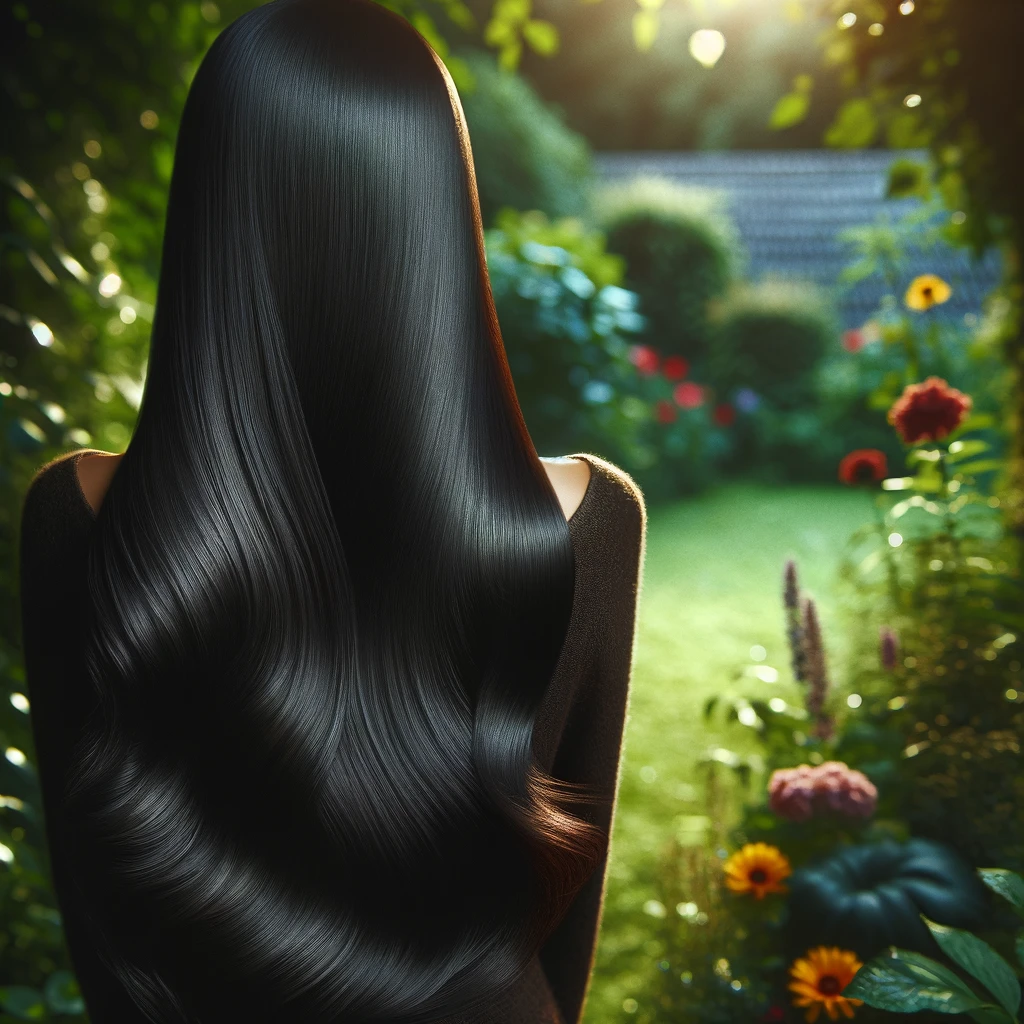
Transitioning to natural hair color solutions is not just a trend but a healthier choice for many. Among the options, black henna and the black walnut-black tea combination stand out for their effectiveness in achieving black hair. While black henna offers a straightforward method, the black walnut and black tea recipe provides a more traditional approach. Both recipes aim to deliver lasting color, enhance hair health, and minimize potential damage associated with synthetic dyes.

Recipe #1: Black Henna for Hair

Things Needed

  • 1 pack of black henna powder
  • Boiling water
  • Non-metallic mixing bowl
  • Gloves to prevent staining
  • Shower cap or plastic wrap
  • Hair conditioner

Steps to Prepare

  1. Boil Water: Start by boiling enough water to mix with the henna powder.
  2. Prepare Henna Mixture: Pour the boiling water into the black henna powder gradually, stirring until you achieve a smooth, consistent paste.
  3. Let it Cool: Allow the mixture to cool down to a comfortable temperature for application.

How to Apply

  • Apply to Hair: Wear gloves to avoid staining your hands and apply the henna mixture evenly to your hair, ensuring full coverage.
  • Cover and Wait: Cover your hair with a shower cap or plastic wrap and leave the mixture on for at least two hours for the color to develop fully.
  • Rinse and Condition: Rinse your hair thoroughly with water and follow up with a conditioner to moisturize.

Benefits

  • Natural coloring agent with minimal risk of damage
  • Conditions and strengthens hair
  • Long-lasting color

Precautions

  • Conduct a patch test to avoid allergic reactions.
  • Use gloves to prevent staining of hands.

Tips

  • Apply petroleum jelly around your hairline to prevent skin staining.
  • For deeper color, extend the duration before rinsing.

Recipe #2: Black Walnut and Black Tea for Hair

Things Needed

  • ¼ cup of black walnut powder
  • 3 black tea bags
  • 2 cups of water
  • Pot for boiling
  • Strainer or cheesecloth
  • Shower cap

Steps to Prepare

  1. Boil Black Tea: Boil the black tea bags in water for about 10 minutes.
  2. Mix with Black Walnut Powder: Remove the tea bags and pour the hot tea over the black walnut powder, stirring until well combined.

How to Apply

  • Apply to Wet Hair: After shampooing, apply the mixture to wet hair, ensuring even coverage.
  • Leave and Cover: Cover with a shower cap and leave the mixture on for a few hours to allow the color to penetrate.
  • Shampoo: Rinse out the mixture and shampoo your hair as usual.

Benefits

  • Provides a natural, dark tone to the hair
  • The tannins in black tea can add shine and enhance hair color
  • Black walnut is known for its strong natural dye properties

Precautions

  • Black walnut can stain skin and fabrics, so use gloves and old towels.
  • Conduct a patch test, especially if you have sensitive skin.

Tips

  • For a stronger color, you can leave the mixture on overnight.
  • Reapply every few weeks to maintain the color intensity.

Conclusion

Choosing a natural path to achieve black hair color offers not just a safer alternative to chemical dyes but also nourishes and enhances the health of your hair. Whether you prefer the simplicity of black henna or the traditional blend of black walnut and black tea, both recipes provide effective solutions to darkening your hair naturally. By following the detailed steps and tips provided, you can enjoy rich, vibrant black hair color, embracing the beauty of natural ingredients while maintaining the integrity of your hair’s health.

Filed Under: Hair Care Tagged With: beauty tips, black henna, black tea hair color, black walnut powder, chemical-free hair dye, DIY hair color, eco-friendly hair coloring, hair care, hair care tips, Homemade Hair Treatments, natural beauty solutions, natural hair dye

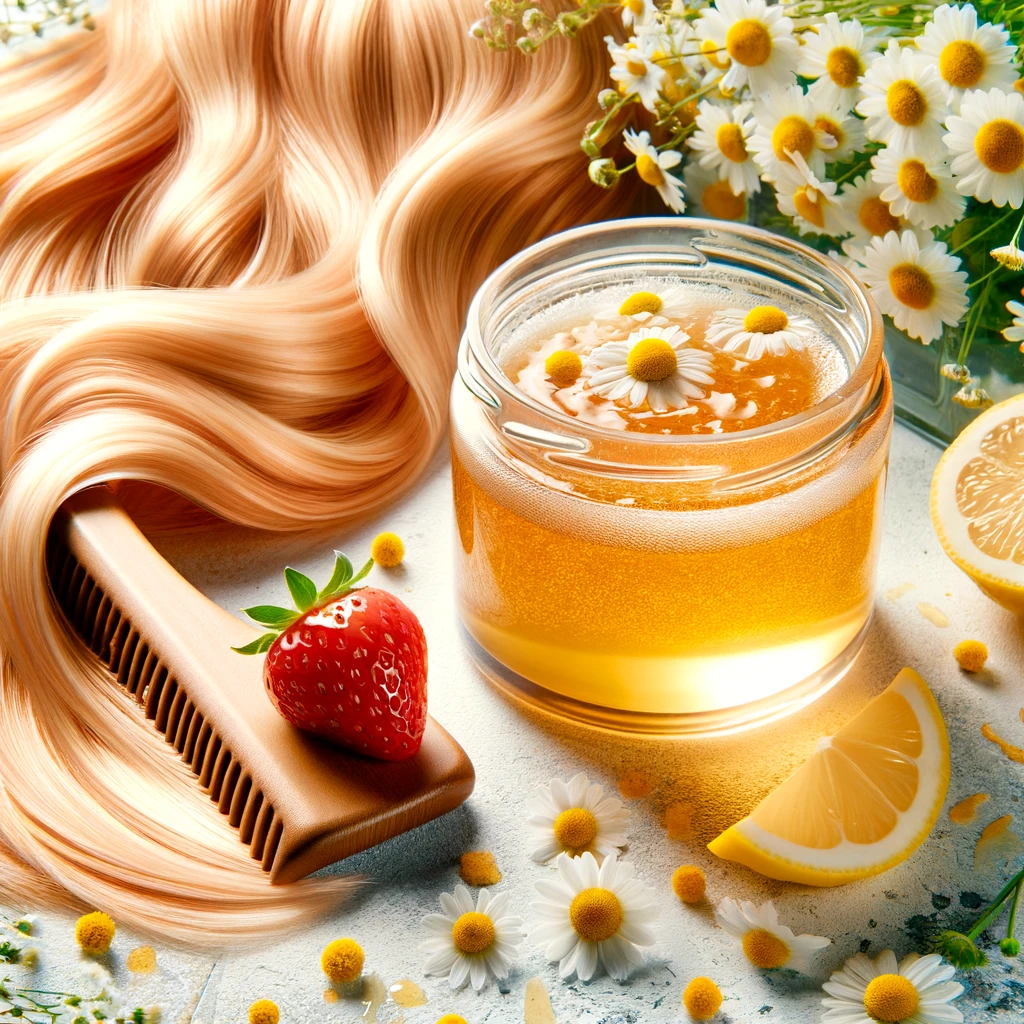
Unlocking Strawberry Ginger Blonde: Chamomile and Lemon Juice Recipe

May 22, 2024 by sharvayonibeauty Leave a Comment

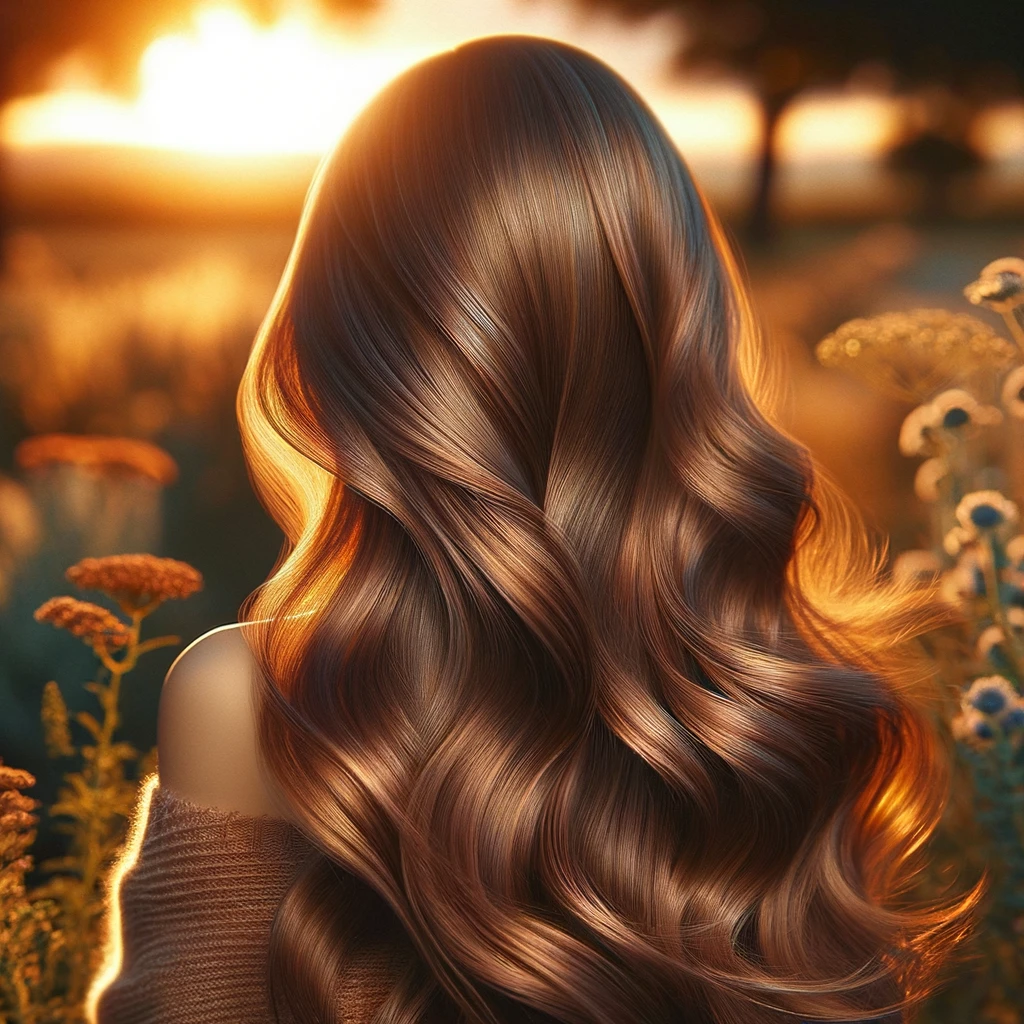
The journey towards lighter hair shades naturally is not only about achieving a new look but also about maintaining hair health. The combination of chamomile and lemon juice offers a gentle yet effective means to subtly lighten hair, adding warm, strawberry ginger tones. This recipe is particularly suited for those with natural or oily hair, as lemon juice can be drying. Through this guide, you will learn the step-by-step process to achieve this desirable hair color naturally.

Things Needed

  • 1 cup of freshly brewed chamomile flower tea
  • ¼ cup of fresh lemon juice
  • A spray bottle for application
  • A comb or brush
  • Shower cap or plastic wrap (optional)
  • Sun exposure or a hairdryer

Steps to Prepare

  1. Brew Chamomile Tea: Start by steeping chamomile flowers in boiling water for about 10 minutes. This step extracts the lightening agents present in chamomile.
  2. Mix Ingredients: After the tea has cooled to a comfortable temperature, strain out the flowers. Combine 1 cup of this chamomile tea with ¼ cup of fresh lemon juice in a spray bottle. Shake well to ensure the mixture is thoroughly blended.

How to Apply

  1. Apply to Hair: Spray the chamomile and lemon mixture evenly throughout your hair, or apply it to specific sections where you want highlights. Ensure that your hair is damp but not dripping.
  2. Comb Through: Use a comb or brush to distribute the mixture evenly through your hair. This ensures that every strand is coated, promoting uniform lightening.
  3. Dry and Activate: For the best results, sit in the sun for 15-20 minutes to activate the lightening process. The UV rays enhance the effect of chamomile and lemon. Alternatively, use a hairdryer to heat your hair evenly.
  4. Don’t Rinse Immediately: Allow your hair to remain coated with the mixture for at least an hour before rinsing. This duration maximizes the lightening effect.

Benefits

  • Natural Lightening: This method provides a gentle way to achieve lighter tones without the damage associated with chemical dyes.
  • Enhanced Shine: Lemon juice can add a natural shine to your hair, leaving it looking vibrant and healthy.
  • Cost-Effective: Using kitchen and garden ingredients, this recipe is a cost-effective alternative to salon treatments.

Precautions

  • Dry Hair Caution: Given lemon juice’s drying properties, this recipe is not recommended for those with dry hair.
  • Patch Test: Always perform a patch test to ensure you don’t have an adverse reaction to the mixture.
  • Sun Protection: While sun exposure is recommended for activating the lightening effect, be mindful of protecting your skin with sunscreen.

Tips

  • Condition Well: After rinsing out the mixture, apply a deep conditioner or hair mask to counteract any potential drying effects from the lemon juice.
  • Repeat for Intensity: For more pronounced results, repeat the application several times, allowing a few days between treatments to monitor your hair’s condition.
  • Even Application: For an even lighter effect, ensure the mixture is thoroughly applied to all areas you wish to lighten.

Additional Considerations

Hair Texture and Health

Individuals with fine or particularly greasy hair might find this recipe especially beneficial, as the lemon juice helps manage oiliness while lightening the hair.

Longevity and Maintenance

The effects of this natural lightening process are gradual and require multiple applications for significant change. Regular treatments can help maintain the strawberry ginger blonde shade, but be mindful of your hair’s health and moisture levels.

Conclusion

Achieving a strawberry ginger blonde hair color naturally is a rewarding process that marries the gentle lightening effect of chamomile with the brightening power of lemon juice. This recipe offers a sustainable and health-conscious alternative to traditional hair coloring methods, ideal for those with natural to oily hair types. By following the steps outlined in this guide and paying heed to the provided tips and precautions, you can enjoy a beautiful, naturally lightened hair color that shines with the warm tones of summer.

Filed Under: Hair Care Tagged With: beauty tips, chamomile tea hair dye, chemical-free hair dye, DIY natural hair color, greasy hair remedies, hair care, Homemade Hair Treatments, lemon juice for hair, lightening hair naturally, natural beauty solutions, natural hair lightening, strawberry ginger blonde

Achieving Natural Brunette Tones: Coffee and Henna Hair Dye

May 20, 2024 by sharvayonibeauty Leave a Comment

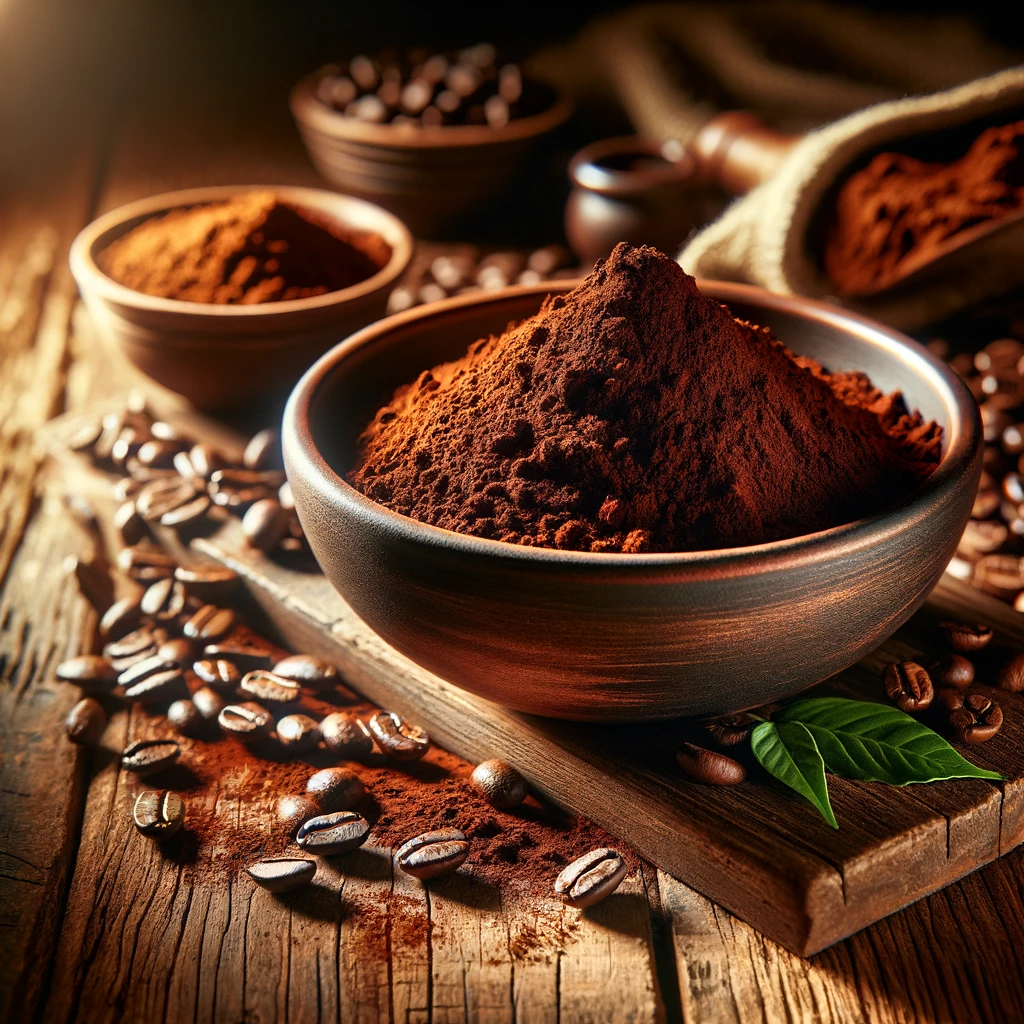
The quest for a natural, healthier alternative to chemical hair dyes has led many to rediscover the benefits of henna, a plant-based dye known for its conditioning and strengthening properties. When combined with coffee, a common household ingredient, it creates a potent natural dye capable of imparting rich, warm brunette tones to your hair. This guide will walk you through a simple yet effective recipe for using coffee and henna to dye your hair, offering tips and precautions to ensure the best results.

Things Needed

  • 5 tablespoons of ground coffee
  • 1 cup of Egyptian or Indian henna powder
  • Hot water (enough to create a paste)
  • A non-metallic mixing bowl
  • A wooden or plastic spoon for mixing
  • Gloves to avoid staining your hands
  • A plastic bonnet or shower cap
  • An old towel or shirt to protect your clothing

Steps to Prepare

  1. Boil the Coffee: Start by boiling the ground coffee in water for about 10 minutes. This process extracts the deep colors and aromatic compounds from the coffee, which will help to tint the henna mixture.
  2. Mix Coffee with Henna: Gradually pour the hot coffee into the henna powder, stirring continuously with a wooden or plastic spoon. Mix until it forms a smooth, consistent paste. Adjust the consistency by adding more hot water or henna, as needed.
  3. Let the Mixture Rest: Allowing the mixture to sit for a few minutes can enhance the dyeing properties of henna, making the application more effective.

How to Apply

  1. Preparation: Don protective gloves and drape an old towel or shirt over your shoulders to protect your skin and clothing from stains.
  2. Application: Section your hair and apply the mixture evenly, starting from the roots and moving towards the ends. Ensure every strand is well-coated for uniform color.
  3. Covering: Once your hair is fully covered in the mixture, wrap it with a plastic bonnet or shower cap. This helps to keep the mixture moist and warm, enhancing the dyeing effect.
  4. Waiting Time: Leave the mixture in your hair for at least two hours. For deeper color penetration or if you have resistant gray hair, you may extend this time.
  5. Rinsing: Rinse your hair thoroughly with warm water until all the mixture is washed out. Avoid shampooing immediately to allow the color to set. Follow up with a moisturizing conditioner or a deep hair mask to nourish your hair.

Benefits

  • Natural Coloring: Provides a safe and natural alternative to chemical dyes, reducing the risk of allergic reactions and scalp irritation.
  • Conditioning: Henna naturally conditions and strengthens hair, while coffee adds shine and depth to the color.
  • Sustainability: Using coffee and henna for hair dyeing is an eco-friendly option, minimizing environmental impact compared to synthetic dyes.

Precautions

  • Patch Test: Always conduct a patch test before applying the mixture to your entire head, especially if you have sensitive skin or allergies.
  • Staining: Be mindful of potential stains on fabrics and surfaces. Use protective coverings and wear old clothes during application.

Tips

  • Enhance Color: For a richer color, consider adding a spoonful of apple cider vinegar to the mixture; the acidity can help the henna penetrate the hair shaft more effectively.
  • Heat Application: Applying gentle heat with a hairdryer over the plastic bonnet can intensify the dyeing process.
  • Frequency: For sustained color and conditioning benefits, apply this coffee and henna mixture once a month.

Additional Insights

Customizing the Color

You can adjust the shade of brunette by varying the amount of coffee in the recipe. More coffee results in darker, cooler tones, while less coffee maintains henna’s natural warmth.

Longevity and Maintenance

The longevity of the color depends on your hair type, the frequency of washing, and exposure to sunlight. To maintain the richness of the color, limit washing and use color-safe shampoos.

Conclusion

Utilizing coffee and henna as a natural hair dye offers a sustainable and health-conscious alternative to traditional coloring methods. This recipe not only imbues your hair with beautiful brunette tones but also contributes to its overall health and shine. By following the steps outlined in this guide, you can

achieve and maintain a rich, natural hair color, embracing the beauty of natural ingredients while minimizing your chemical exposure.

Filed Under: Hair Care Tagged With: beauty tips, brunette tones, chemical-free hair dye, coffee hair color, DIY hair dye, eco-friendly beauty, hair care, henna for hair, homemade hair color, natural beauty solutions, natural hair dye, Organic Hair Care

Crafting Reddish Hair Color Naturally: A Guide to Using Henna and Red Tea

May 18, 2024 by sharvayonibeauty Leave a Comment

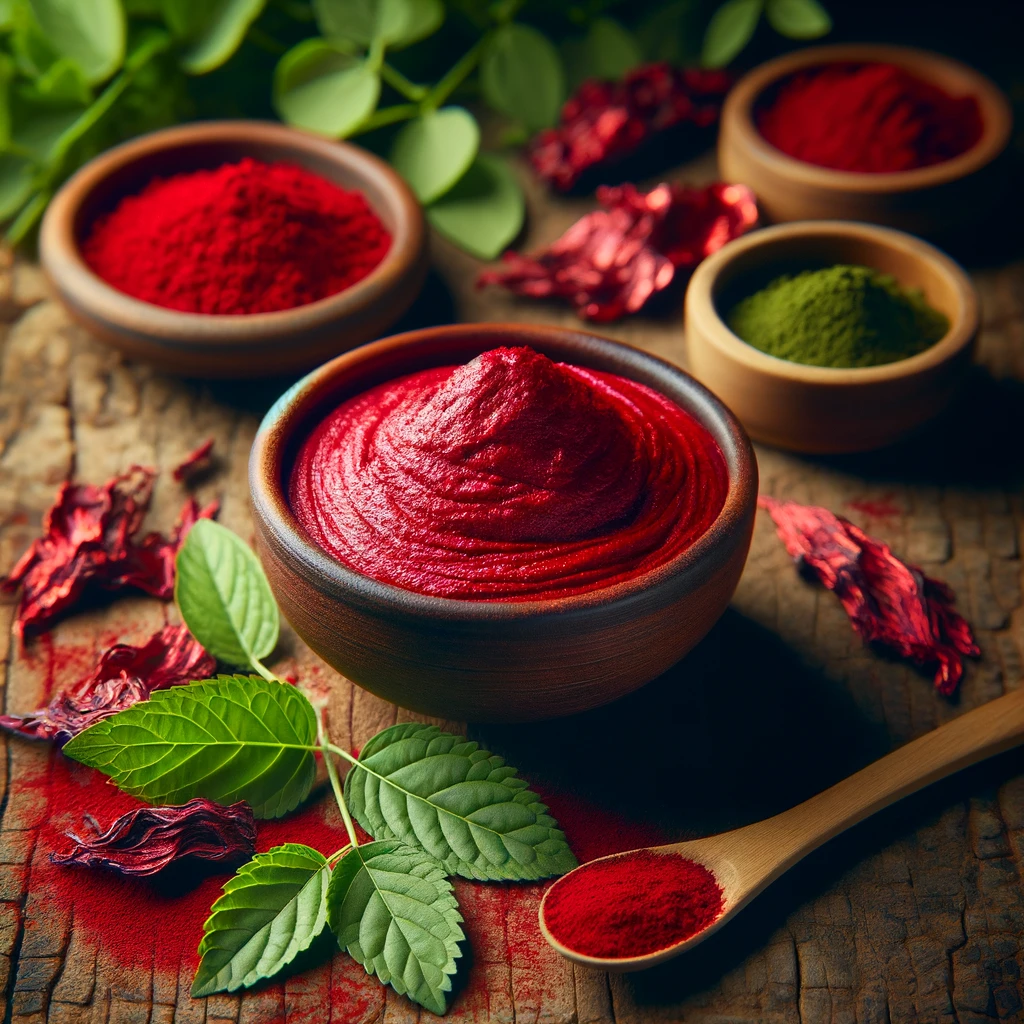
For centuries, henna has been celebrated for its ability to dye hair in a range of earthy tones, from reddish to deep brown, depending on the original hair color and the ingredients mixed with it. This recipe elevates the traditional henna application by incorporating red tea, enhancing the reddish tones and offering a unique hue that can captivate the eye. This guide aims to provide a comprehensive approach to using these natural ingredients to achieve a beautiful reddish hair color, suitable for anyone looking to explore the benefits of natural hair dye.

Things Needed

  • 1 cup of natural Indian or Egyptian henna powder
  • 4 tablespoons of red tea leaves
  • Hot water (enough to blend the mixture into a dough-like consistency)

Additional tools:

  • A non-metallic bowl for mixing
  • A spoon or spatula for stirring
  • A shower cap or plastic wrap
  • Gloves to protect your hands from staining
  • An applicator brush (optional for ease of application)

Steps to Prepare

  1. Boil the Red Tea: Begin by boiling the red tea leaves in water for a few minutes. This process extracts the color from the tea, creating a potent dye solution. After boiling, turn off the heat and allow the tea to steep for 5 to 10 minutes.
  2. Mix Henna and Tea: Gradually add the red tea solution to the henna powder in a non-metallic bowl. Stir continuously until the mixture achieves a smooth, dough-like consistency. If the mixture is too thick, add more tea; if too runny, add a bit more henna powder.
  3. Let the Mixture Rest: Allow the henna mixture to sit for an hour or so, enabling the dye to release. This step is crucial for achieving the full color potential of the henna.

How to Apply

  1. Section Your Hair: Divide your hair into small sections to ensure even application. Starting from the roots, apply the henna mixture generously using your hands (with gloves) or an applicator brush.
  2. Cover Your Head: Once all sections are covered, wrap your head with a shower cap or plastic wrap. This keeps the henna moist and warm, enhancing the dye’s ability to penetrate the hair shafts.
  3. Wait: Leave the henna in your hair for at least two hours. For a deeper color, you can extend this period up to four hours or more, depending on your preference.
  4. Rinse: Rinse your hair thoroughly with warm water until all the henna is washed out. Avoid using shampoo immediately after rinsing as it can strip the color. Instead, apply a moisturizing conditioner or a deep hair mask to nourish your hair.

Benefits

  • Natural Coloring: Henna provides a safer alternative to chemical hair dyes, minimizing the risk of allergic reactions and hair damage.
  • Conditioning: Henna naturally conditions your hair, leaving it soft, shiny, and manageable.
  • Scalp Health: The antimicrobial properties of henna help maintain scalp health, potentially reducing issues like dandruff.

Precautions

  • Allergy Test: Conduct a patch test before full application to ensure you’re not allergic to henna.
  • Color Variability: The final color can vary based on your original hair color, the henna’s quality, and how long you leave the mixture in your hair.

Tips

  • Use Fresh Ingredients: For the best results, ensure your henna powder and red tea are fresh and of high quality.
  • Heat the Mixture: Applying the mixture while it’s slightly warm can enhance the dye uptake.
  • Avoid Metal Utensils: Metal can react with henna, affecting the color outcome. Use plastic, glass, or ceramic bowls and spoons instead.

Conclusion

Embracing the natural route for hair coloring can be a rewarding and health-conscious choice. This recipe for achieving a reddish hair color with henna and red tea not only offers a vibrant hue but also nurtures your hair with natural conditioning properties. While the process might seem more labor-intensive than using boxed dyes, the benefits of minimized chemical exposure and enhanced hair health are compelling reasons to give it a try. By following this guide, you’re not just coloring your hair; you’re embracing a centuries-old tradition

of natural beauty care, tailored for the modern enthusiast.

Filed Under: Hair Care Tagged With: beauty tips, chemical-free hair dye, DIY hair dye, hair care, hair care tips, henna and red tea recipe, henna hair dye, natural beauty remedies, natural hair coloring, Organic Hair Care, red tea for hair, sustainable beauty

  • Page 1
  • Page 2
  • Go to Next Page »

Primary Sidebar

Looking for something?

Connect with us online

  • Email
  • Facebook

Popular Posts!

Get rid of Dandruff by using aroma oil

How To Use Malai for Dry Skin

Deep Conditioning Honey and Oil Hair Treatment: A Step-by-Step Guide

Remove Unwanted Hair

Naturally Remove Unwanted Body Hair Permanently

Say Goodbye to Dark Spots: Effective Home Remedies for Hyperpigmentation

Categories

  • Hair Care
  • Health and Wellness
  • Skin Care

Tags

beauty benefits beauty tips Chemical-Free Hair Care coconut oil curd curry leaves dark circles DIY Hair Care egg exfoliation eye care glowing skin hair care Hair Care Routine hair care tips hair growth Hair health Hair Health Improvement hair loss Hair Nourishment Hair Strengthening health and wellness honey hydration lemon lemon juice milk natural beauty natural conditioner natural face mask Natural hair care Natural Hair Growth Natural Hair Remedies natural ingredients natural remedies Natural remedy natural skincare olive oil radiant complexion radiant skin scalp health Scalp Nourishment skin care skincare skincare routine

© 2026 · Sharvayoni · Privacy Policy · Disclaimer