• Skip to main content
  • Skip to primary sidebar
  • HOME
  • SKIN CARE
  • HAIR CARE
  • HEALTH AND WELLNESS
  • CONTACT US

Sharvayoni

Unearth Nature's Magic - Your Path to Herbal Radiance and Wellnes

dry hair

To find out you have oil hair or dry hair

August 7, 2020 by sharvayonibeauty Leave a Comment

With ever-increasing pollution and changing climatic conditions, it is rare to see a smooth and shining hair. People’s hair has dull and lost its radiant properties due to harsh chemicals and compounds found in shampoo and conditioners.

It is best first to identify the hair type when you need to do some treatments with the hair. There are mostly three types of hair – oily, dry, and healthy hair. It based on the texture, quality, and feeling of the hair. So to tell which category your hair type falls under, they are a few steps.

Oily Hair:

The person with oily skin also has greasy hair. Since skin type in the face as the same as the scalp. If you have oily hair, then

  • the hair looks dull and lifeless
  • the hair becomes oily within a day of shampooing
  • you can have a lot of hair loss

Dry Hair:

The other most common hair type is dry hair. Ineffective oil glands are what usually leads to dryness of the hair. If you have dry skin, you will likely have dry hair.If you have dry hair, then

  • there will be a fizzy hair
  • there will be an excessive amount of split ends
  • the hair breaks very quickly and is extremely rough at the broken part

How to Find Dry Hair or Oily Hair:

  • Wash your hair and after three days, take a tissue paper and daub it on your hair. 
  • If there is a smudge of oil, you have oily hair. 
  • If there is nothing on the tissue, you have dry hair. 
Filed Under: Hair Care Tagged With: beauty tips, dry hair, hair care, oily hair, type of hair

Types of Hair

August 6, 2020 by sharvayonibeauty Leave a Comment

The chances are, you may not be as in tune with your hair type as you thought. Much like understanding your skin type is crucial for implementing an effective skincare regimen; determining your actual hair type can play a massive role in the efficacy of your daily hair care routine. And yet, figuring out your correct hair type may be easier said than done. Besides the distinct categories like healthy hair, dry hair, oily hair, and weak hair, there are also several other factors to consider in pinpointing your hair type. Below is everything you need to know about determining your exact hair type and what that means for your daily hair care routine.

Hair with high porosity typically absorbs moisture too quickly because of gaps or tears around the cuticle. Those damaged areas cause it to release moisture at a high rate, making it dry and brittle. It’s best to avoid heat styling and harsh chemical treatments that can continue to make the hair brittle for these hair types.

On the other hand, low porosity hair types are those where the cuticle lies flat, blocking water or moisture from being absorbed into the strands. For these hair types, the biggest concern is typically product buildup, which is why it’s recommended you apply products while your hair is still damp to help ensure they’re more easily absorbed and distributed.

Normal Hair:

This type of hair does not have too much oily or dryness. It will thicken, clean, and shiny. We can grow this type of hair as desired.

The person with this type of hair need not worry much until overuse of chemical or artificial shampoos and conditioners.

Dry Hair:

The split ends of the hair broken and the hair suddenly fades in the hair. It is not very easy to maintain with such type of hair.

People with this type of hair should get regular oil massage and hair care. Because of the hair and hair, follicles are dry, also use natural hair conditioner. The person with dry hair should not comb the hair backward. 

Oily Hair:

Oily hair is often brought on by a buildup of excess sebum, a naturally occurring oil produced within our oil glands.

Sometimes, this is caused by internal factors, such as a hormonal imbalance, while other times, it can be a direct result of your everyday beauty routine.

Weak Hair:

Weak hair can be defined as limp, droopy, thin, or falling out. Split ends, extreme dryness or excessive oiliness can all be signs of dull hair.

The hair that lost from breakage is not the same as an ordinary loss. Hair that falls out naturally comes from the scalp, typically with the bulb attached.

Damage from weakness is when the hair breaks off below the scalp. While some breakage is normal, excessive breakage indicates weakened hair.

Weak hair often shows itself as split ends, which can travel up the hair shaft and break off Environmental impact from sun exposure, chlorine or saltwater, air conditioning or heating and pollution can weaken hair.

Filed Under: Hair Care Tagged With: beauty tips, dry hair, hair care, normal hair, oily hair, type of hair, weak hair

Get rid of Dry Hair Naturally using Hibiscus and Aloe Vera

July 9, 2020 by sharvayonibeauty Leave a Comment

Adding pure herbs to your deep conditioner can help your hair to thrive. When using herbs for hair care, you don’t want to overwhelm your products with tons of herbs. Just 1 or 2 herbs will suffice. Plus, you are better able to see what herbs work best in your hair when you don’t use too many at once.

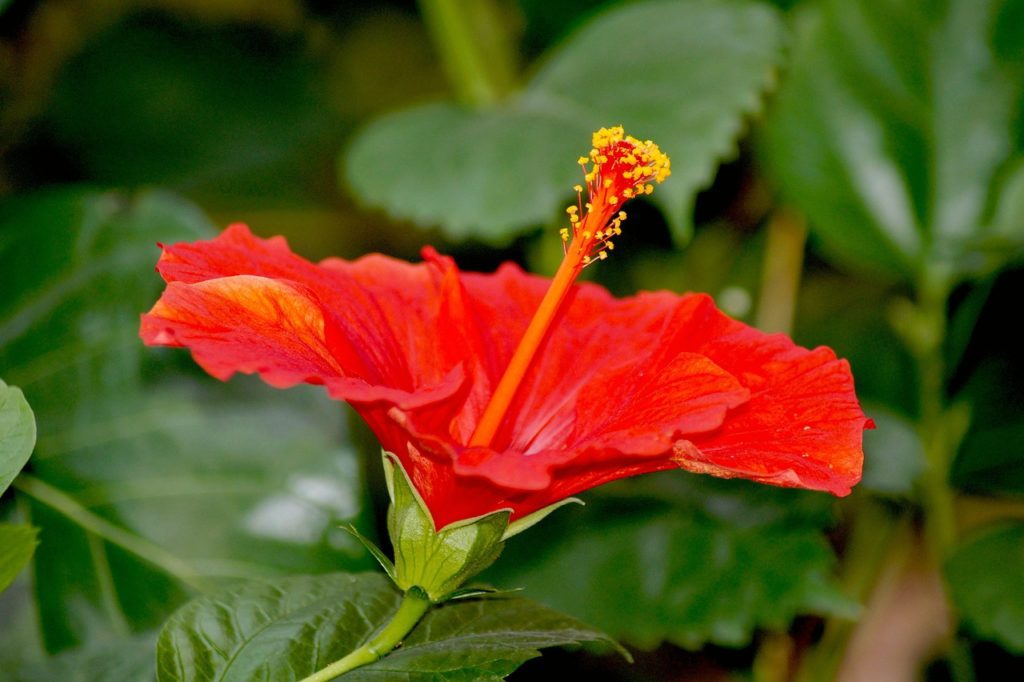
There are various natural hair packs made at home easily with one or two commonly available ones. To repair split ends and breathe new life into dull, damaged hair, use hibiscus flower powder with aloe vera. It is also to maintain smooth hair and get rid of dry hair.

Things Required:

  • Hibiscus Powder – 2 Tablespoons
  • Aloe vera Gel – 1/4 Cup
  • Sesame Oil – little amount

How To:

  • Take aloe gel and put it in a bowl.
  • Pour the hibiscus flower powder into the bowl.
  • Pour a little amount of Sesame Oil and blend well to form a paste.
  • Apply the paste starting from the middle of hair strands to the tips.

Avoid using on the scalp and roots of the hair. Rinse with warm water after about 45 minutes. This remedy can be used once weekly.

Why it Works:

Hibiscus flowers are rich in amino acids necessary for producing keratin and help stimulate hair regrowth from dormant follicles and bald patches.

Aloe vera is very moisturizing; therefore, it helps your hair to retain length. A natural conditioner, Aloe vera is rich in nutrients that have been proven to grow healthy hair.

Filed Under: Hair Care Tagged With: aloe vera, beauty tips, dry hair, hair care, hibiscus

Primary Sidebar

Looking for something?

Connect with us online

  • Email
  • Facebook

Popular Posts!

Coconut Oil Scalp Conditioner and Hair Growth Serum: Nourish Your Roots

Get Wrinkle Free Skin using Cucumber and Honey

Herbal Hair Rinse for Healthy Scalp and Shiny Hair

Adhatoda for the Dandruff problems

DIY Leave-in Conditioner: Nourish Your Hair Naturally

Categories

  • Hair Care
  • Health and Wellness
  • Skin Care

Tags

beauty benefits beauty tips Chemical-Free Hair Care coconut oil curd curry leaves dark circles DIY Hair Care egg exfoliation eye care glowing skin hair care Hair Care Routine hair care tips hair growth Hair health Hair Health Improvement hair loss Hair Nourishment Hair Strengthening health and wellness honey hydration lemon lemon juice milk natural beauty natural conditioner natural face mask Natural hair care Natural Hair Growth Natural Hair Remedies natural ingredients natural remedies Natural remedy natural skincare olive oil radiant complexion radiant skin scalp health Scalp Nourishment skin care skincare skincare routine

© 2026 · Sharvayoni · Privacy Policy · Disclaimer