• Skip to main content
  • Skip to primary sidebar
  • HOME
  • SKIN CARE
  • HAIR CARE
  • HEALTH AND WELLNESS
  • CONTACT US

Sharvayoni

Unearth Nature's Magic - Your Path to Herbal Radiance and Wellnes

Eco-Friendly Hair Care

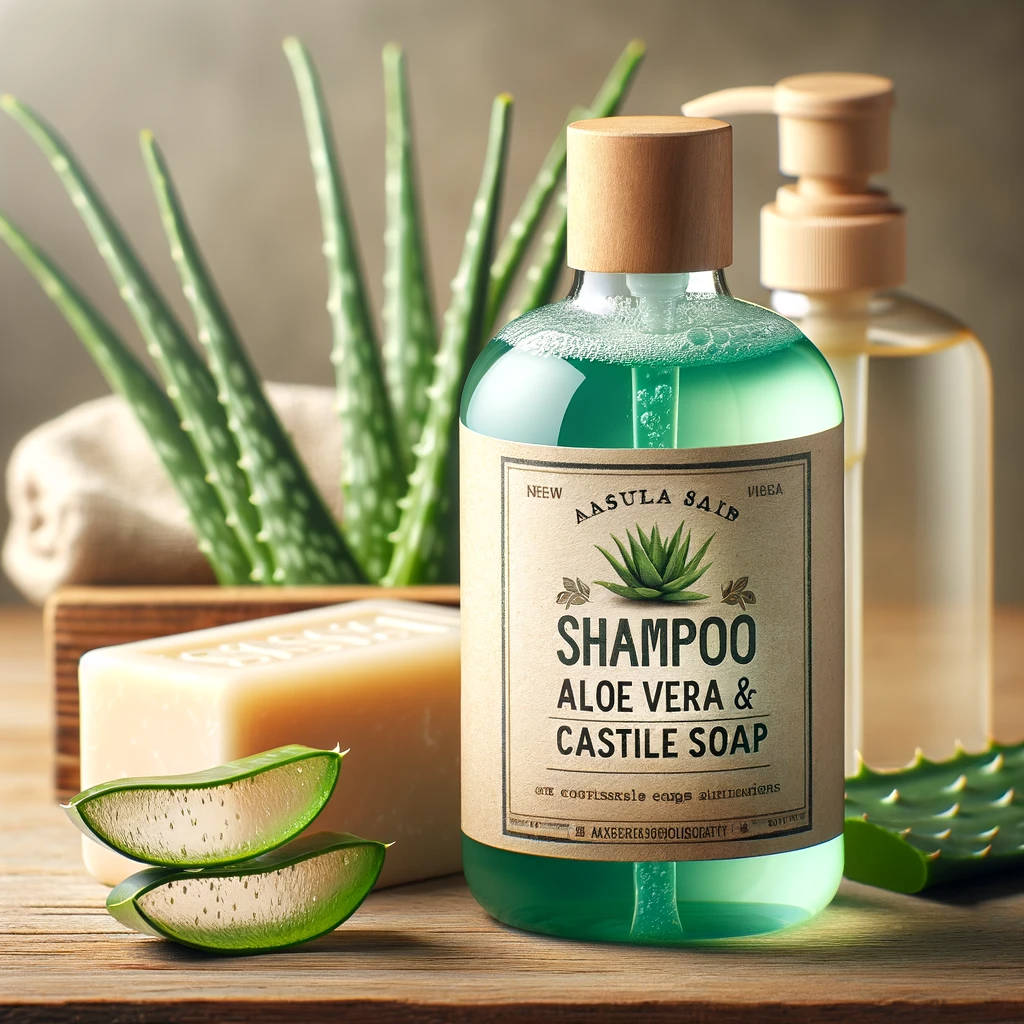
Homemade Aloe Vera and Castile Soap Shampoo: A Natural Hair Care Formula

January 16, 2024 by sharvayonibeauty Leave a Comment

In an era where natural and organic beauty products are highly sought after, creating your own shampoo can be both a fulfilling and health-conscious endeavor. This homemade shampoo recipe combines aloe vera gel, liquid Castile soap, and nourishing oils like jojoba or avocado, along with glycerin, to create a gentle yet effective hair cleanser. Ideal for those looking to reduce their chemical exposure and embrace a more natural lifestyle, this shampoo offers a refreshing and hydrating hair care experience.

Things Needed

Before you start, make sure you have the following items:

  1. Distilled Water: ¼ cup, to ensure purity and prevent mineral buildup in hair.
  2. Aloe Vera Gel: ¼ cup, preferably fresh or pure store-bought gel.
  3. Liquid Castile Soap: ¼ cup, in your favorite scent, for a gentle cleansing base.
  4. Jojoba or Avocado Oil: ¼ tsp, to nourish and moisturize the hair.
  5. Glycerin: 1 tsp, to add hydration and shine.
  6. Flip Cap or Foaming Bottles: For storing and dispensing the shampoo.
  7. Small Mixing Bowl: To combine ingredients.
  8. Stirring Tool: Such as a spoon or whisk.
  9. Funnel: To help transfer the shampoo into the bottle.

Steps to Prepare

Creating your homemade shampoo is a straightforward process:

  1. Mix Ingredients: In your small mixing bowl, combine ¼ cup each of distilled water, aloe vera gel, and liquid Castile soap. Add ¼ tsp of either jojoba or avocado oil, depending on your preference and hair type. Jojoba oil is lighter and suitable for oily hair, while avocado oil is richer and better for dry or damaged hair.
  2. Add Glycerin: Stir in 1 tsp of glycerin. Glycerin acts as a humectant, attracting moisture to your hair and scalp.
  3. Combine Thoroughly: Stir all the ingredients together until they are thoroughly mixed. Ensure that the aloe vera gel is fully integrated with the other ingredients for a consistent texture.
  4. Transfer to Bottle: Using a funnel, pour your shampoo mixture into a flip cap or foaming bottle. A foaming bottle can give a luxurious lather with each use.
  5. Shake Well Before Use: Always shake the bottle before using the shampoo to ensure the ingredients are well mixed.
  6. Application: Apply the shampoo to your scalp and hair by scrubbing gently. It’s formulated to cleanse without stripping natural oils.

Benefits

This homemade aloe vera and Castile soap shampoo offers multiple benefits:

  1. Gentle Cleansing: Liquid Castile soap provides a natural and gentle cleansing action, making it suitable for all hair types and frequent use.
  2. Hydrating and Soothing: Aloe vera gel soothes the scalp and provides hydration, making it great for dry or irritated scalps.
  3. Moisturizing: Jojoba and avocado oils add moisture and nourish the hair, leaving it soft and healthy.
  4. Adds Shine: Glycerin helps to add shine and manageability to the hair.
  5. Natural and Chemical-Free: Free from harsh detergents, sulfates, and parabens, this shampoo is an excellent choice for those looking to reduce their chemical exposure.
  6. Customizable: You can customize the shampoo with different Castile soap scents or by adjusting the oil ratios to suit your hair type.
  7. Eco-Friendly: Homemade shampoos reduce plastic waste and the environmental impact of commercial hair care products.
  8. Cost-Effective: Creating your own shampoo can be more economical in the long run compared to purchasing high-end natural shampoos.

Conclusion

Making your own aloe vera and Castile soap shampoo is not only an enjoyable and creative process but also a step towards embracing a more natural and sustainable hair care routine. This shampoo is gentle, moisturizing, and suitable for a variety of hair types, offering a refreshing alternative to store-bought options. With its natural ingredients and easy preparation method, this homemade shampoo is a practical, eco-friendly, and health-conscious choice for anyone looking to enhance their hair care regimen naturally.
Filed Under: Hair Care Tagged With: avocado oil, beauty tips, DIY Aloe Vera Shampoo, Eco-Friendly Hair Care, Gentle Hair Cleansing, Glycerin in Hair Products, hair care, Homemade Castile Soap Shampoo, Jojoba oil, Moisturizing Shampoo, Natural hair care, Sulfate-Free Shampoo

Herbal Essence: Crafting a Natural Shampoo with Essential Oils

January 13, 2024 by sharvayonibeauty Leave a Comment

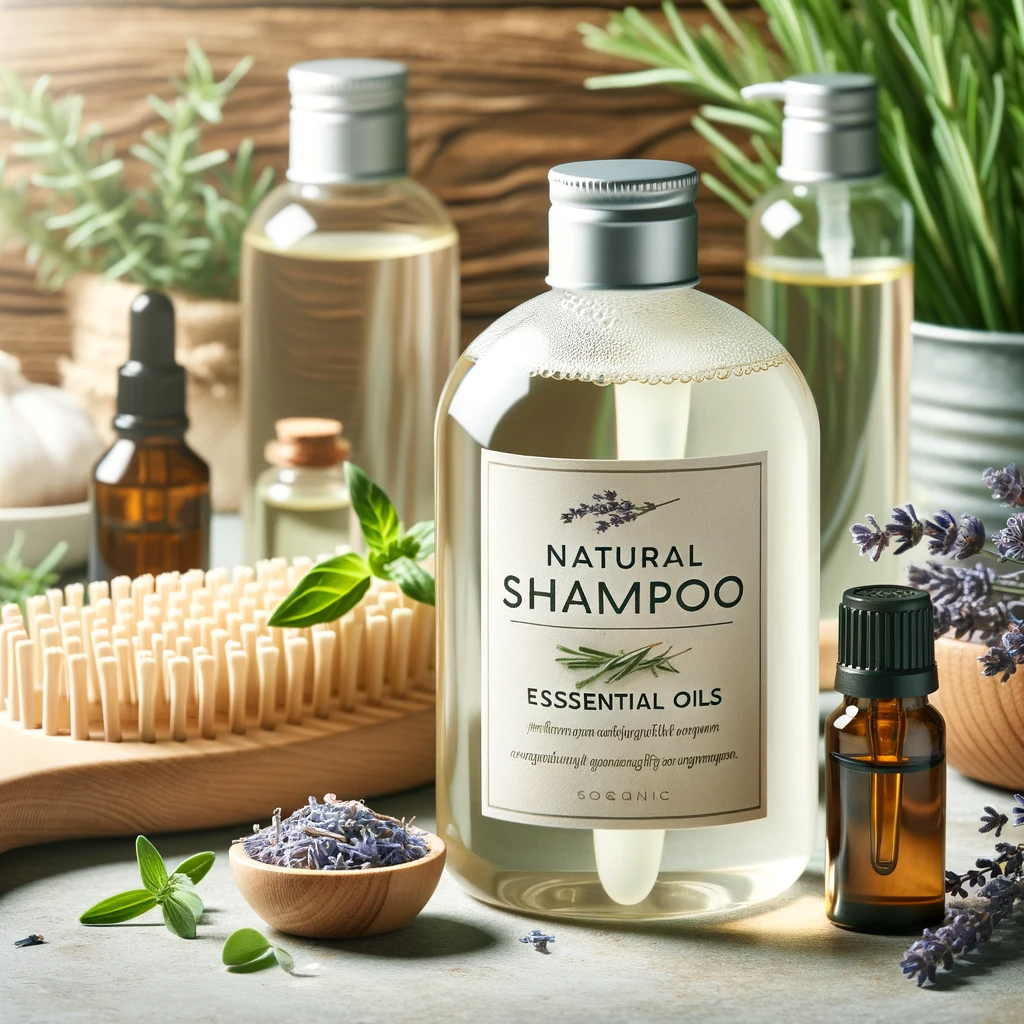
In the ever-evolving world of natural hair care, crafting your own shampoo has become a popular and rewarding endeavor. This guide will walk you through creating a luxurious and hydrating shampoo using a blend of essential oils, including lavender, ylang ylang, and rosemary, mixed with an unscented shampoo base and jojoba oil. This combination not only cleanses your hair but also provides therapeutic benefits, leaving your hair nourished and refreshed.

Things Needed

To begin crafting your herbal essence shampoo, gather the following materials:

  1. Unscented Shampoo Base: Serves as the foundation for your shampoo.
  2. Lavender Essential Oil: Known for its soothing properties.
  3. Ylang Ylang Essential Oil: Adds a rich, floral fragrance and promotes hair health.
  4. Rosemary Essential Oil: Stimulates hair growth and adds a refreshing scent.
  5. Jojoba Oil (Optional): Provides additional hydration to the hair.
  6. Mixing Bowl: For combining the ingredients.
  7. Funnel: To transfer the shampoo into a bottle.
  8. 8-Ounce Bottle: To store your shampoo.
  9. Measuring Tools: To accurately measure your ingredients.

Steps to Prepare

Creating your own herbal essence shampoo is simple and satisfying:

  1. Prepare the Base: Pour 7 fluid ounces of the unscented shampoo base into the mixing bowl.
  2. Add Essential Oils: Blend 40 drops of lavender essential oil, 5 drops of ylang ylang essential oil, and 10 drops of rosemary essential oil into the shampoo base. If desired, add 1 tablespoon of jojoba oil for extra hydration.
  3. Mix Thoroughly: Stir the mixture thoroughly until the essential oils are well incorporated into the shampoo base. This ensures a uniform distribution of the oils for maximum benefit.
  4. Transfer to Bottle: Using a funnel, carefully pour the shampoo into an 8-ounce bottle. This will make application easy and convenient.
  5. Application: Use this shampoo as you would a regular shampoo. Its natural ingredients are gentle yet effective.

Benefits

This homemade herbal essence shampoo offers numerous benefits:

  1. Gentle Cleansing: The unscented shampoo base provides a gentle cleanse, suitable for all hair types.
  2. Soothing Aroma: Lavender essential oil offers a calming and soothing fragrance, making your hair washing experience more relaxing.
  3. Hair Strengthening: Rosemary essential oil is known for its ability to stimulate hair growth and strengthen hair.
  4. Hydrating Properties: Jojoba oil deeply hydrates the hair, leaving it soft and nourished.
  5. Scalp Health: The blend of essential oils can help maintain a healthy scalp, reducing issues like dandruff and itchiness.
  6. Customizable: You can adjust the ratios of essential oils based on your scent preference and hair needs.
  7. Natural and Chemical-Free: This shampoo is free from harsh chemicals and synthetic fragrances, making it a healthier choice for your hair and the environment.

Note

Always adhere to essential oil safety precautions. Conduct a skin patch test before using the shampoo to ensure you are not allergic to any of the ingredients. It’s important to use essential oils that are gentle to the skin and of high quality.

Conclusion

Creating your own herbal essence shampoo is a delightful way to incorporate natural ingredients into your hair care routine. This shampoo not only cleanses your hair but also turns your shower into a therapeutic experience, thanks to the fragrant and beneficial essential oils. The process is simple, the results are rewarding, and the benefits are plentiful. Embrace this natural approach to hair care and enjoy the luxurious, nurturing experience it provides.

Filed Under: Hair Care Tagged With: beauty tips, DIY Herbal Shampoo, Eco-Friendly Hair Care, Essential Oil Shampoo, hair care, Homemade Hair Care, Jojoba Oil Benefits, Lavender Essential Oil, Natural Shampoo Making, Rosemary Oil for Hair, Unscented Shampoo Base, ylang ylang oil

Homemade Castile Soap Shampoo: A Natural Approach to Hair Care

January 9, 2024 by sharvayonibeauty Leave a Comment

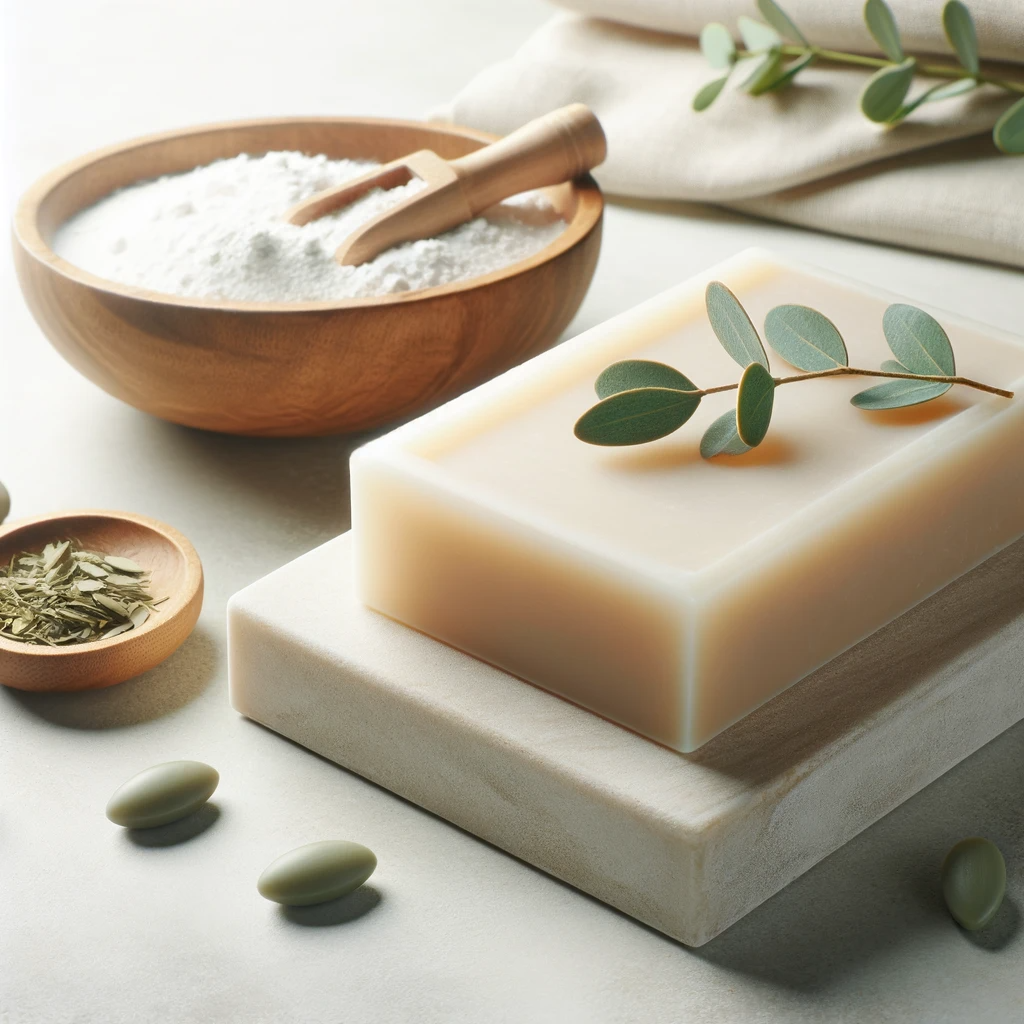
In the quest for a more natural and gentle approach to hair care, homemade shampoos have gained popularity. Among these, Castile soap-based shampoos are celebrated for their simplicity and effectiveness. This article guides you through creating your own Castile soap shampoo, a blend that can be tailored to suit various hair types and preferences. It’s important to note that while this natural shampoo can work wonders for some, others might experience different results based on their hair type and the water quality in their area.

Things Needed

To prepare your homemade Castile soap shampoo, gather the following items:

  1. Liquid Castile Soap: A gentle, natural soap base.
  2. Water: Preferably distilled or filtered to avoid hard water minerals.
  3. Oil: Options include grapeseed, olive, or jojoba oil, depending on hair type.
  4. Mixing Bowl: For combining the ingredients.
  5. Whisk or Spoon: To mix the ingredients thoroughly.
  6. Plastic or Glass Bottle: For storing the shampoo.
  7. Measuring Cup and Spoons: For accurate measurements.

Steps to Prepare

Creating your Castile soap shampoo is straightforward:

  1. Measure the Ingredients: Use a measuring cup to measure ¼ cup of liquid Castile soap and ¼ cup of water. Measure ½ teaspoon of your chosen oil.
  2. Combine Ingredients: In the mixing bowl, combine the liquid Castile soap, water, and oil. Choose the oil based on your hair type – grapeseed oil is lightweight and suitable for oily hair, olive oil is great for dry hair, and jojoba oil is a versatile option for all hair types.
  3. Mix Well: Use a whisk or spoon to mix the ingredients until they are well combined.
  4. Transfer to Bottle: Pour the mixture into your chosen bottle. A bottle with a narrow opening or a pump dispenser can make application easier.
  5. Shake Before Use: Shake the bottle well before each use to ensure the ingredients are well mixed.

Benefits

Using a homemade Castile soap shampoo offers several advantages:

  1. Natural and Gentle: Castile soap is free from harsh chemicals, making it a gentle option for hair care.
  2. Customizable: You can tailor the shampoo to your hair type by choosing different oils.
  3. Moisturizing: The added oils help to moisturize the hair, leaving it soft and nourished.
  4. Eco-Friendly: This homemade shampoo is environmentally friendly, especially if you use organic and sustainably sourced ingredients.
  5. Cost-Effective: Making your own shampoo can be more economical than buying commercial products.
  6. Simple Ingredients: The shampoo contains only a few, easily recognizable ingredients, making it a great choice for those looking to avoid additives and preservatives.

NOTE

It’s crucial to remember that individual results can vary greatly when using this shampoo. Factors such as hair type, texture, color, and the hardness of the water can affect the shampoo’s effectiveness and the way it leaves your hair feeling. Some people may find that this shampoo leaves a film on their hair. This can often be mitigated by using a vinegar rinse (like apple cider vinegar diluted with water) after shampooing, which helps to remove buildup and balance the hair’s pH levels.

Conclusion

Homemade Castile soap shampoo offers a natural, customizable, and eco-friendly alternative to traditional hair care products. While it provides numerous benefits, it’s essential to consider your specific hair type and the quality of water you use to ensure the best results. Experimenting with different oils can help you find the perfect blend for your hair. As with any new hair care regimen, give your hair time to adjust and experiment to find the right balance for your needs. Embrace the simplicity and natural goodness of homemade Castile soap shampoo for a gentle and effective approach to hair care.

Filed Under: Hair Care Tagged With: beauty tips, Castile Soap, Customizable Hair Care, DIY Shampoo, Eco-Friendly Hair Care, Gentle Shampoo Recipe, hair care, Hair Type Adaptation, Homemade Shampoo, Moisturizing Shampoo, Natural hair care, Personalized Hair Solutions

  • « Go to Previous Page
  • Page 1
  • Page 2

Primary Sidebar

Looking for something?

Connect with us online

  • Email
  • Facebook

Popular Posts!

Nourishing Avocado and Orange Juice Face Mask for Healthy Skin

Natural Shampoo using Methi seeds, Aloe vera and Soap nut powder

The Beet and Red Grape Smoothie: A Heart-Healthy Elixir

Turmeric

4 Beauty Benefits of Turmeric for Hair

Natural Remedies for Lighter Skin Tone: Enhance Your Natural Beauty

Categories

  • Hair Care
  • Health and Wellness
  • Skin Care

Tags

beauty benefits beauty tips Chemical-Free Hair Care coconut oil curd curry leaves dark circles DIY Hair Care egg exfoliation eye care glowing skin hair care Hair Care Routine hair care tips hair growth Hair health Hair Health Improvement hair loss Hair Nourishment Hair Strengthening health and wellness honey hydration lemon lemon juice milk natural beauty natural conditioner natural face mask Natural hair care Natural Hair Growth Natural Hair Remedies natural ingredients natural remedies Natural remedy natural skincare olive oil radiant complexion radiant skin scalp health Scalp Nourishment skin care skincare skincare routine

© 2026 · Sharvayoni · Privacy Policy · Disclaimer