• Skip to main content
  • Skip to primary sidebar
  • HOME
  • SKIN CARE
  • HAIR CARE
  • HEALTH AND WELLNESS
  • CONTACT US

Sharvayoni

Unearth Nature's Magic - Your Path to Herbal Radiance and Wellnes

natural face mask

Milk Bath for Soothing Eye Irritation and Swelling

July 17, 2023 by sharvayonibeauty Leave a Comment

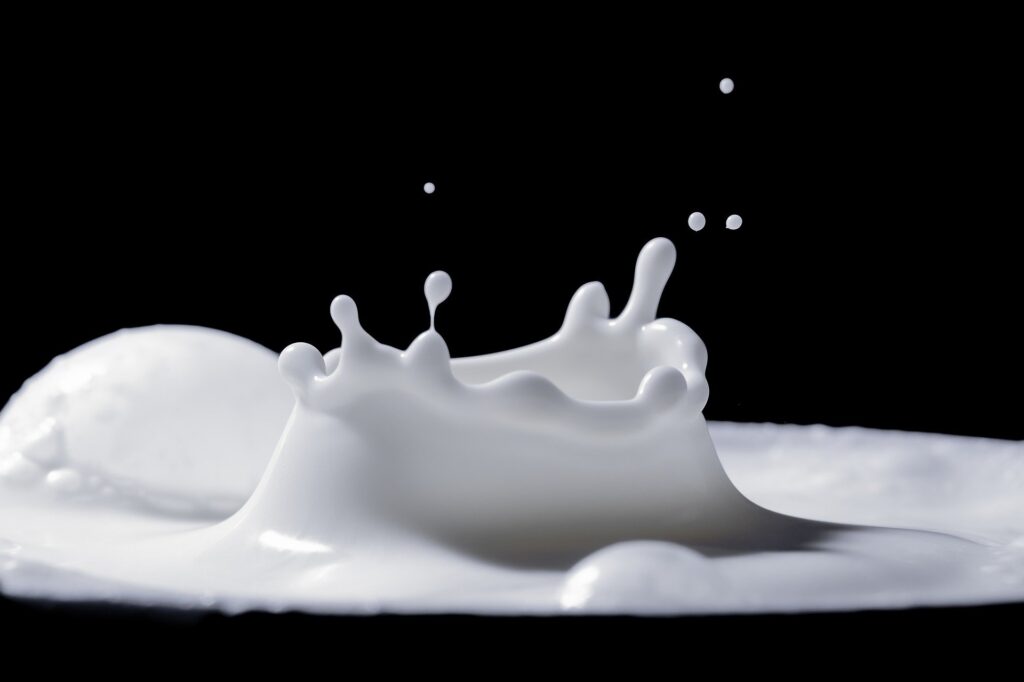
When it comes to soothing eye irritation and reducing swelling, there are various remedies to choose from. One excellent option is a milk bath, which can provide a gentle and calming effect on the eyes. Skimmed milk, with its lower fat content and abundance of soothing milk constituents, such as proteins, amino acids, lactic acid, and vitamins A and D, is particularly beneficial for this purpose. In this article, we will explore the benefits of a milk bath for irritated and swollen eyes and guide you through the process of creating and using this soothing treatment.

Understanding the Benefits of a Milk Bath for the Eyes

Milk is not only a nutritious beverage but also offers numerous benefits for skincare. When used in a milk bath for the eyes, it can provide relief and soothing effects. Here are some of the benefits:

  1. Soothing and Calming: The proteins and amino acids present in milk have soothing properties that can help alleviate irritation and reduce redness around the eyes. This can be particularly beneficial for individuals with sensitive or dry skin.
  2. Moisturizing and Hydrating: The lactic acid in milk acts as a natural exfoliant and moisturizer, helping to hydrate and soften the delicate skin around the eyes. This can contribute to a smoother and more supple appearance.
  3. Nutrient-Rich: Milk contains vitamins A and D, which are known for their skin-nourishing properties. These vitamins can help promote healthier-looking skin and support the skin’s natural healing processes.

Preparing a Milk Bath for the Eyes

To create a soothing milk bath for your eyes, follow these steps:

  1. Start by selecting a bowl or basin that is large enough to comfortably accommodate your eyes.
  2. Pour skimmed milk into the bowl, ensuring that it is at a cool temperature. The quantity of milk needed will depend on the size of the bowl and the desired depth of the bath. You can start with approximately 1 to 2 cups of milk.
  3. Add a few ice cubes to the milk to enhance the cooling effect. The cold temperature can help reduce inflammation and soothe swollen eyes.
  4. Gently stir the milk and ice cubes to ensure even distribution of the cooling properties.

Using the Milk Bath for Soothing Eye Irritation and Swelling

Follow these steps to use the milk bath for soothing eye irritation and swelling:

  1. Ensure that your face is clean and free from any makeup or dirt.
  2. Dip a clean washcloth or cotton pads into the milk bath. Allow them to soak for a few seconds to absorb the milk and coolness.
  3. Squeeze out any excess milk from the washcloth or cotton pads, ensuring that they are damp but not dripping.
  4. Place the soaked washcloth or cotton pads gently over your closed eyes, ensuring they cover the entire eye area, including the eyelids and under-eye area.
  5. Relax and allow the soothing properties of the milk bath to work their magic for approximately 15 minutes. During this time, you can lie back, listen to calming music, or practice deep breathing exercises for enhanced relaxation.
  6. If the cooling sensation subsides during the 15 minutes, re-soak the washcloth or cotton pads in the milk bath and reapply them to your eyes.
  7. After the recommended time, gently remove the washcloth or cotton pads from your eyes and discard them.

Incorporating Milk Baths into Your Skincare Routine

To make the most of milk baths for eye irritation and swelling, consider the following tips:

  1. Include milk baths in your skincare routine as needed or when you experience eye irritation or swelling. This can be done once a day or a few times a week, depending on your specific needs.
  2. Follow up the milk bath with a gentle cleanser to remove any residue and maintain clean and refreshed skin.
  3. Moisturize the eye area with a lightweight eye cream or gel to provide additional hydration and nourishment.
  4. If you have any allergies or sensitivities to milk, it is important to perform a patch test before using a milk bath for the eyes. Apply a small amount of milk on a small area of your skin and wait for any adverse reactions.

Conclusion

A milk bath is a wonderful option for soothing eye irritation and reducing swelling. The natural properties of skimmed milk, including proteins, amino acids, lactic acid, and vitamins A and D, contribute to its soothing and moisturizing effects on the delicate skin around the eyes. By incorporating milk baths into your skincare routine, you can enjoy the calming and refreshing benefits they provide. So, the next time you experience eye irritation or swelling, reach for a milk bath and let its gentle properties nurture and revive your eyes.


Filed Under: Skin Care Tagged With: beauty tips, calming sensation, irritated eyes, lactic acid, milk bath, natural face mask, proteins, redness reduction, skin care, skin hydration, skincare routine, soothing effect, swollen eyes, vitamins

Natural Remedies for Dry Skin: Nourish and Hydrate Your Skin with Banana and Honey

June 8, 2023 by sharvayonibeauty Leave a Comment

Dry skin can be a troublesome condition that causes discomfort and affects the overall appearance of your skin. Whether it’s due to environmental factors, underlying health conditions, or genetics, dealing with dry skin requires special attention and care. While there are numerous moisturizing products available in the market, not all of them are safe and effective for treating dry skin. Using natural home remedies can be a reliable and affordable solution to nourish and moisturize your skin without any harmful side effects.

One simple and effective remedy for dry skin involves the use of ripe bananas and honey. Bananas are not only a delicious fruit but also a powerhouse of nutrients that can benefit your skin. Here’s how you can create a nourishing banana and honey face mask to combat dryness:

  1. Start by taking a medium-sized ripe banana and mashing it in a bowl until it becomes a smooth paste.
  2. Add one tablespoon of honey to the mashed banana and mix it well to form a consistent mixture.
  3. Apply this mixture to your face, ensuring even coverage across your skin. Leave it on for about 15 minutes to allow the ingredients to penetrate and moisturize your skin.
  4. After 15 minutes, rinse off the mask with clean, cold water to remove any residue.

For optimal results, repeat this process twice a week to provide your skin with the nourishment it needs and combat dryness effectively.

The combination of bananas and honey offers several benefits for dry skin. Bananas are rich in vitamins and minerals that help to hydrate and moisturize the skin. The vitamin A present in bananas plays a vital role in restoring the skin’s moisture balance and smoothing out rough textures. By using bananas, you can effectively heal dry and parched skin, leaving it soft, supple, and well-nourished.

Honey, on the other hand, is a natural remedy that has been revered for its skincare properties for centuries. Its antibacterial and antiseptic abilities make it beneficial for oily and acne-prone skin. Additionally, honey acts as a natural humectant, meaning it helps to retain moisture in the skin without making it oily. By incorporating honey into the face mask, you can enjoy its moisturizing properties and keep your skin hydrated.

When it comes to treating dry skin, it’s important to avoid harsh chemicals or artificial ingredients that may further irritate or dry out your skin. Natural remedies like the banana and honey face mask provide a safe and reliable alternative. Additionally, these remedies are cost-effective and readily available, making them accessible to everyone.

Remember, maintaining a consistent skincare routine and following a healthy lifestyle can also contribute to improving dry skin. Ensure you drink an adequate amount of water, protect your skin from harsh weather conditions, and use gentle cleansers and moisturizers suitable for dry skin.

Embrace the power of natural ingredients and bid farewell to dry, uncomfortable skin. With the nourishing benefits of bananas and honey, you can restore moisture, achieve a healthy glow, and enjoy the benefits of a well-nourished complexion. Say goodbye to dryness and hello to a hydrated, radiant skin.

Filed Under: Skin Care Tagged With: banana and honey face mask, beauty tips, dry skin, healthy skin, home remedies for dry skin, honey, hydrate skin, moisturizing mask, natural face mask, natural remedies, natural remedy for dry skin, nourish skin, radiant complexion, ripe banana, skin care

Natural Acne and Pimple Treatment: Lemon Juice and Cinnamon

June 8, 2023 by sharvayonibeauty Leave a Comment

Acne and pimples have plagued women throughout history, and while modern skincare products can offer solutions, sometimes the most effective remedies come from the simplest ingredients found in nature. Before reaching for commercial treatments, consider trying this natural and surprisingly effective acne and pimple treatment. With just two ingredients – fresh lemon juice and ground cinnamon – you can potentially achieve remarkable results in combating these common skin issues.

Lemon juice, with its natural acidity and high vitamin C content, has long been recognized for its skin benefits. It possesses antimicrobial properties that can help kill acne-causing bacteria, reducing the occurrence of breakouts. Lemon juice also acts as a natural astringent, helping to tighten pores and regulate oil production, which can contribute to the formation of acne. Furthermore, its vitamin C content aids in brightening the skin and promoting a more even complexion.

Cinnamon, on the other hand, is not only a flavorful spice but also a powerful ingredient for combating acne and pimples. It contains antimicrobial properties that can effectively fight bacteria, reducing inflammation and preventing the formation of new blemishes. Cinnamon also helps improve blood circulation, which promotes healthier skin and aids in the healing process of acne scars.

Now, let’s explore how to create and utilize this simple yet potent acne and pimple treatment.

Step 1: In a small bowl, mix together one teaspoon of fresh lemon juice and one teaspoon of ground cinnamon. Ensure that the ingredients are thoroughly combined to create a smooth paste.

Step 2: Using a clean cotton ball, dip it into the mixture and apply it directly to the affected areas of your skin. Gently massage the mixture into the skin, allowing it to penetrate and work its magic.

Step 3: Leave the lemon juice and cinnamon mixture on your face for approximately 15 minutes. This will provide ample time for the ingredients to work their antimicrobial and anti-inflammatory effects on your skin.

Step 4: After the designated time has passed, gently wash off the mixture with cold water. Cold water helps to tighten the pores and soothe the skin, reducing redness and inflammation.

By incorporating this natural treatment into your skincare routine, you can potentially see a significant improvement in the appearance of acne and pimples. However, it’s important to note that results may vary from person to person, and consistency is key when it comes to natural remedies. For optimal results, repeat this treatment two to three times a week, adjusting the frequency based on your skin’s response.

It’s worth mentioning that lemon juice may cause mild stinging or irritation, especially if you have sensitive skin. Therefore, it’s advisable to perform a patch test on a small area of your skin before applying the mixture to your entire face. If any discomfort or adverse reactions occur, discontinue use immediately.

In addition to this topical treatment, it’s essential to maintain a healthy skincare routine that includes cleansing, moisturizing, and protecting your skin from harmful UV rays. Avoid excessive touching of your face, as it can transfer bacteria and contribute to breakouts. Remember to drink plenty of water, eat a balanced diet, and manage stress levels, as these factors can also impact the health of your skin.

In conclusion, when faced with acne and pimples, turning to natural remedies can provide surprising and effective results. Lemon juice and cinnamon, with their antimicrobial and anti-inflammatory properties, offer a simple and accessible solution. By incorporating this treatment into your skincare regimen, you can potentially achieve clearer, healthier skin. Embrace the power of nature and take a step towards a more confident and blemish-free complexion.

Filed Under: Skin Care Tagged With: acne and pimple treatment, beauty tips, blemish-free, cinnamon, clearer skin, DIY skincare, effective skincare, lemon juice, natural face mask, natural remedies, skin care

The Power of Punugu: A Natural Remedy for Pimple Relief and Clear Skin

June 1, 2023 by sharvayonibeauty Leave a Comment

Acne or pimples occur when the hair follicles on the face, chest, or back become clogged with oil and dead skin cells. These follicles are connected to sebaceous glands that produce sebum, an oily substance. Excess sebum can block the pores, creating an environment for bacteria to thrive. Pimples not only affect the appearance of the skin but can also be painful and uncomfortable for those who experience them.

While makeup can temporarily conceal acne, it does not address the underlying skin issues. Using cheap or low-quality cosmetic products can exacerbate the problem by making the skin greasier. Instead of relying on quick fixes, it is beneficial to turn to natural home remedies, which are not only safe and reliable but also cost-effective.

One such remedy is Punugu, also known as Civet Oil, which has been used in Siddha and Ayurveda practices for various purposes. It is believed that Punugu can provide spiritual benefits, and when applied to the skin and scars caused by pimples, it can impart a magical glow and help clear the scars.

Here’s how to use Punugu for treating pimples:

  1. Apply a small amount of Punugu to the affected area.
  2. Leave it on for approximately 30 minutes.
  3. Rinse off with clean cold water.

For optimal results, repeat this method every other night before going to bed.

The key component in Punugu is civetone, a colorless liquid known for its warm, sensual, and musky odor. Civetone is derived from civet, an animal known for its strong scent. In the past, civetone was produced through complex synthetic processes. Nowadays, it is utilized in the formulation of fine fragrances, including toiletries and body care products.

While the exact mechanisms of how Punugu works to improve the appearance of pimples are not fully understood, its traditional use and reported benefits have made it a popular choice for those seeking natural remedies. It is important to note that individual experiences may vary, and it is always advisable to consult with a dermatologist or healthcare professional before trying any new skincare products or remedies.

In conclusion, treating pimples requires more than just cosmetic solutions. Natural remedies like Punugu offer an alternative approach that is safe, reliable, and affordable. By incorporating these remedies into your skincare routine, you can work towards achieving clearer and healthier-looking skin. However, it is important to remember that everyone’s skin is unique, and what works for one person may not work for another. If you have persistent or severe acne, it is best to seek professional advice for personalized treatment options.

Filed Under: Skin Care Tagged With: acne treatment, beauty tips, Civet Oil, clear skin, natural face mask, Natural remedy, Pimple relief, pimples remedy, Pore-clogging, punugu, Sebum production, skin care

Natural Home Remedies for Acne: Malai and Besan Flour Paste

June 1, 2023 by sharvayonibeauty Leave a Comment

Acne, commonly known as pimples, occurs when the hair follicles on the face, chest, or back become clogged with oil and dead skin cells. This blockage, along with the presence of sebum, an oily substance produced by the sebaceous glands, creates an environment for bacteria to grow. While makeup may temporarily conceal acne, it doesn’t address the underlying issue and can even worsen the condition if low-quality products are used. Fortunately, natural home remedies offer a safe, reliable, and cost-effective approach to treating pimples.

Ingredients:

  • Malai (Fresh Cream)
  • Besan Flour (Chickpea Flour)

Method:

  1. Take a bowl and add malai (fresh cream) to it.
  2. Gradually add besan flour to the malai and mix well until a paste-like consistency is achieved.
  3. Apply the mixture to the affected areas, ensuring thorough coverage.
  4. Leave it on for approximately 10 minutes to allow the ingredients to work their magic.
  5. Rinse off the paste with clean cold water.
  6. For optimal results, repeat this remedy twice a week.

Why it Works:

  1. Malai: Malai, or fresh cream, is rich in anti-inflammatory and antibacterial properties, making it an effective remedy for acne-prone skin. Its application helps minimize pimples by reducing inflammation and combating bacteria. Additionally, malai acts as a natural exfoliator, gently removing dead skin cells and unclogging pores. It also has a tightening effect on large open pores, promoting a smoother complexion.
  2. Besan Flour: Besan flour, also known as chickpea flour, contains zinc, which has been found to fight the infections that contribute to acne breakouts. Moreover, besan helps regulate sebum production, the excessive production of which can contribute to oily skin and clogged pores. By reducing sebum levels and soothing inflamed skin, besan flour aids in the management of acne.

When it comes to treating acne, natural home remedies offer a gentle and effective solution without the need for expensive cosmetic products. The combination of malai and besan flour provides a powerful blend of antibacterial, anti-inflammatory, and exfoliating properties. By incorporating this simple paste into your skincare routine, you can combat acne, minimize inflammation, unclog pores, and achieve a healthier complexion. Embrace the power of natural remedies and enjoy the benefits of clearer, smoother skin.

Filed Under: Skin Care Tagged With: acne, antibacterial, beauty tips, besan flour, exfoliation, home remedy, inflammation, malai, natural face mask, pimples, skin care, unclog pores

  • Page 1
  • Page 2
  • Page 3
  • Interim pages omitted …
  • Page 9
  • Go to Next Page »

Primary Sidebar

Looking for something?

Connect with us online

  • Email
  • Facebook

Popular Posts!

Natural Face Pack Using Papaya

Egg and Olive Oil Hair Mask: A Natural Recipe for Healthy Hair

Achieve Fair and Glowing Skin Naturally: A Powerful Remedy

Rosemary Shampoo for Fine Hair: A Natural Boost

Unlock the Secret to Youthful and Radiant Skin with Soaked Almonds

Categories

  • Hair Care
  • Health and Wellness
  • Skin Care

Tags

beauty benefits beauty tips Chemical-Free Hair Care coconut oil curd curry leaves dark circles DIY Hair Care egg exfoliation eye care glowing skin hair care Hair Care Routine hair care tips hair growth Hair health Hair Health Improvement hair loss Hair Nourishment Hair Strengthening health and wellness honey hydration lemon lemon juice milk natural beauty natural conditioner natural face mask Natural hair care Natural Hair Growth Natural Hair Remedies natural ingredients natural remedies Natural remedy natural skincare olive oil radiant complexion radiant skin scalp health Scalp Nourishment skin care skincare skincare routine

© 2026 · Sharvayoni · Privacy Policy · Disclaimer