• Skip to main content
  • Skip to primary sidebar
  • HOME
  • SKIN CARE
  • HAIR CARE
  • HEALTH AND WELLNESS
  • CONTACT US

Sharvayoni

Unearth Nature's Magic - Your Path to Herbal Radiance and Wellnes

hair care

Bay Leaves Anti-Dandruff Cure: A Natural Scalp Treatment

May 15, 2024 by sharvayonibeauty Leave a Comment

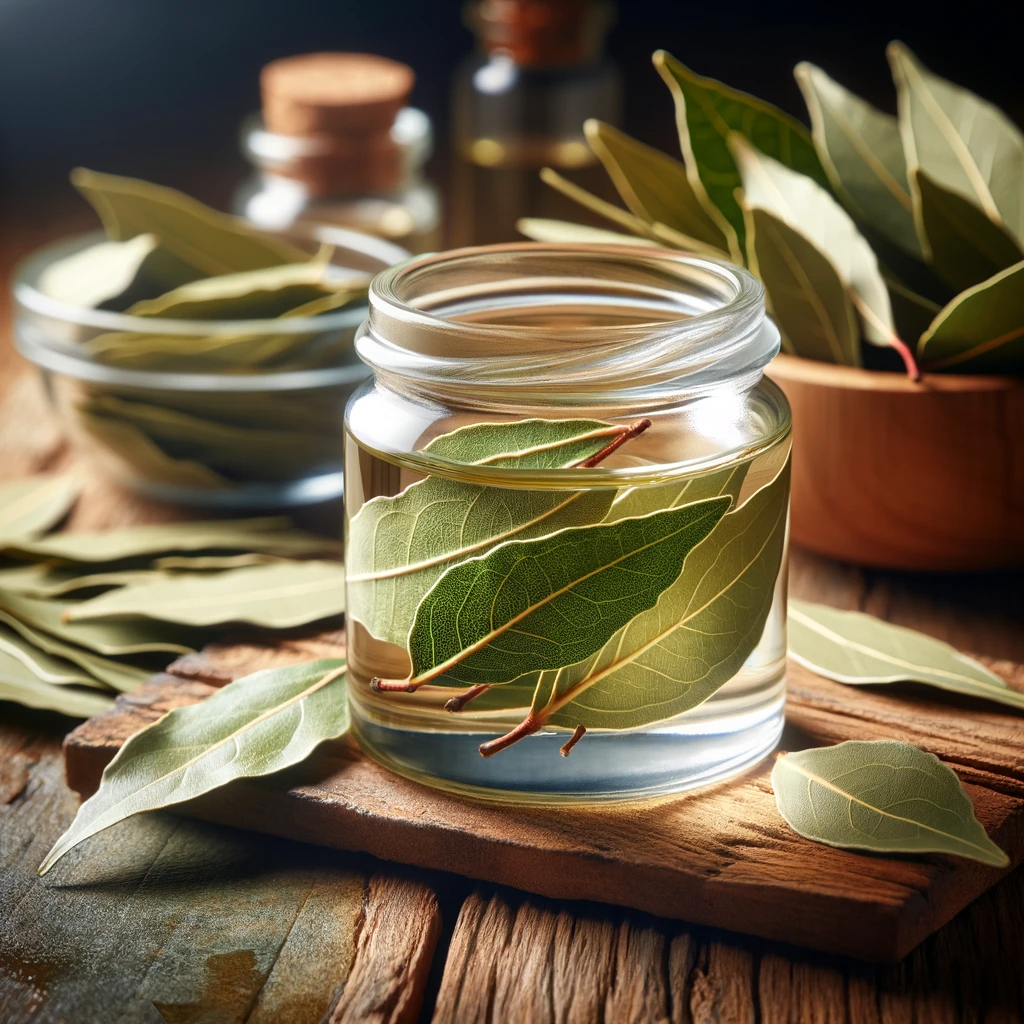
Dandruff is a common scalp condition that affects many, characterized by flakiness and sometimes an itchy scalp. While there are numerous commercial treatments available, natural remedies like bay leaves offer a gentle yet effective solution. Bay leaves, known for their aromatic and medicinal properties, can be used to treat dandruff and various other scalp issues. This article explores the benefits of bay leaves for hair and scalp health and provides a step-by-step guide to preparing and using a bay leaves rinse as an anti-dandruff cure.

The Healing Properties of Bay Leaves for Scalp Care

Bay leaves are not just culinary herbs; they possess potent properties beneficial for hair and scalp health. They act as a natural conditioner, combat fungal infections, reduce scalp inflammation, control hair shedding, stimulate hair growth, and effectively treat dandruff and lice.

Things Needed

  • 2 cups of pure water.
  • 1 ½ tablespoons of crushed bay leaves.

Steps to Prepare

  1. Boiling Water: Start by boiling the 2 cups of pure water.
  2. Infusing Bay Leaves: Once the water is boiled, remove it from heat and add the crushed bay leaves.
  3. Steeping: Allow the mixture to steep for an hour.
  4. Straining: After an hour, filter the mixture to remove the bay leaves, leaving you with a potent bay leaf-infused water.

How to Apply

  • After shampooing your hair, gently apply the bay leaves water to your scalp.
  • Massage the infusion into your scalp with your fingertips to ensure it reaches all areas.
  • Leave the treatment on your scalp for about an hour to allow the bay leaves’ properties to take effect.
  • Rinse off the treatment with water.

Benefits

  • Natural Conditioning: Bay leaves act as a natural conditioner, making hair softer and more manageable.
  • Fungal Protection: They offer protection against scalp fungal infections that can cause dandruff.
  • Inflammation Reduction: The anti-inflammatory properties help soothe the scalp.
  • Stimulates Hair Growth: Encourages healthy hair growth by nourishing the scalp.
  • Dandruff Treatment: Effectively reduces dandruff with regular use.
  • Lice Removal: Can aid in eliminating head lice.

Precautions

  • Ensure you’re not allergic to bay leaves by conducting a patch test.
  • Avoid using hot bay leaves water directly on your scalp to prevent burns.

Tips for Enhanced Effectiveness

  • Use fresh bay leaves for a more potent infusion.
  • Incorporate this treatment into your regular hair care routine for the best results.
  • Complement the bay leaves treatment with a balanced diet to support hair health from within.

Additional Insights: Integrating Bay Leaves into Hair Care

Alongside the bay leaves rinse, maintaining proper scalp hygiene and minimizing the use of harsh hair products can further improve scalp health and reduce dandruff.

Conclusion

Bay leaves offer a natural and effective way to combat dandruff and promote overall scalp health. By following the steps outlined in this guide, you can prepare and apply a bay leaves rinse to harness the herb’s benefits. Regular use can lead to a healthier scalp, reduced dandruff, and enhanced hair growth, showcasing the power of natural remedies in hair care.
Filed Under: Hair Care Tagged With: anti-inflammatory scalp treatment, bay leaf benefits, bay leaves for hair, beauty tips, DIY Hair Care, fungal infection remedy, hair care, hair growth stimulation, herbal scalp treatment, Homemade Hair Remedies, lice treatment, natural dandruff cure, natural hair conditioner, reducing hair shedding, scalp health, scalp massage, treating itchy scalp

Neem and Tea Tree Oils: Potent Fungal Fighters for Scalp Health

May 14, 2024 by sharvayonibeauty Leave a Comment

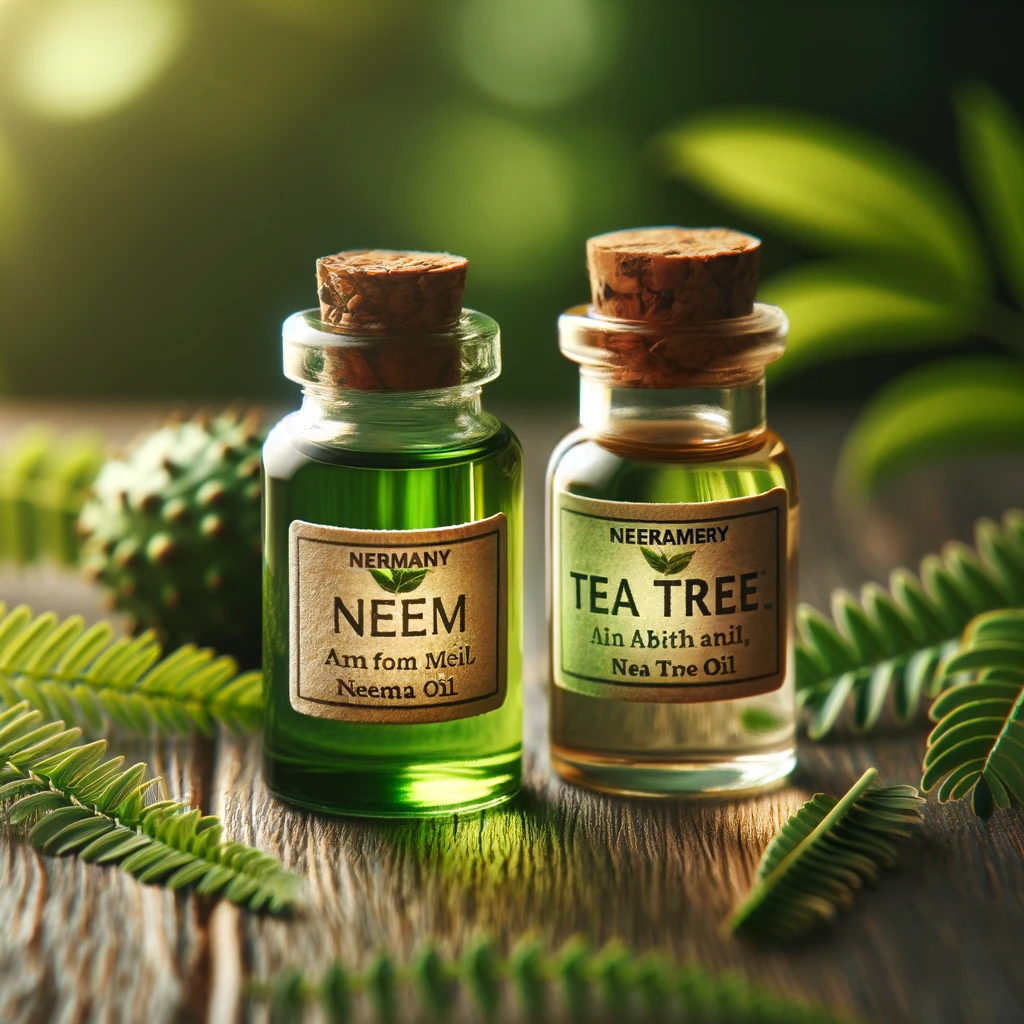
Scalp issues like fungal infections, dandruff, ringworm, bacteria, scalp acne, and head lice not only cause discomfort but also affect hair health and self-confidence. A natural remedy combining neem and tea tree oils, known for their potent antifungal and antibacterial properties, offers a powerful solution to these problems. This article delves into preparing and using a neem and tea tree oil blend to restore scalp health.

The Power of Neem and Tea Tree Oils in Scalp Care

Neem and tea tree oils are celebrated for their natural ability to combat fungal and bacterial infections. When used together, they form a synergistic blend that enhances scalp health, making them effective against a wide range of scalp conditions.

Things Needed

  • 5 drops of neem oil.
  • 5 drops of tea tree oil.
  • 1 tablespoon of coconut or olive oil (as a carrier oil).

Steps to Prepare

  1. Creating the Oil Blend: In a small bowl, mix the neem and tea tree oils with coconut or olive oil. The carrier oil dilutes the potent essential oils, making the blend safe for direct scalp application.

How to Apply

  • Apply the oil mixture directly to your scalp, focusing on areas most affected by fungal infections, dandruff, or other conditions.
  • Gently massage the blend into your scalp to ensure even distribution and to stimulate blood circulation.
  • Cover your head with a shower cap or towel to maximize absorption.
  • Leave the oil on your scalp for at least 20 minutes, or overnight for more intensive treatment.
  • Wash your hair with a high-quality anti-fungus or anti-dandruff shampoo.

Benefits

  • Antifungal and Antibacterial: Targets the root cause of dandruff, scalp acne, and other infections.
  • Moisturizing: Coconut or olive oil moisturizes the scalp, preventing dryness and flakiness.
  • Promotes Scalp Health: Regular use leads to a healthier scalp, free from irritation and infections.
  • Stimulates Hair Growth: A healthy scalp environment is conducive to hair growth.

Precautions

  • Conduct a patch test before full application to ensure no allergic reactions.
  • Avoid using excessive amounts of essential oils to prevent scalp irritation.

Tips for Enhanced Effectiveness

  • Warm the oil blend slightly before application for better penetration.
  • Combine this treatment with regular scalp hygiene practices.
  • Maintain a healthy diet to support overall scalp and hair health.

Additional Insights: Comprehensive Scalp Care

Treating scalp conditions effectively requires a holistic approach that includes both topical treatments and lifestyle adjustments for optimal scalp health.

Conclusion

The neem and tea tree oil blend is a natural, effective remedy for a variety of scalp issues, from fungal infections to dandruff. By incorporating this treatment into your hair care routine two to three times a week, you can achieve significant improvements in scalp health and hair quality. Remember, consistency is key to seeing lasting results and restoring your scalp to its natural, healthy state.

Filed Under: Hair Care Tagged With: anti-fungal scalp treatment, antibacterial scalp treatment, beauty tips, combating ringworm, effective scalp massage, Essential Oils for Hair, fungal infections treatment, hair care, hair growth promotion, head lice treatment, moisturizing with coconut oil, natural dandruff remedy, Natural Scalp Care, neem oil for scalp, olive oil for hair care, scalp acne solution, tea tree oil benefits

Coconut Hot Oil Massage: A Nourishing Treatment for Dandruff Relief

May 13, 2024 by sharvayonibeauty Leave a Comment

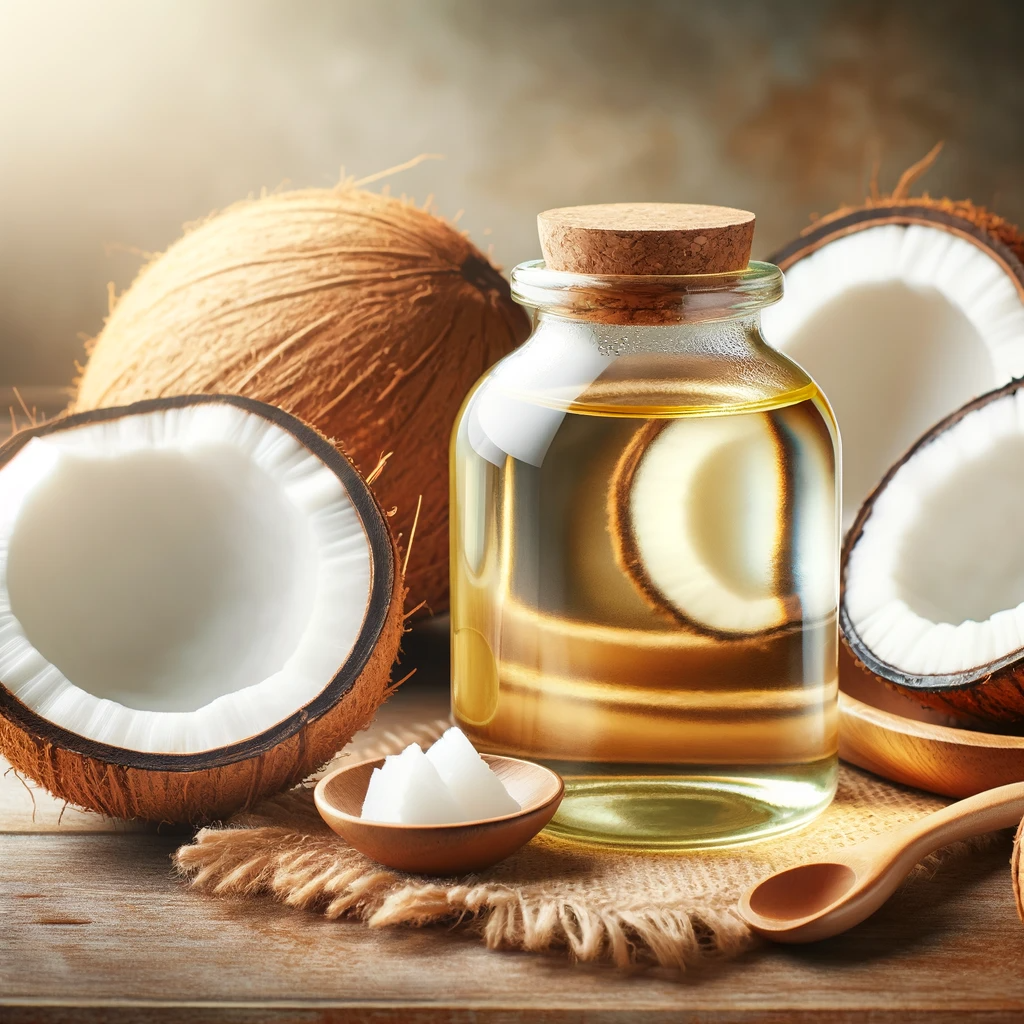
Dandruff can be a persistent issue, often causing discomfort and affecting the appearance of the hair. While coconut oil may not cure the root cause of dandruff, it can significantly alleviate symptoms like dryness and itchiness. Incorporating a coconut hot oil massage into your hair care routine can moisturize your scalp and reduce dandruff. This article provides a comprehensive guide on how to perform a coconut hot oil massage, along with additional tips for maximizing its benefits.

Understanding Dandruff and Its Management

Dandruff is typically caused by a dry scalp, fungal growth, or seborrheic dermatitis. Coconut oil’s moisturizing properties can help manage these symptoms, but it’s important to use it alongside other treatments for comprehensive dandruff control.

Things Needed

  • Coconut oil.
  • Optional: 5 drops of jojoba oil or rosemary oil, or 1 tablespoon of lemon juice.

Steps to Prepare

  1. Warming the Coconut Oil: Heat a sufficient amount of coconut oil until it’s warm but not hot enough to cause discomfort or burns.
  2. Adding Additional Ingredients: If desired, mix in jojoba or rosemary oil, or lemon juice for added benefits.

How to Apply

  • Apply the warm oil to your scalp, using gentle massage motions.
  • Ensure even distribution across the entire scalp.
  • Cover your head with a shower cap to maximize absorption.
  • Leave the oil on your scalp for at least 30 minutes, or overnight for deeper conditioning.
  • Wash your hair with a dandruff shampoo to remove the oil.

Benefits

  • Moisturizes Scalp: Coconut oil hydrates the scalp, reducing dryness and flakiness.
  • Soothes Itchiness: Offers relief from dandruff-induced itchiness.
  • Enhances Hair Growth: Regular massages can promote healthier and faster hair growth.
  • Prevents Dryness: Keeps the scalp nourished, preventing dryness which can lead to dandruff.

Precautions

  • Avoid overheating the oil to prevent scalp burns.
  • Conduct a patch test if you’re using essential oils for the first time.

Tips for Enhanced Effectiveness

  • Use virgin or cold-pressed coconut oil for the best results.
  • Massage your scalp gently to improve blood circulation.
  • Combine this treatment with a balanced diet rich in vitamins and minerals.

Additional Insights: Holistic Approach to Scalp Health

In addition to topical treatments, managing stress and maintaining overall health are crucial in combating dandruff.

Conclusion

A coconut hot oil massage is an effective method to moisturize the scalp and minimize dandruff. While it may not address the root cause of dandruff, regular application, combined with suitable dandruff shampoos and other remedies, can significantly improve scalp health. Consistency and patience are key to achieving the best results in your hair care routine.

Filed Under: Hair Care Tagged With: beauty tips, coconut hot oil massage, coconut oil benefits, dandruff relief, DIY Hair Treatment, effective scalp care, enhancing hair health, hair care, Hair Care Routine, hair growth promotion, Jojoba Oil for Scalp, lemon juice for hair, minimizing dandruff, moisturizing dry scalp, Natural hair care, scalp massage techniques, scalp moisturizing

Anti-Dandruff Honey Mask: A Natural Scalp Treatment

May 12, 2024 by sharvayonibeauty Leave a Comment

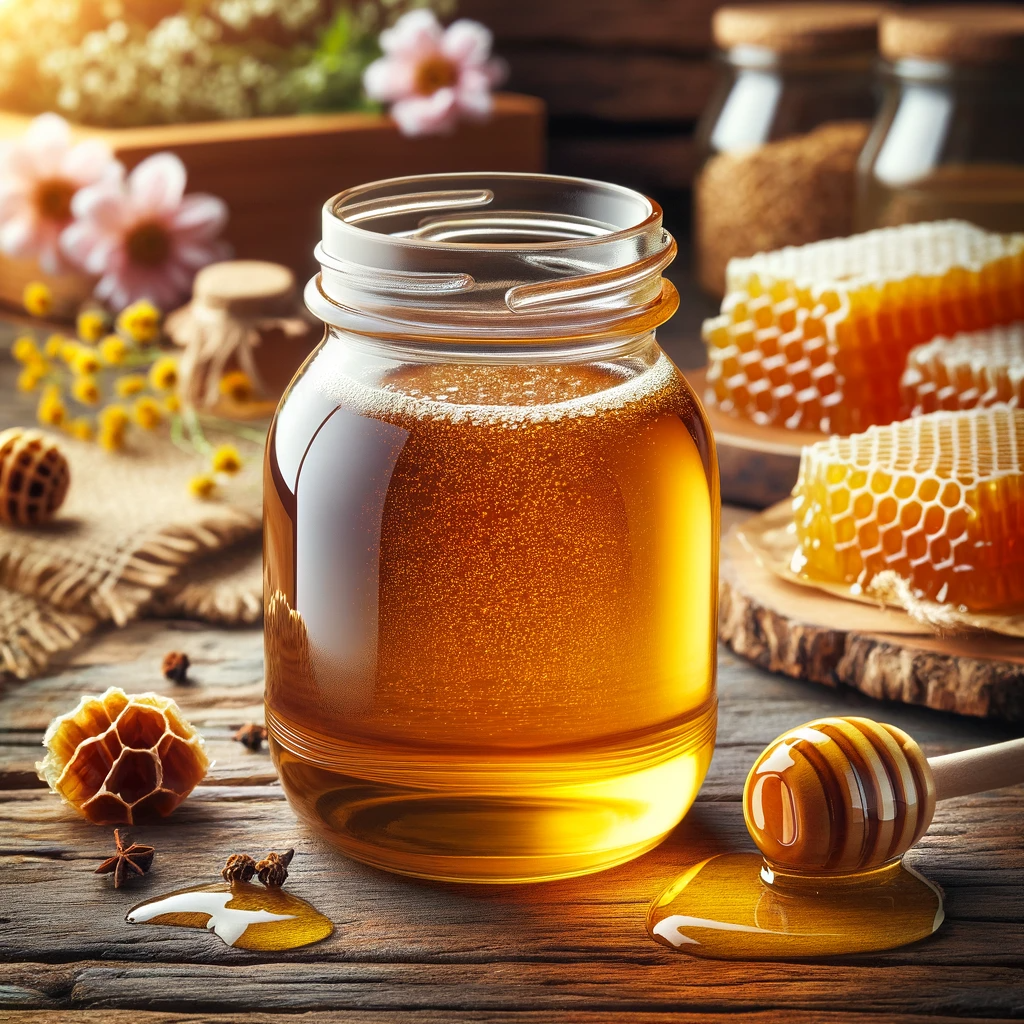
Dandruff is a common scalp issue that can cause discomfort and affect self-esteem. Natural remedies like an anti-dandruff honey mask, combining olive oil, honey, and black pepper essential oil, offer a gentle yet effective solution. This article outlines how to prepare and use this natural mask to combat dandruff.

The Benefits of Natural Ingredients for Scalp Health

Natural ingredients like honey and olive oil are known for their nourishing properties, while black pepper essential oil can stimulate the scalp. This combination can effectively address the root causes of dandruff.

Things Needed

  • 2 tablespoons of extra-virgin olive oil.
  • 1 tablespoon of pure honey.
  • 1 drop of black pepper essential oil.

Steps to Prepare

  1. Creating the Mask: In a bowl, mix the olive oil, honey, and black pepper essential oil until well combined.

How to Apply

  • Apply the mixture to dry hair, ensuring to focus on the scalp.
  • Gently massage the mask into the scalp for 10 minutes to enhance absorption and stimulate blood flow.
  • Rinse the hair thoroughly with warm water.
  • Follow up with your regular shampooing routine.

Benefits

  • Moisturizes Scalp: Olive oil and honey deeply nourish and hydrate the scalp.
  • Reduces Dandruff: The antifungal properties of the ingredients help reduce dandruff.
  • Stimulates Scalp: Black pepper essential oil stimulates blood flow to the scalp.
  • Improves Hair Health: Regular use can lead to healthier, shinier hair.

Precautions

  • Conduct a patch test to ensure you’re not allergic to any of the ingredients.
  • Be cautious with the amount of black pepper essential oil, as it is potent.

Tips for Enhanced Effectiveness

  • Use organic and pure ingredients for maximum benefits.
  • Warm the mixture slightly before application for better penetration.
  • Be gentle during the massage to avoid irritating the scalp.

Additional Insights: Holistic Approach to Dandruff Control

In addition to topical treatments, maintaining a balanced diet and reducing stress can help in managing dandruff.

Conclusion

The anti-dandruff honey mask is a simple, natural remedy for combating dandruff and improving scalp health. By incorporating this treatment into your weekly hair care routine, you can achieve a healthier scalp and more vibrant hair. Consistency and a holistic approach to scalp care are key to the effectiveness of natural remedies.

Filed Under: Hair Care Tagged With: anti-dandruff honey mask, beauty tips, black pepper essential oil, DIY dandruff remedy, effective scalp care, hair care, Hair Care Routine, Hair Health Improvement, healthy scalp tips, Honey for Hair, moisturizing scalp, Natural Hair Remedies, Natural Scalp Treatment, olive oil benefits, Organic Hair Treatment, reducing hair dandruff, scalp massage techniques

After Wash White Vinegar Rinse: A Crucial Step for Scalp Health

May 11, 2024 by sharvayonibeauty Leave a Comment

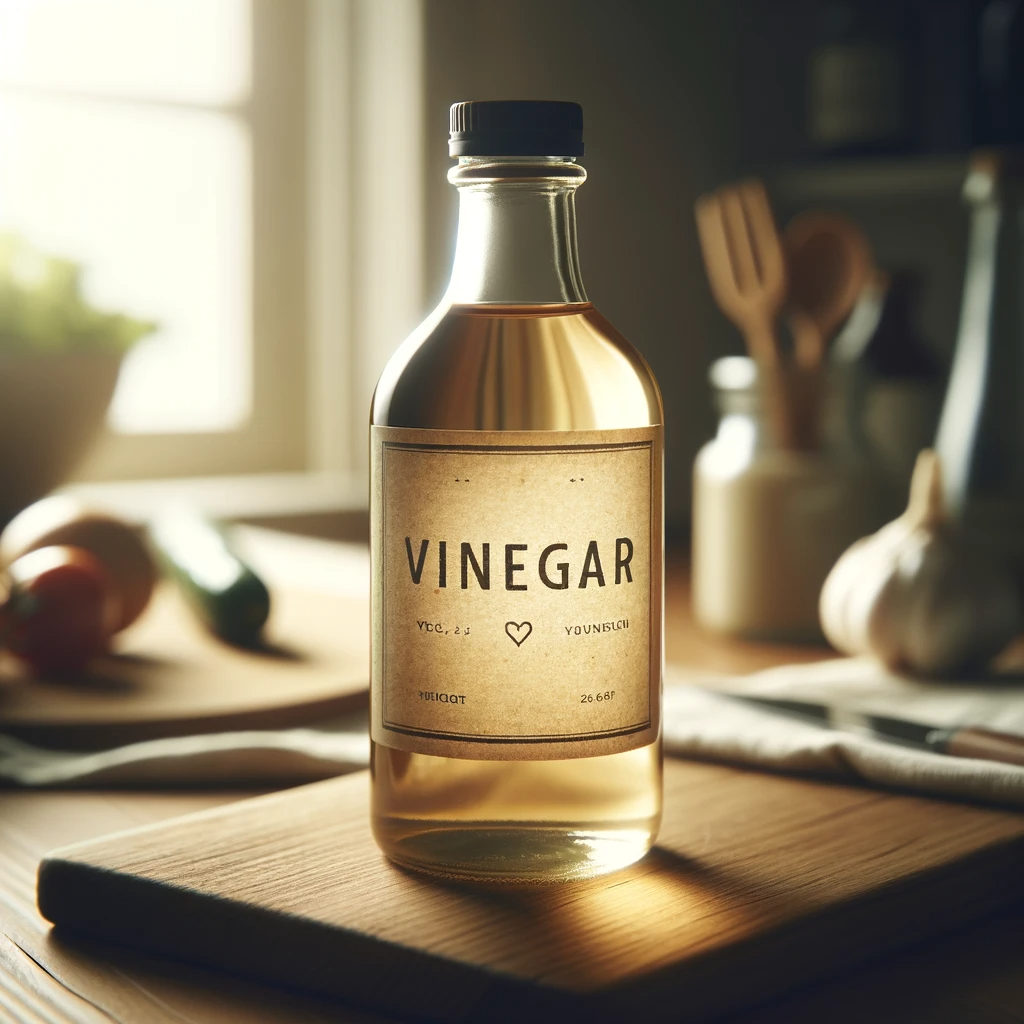
Complementing a pre-wash white vinegar tonic, an after-wash white vinegar rinse is a vital step in a comprehensive scalp care routine. This simple yet effective method can enhance the health of your hair and scalp, particularly in combating dandruff. This article will guide you through preparing and using an after-wash vinegar rinse, highlighting its benefits and the best practices for its application.

The Role of Vinegar in Hair Care

White vinegar, known for its acetic acid content, can help in balancing the pH of the scalp, removing product buildup, and enhancing hair shine. When used in conjunction with a pre-wash tonic, it maximizes the treatment’s effectiveness.

Things Needed

  • 2 tablespoons of white vinegar.
  • 1 cup of pure water.

Steps to Prepare

  1. Mixing the Rinse: In a container, combine the white vinegar with a cup of water.

How to Apply

  • After shampooing and conditioning your hair, use the vinegar mixture as a final rinse.
  • Pour the mixture evenly over your scalp and hair.
  • Ensure that the rinse covers the entire scalp and hair length.
  • Do not rinse your hair again after applying the vinegar mixture.
  • Proceed to apply your usual hair moisturizer.

Benefits

  • Enhances Scalp Health: Helps in maintaining a healthy scalp environment, reducing dandruff.
  • Removes Residues: Effectively cleanses the hair of any remaining shampoo or conditioner residues.
  • Restores Hair Shine: Leaves hair looking shiny and feeling smooth.
  • Balances pH: Vinegar’s natural acidity helps balance the pH of your hair and scalp.

Precautions

  • Dilute the vinegar properly to avoid any potential scalp irritation.
  • Avoid using hot water immediately after the vinegar rinse to prevent hair damage.

Tips for Enhanced Effectiveness

  • Use cool or lukewarm water for the final rinse to seal the hair cuticles.
  • Consider using an organic, unpasteurized vinegar for more natural benefits.
  • Regularly trim your hair to prevent split ends, which can exacerbate scalp issues.

Additional Insights: Complete Scalp Care

Alongside the vinegar rinse, maintain a balanced diet, stay hydrated, and avoid excessive heat styling to promote overall scalp and hair health.

Conclusion

The after-wash white vinegar rinse is a straightforward and effective way to improve scalp health, particularly when used in combination with a pre-wash vinegar tonic. Regular use of this rinse can lead to a healthier scalp, reduced dandruff, and shinier hair. Consistency and proper care are key to reaping the full benefits of this natural hair care treatment.

Filed Under: Hair Care Tagged With: after-wash vinegar rinse, balancing scalp pH, beauty tips, DIY Hair Rinse, effective scalp treatment, eliminating hair residues, hair care, Hair Care Routine, hair moisturizing methods, Hair shine enhancement, maintaining healthy hair, natural dandruff remedy, Organic Hair Treatment, scalp care tips, scalp health improvement, vinegar for hair, white vinegar benefits

  • « Go to Previous Page
  • Page 1
  • Page 2
  • Page 3
  • Page 4
  • Page 5
  • Interim pages omitted …
  • Page 56
  • Go to Next Page »

Primary Sidebar

Looking for something?

Connect with us online

  • Email
  • Facebook

Popular Posts!

Natural Remedies for Dry Skin: Nourish and Hydrate Your Skin with Banana and Honey

Unlock the Secret to Youthful and Radiant Skin with Soaked Almonds

Aloe Vera and Honey: A Natural Solution for Youthful Skin

Homemade shampoo using Neem and Shikakai

Natural Remedies for Hair Care: Harnessing the Power of Egg Yolks and Whites

Categories

  • Hair Care
  • Health and Wellness
  • Skin Care

Tags

beauty benefits beauty tips Chemical-Free Hair Care coconut oil curd curry leaves dark circles DIY Hair Care egg exfoliation eye care glowing skin hair care Hair Care Routine hair care tips hair growth Hair health Hair Health Improvement hair loss Hair Nourishment Hair Strengthening health and wellness honey hydration lemon lemon juice milk natural beauty natural conditioner natural face mask Natural hair care Natural Hair Growth Natural Hair Remedies natural ingredients natural remedies Natural remedy natural skincare olive oil radiant complexion radiant skin scalp health Scalp Nourishment skin care skincare skincare routine

© 2026 · Sharvayoni · Privacy Policy · Disclaimer