• Skip to main content
  • Skip to primary sidebar
  • HOME
  • SKIN CARE
  • HAIR CARE
  • HEALTH AND WELLNESS
  • CONTACT US

Sharvayoni

Unearth Nature's Magic - Your Path to Herbal Radiance and Wellnes

beauty tips

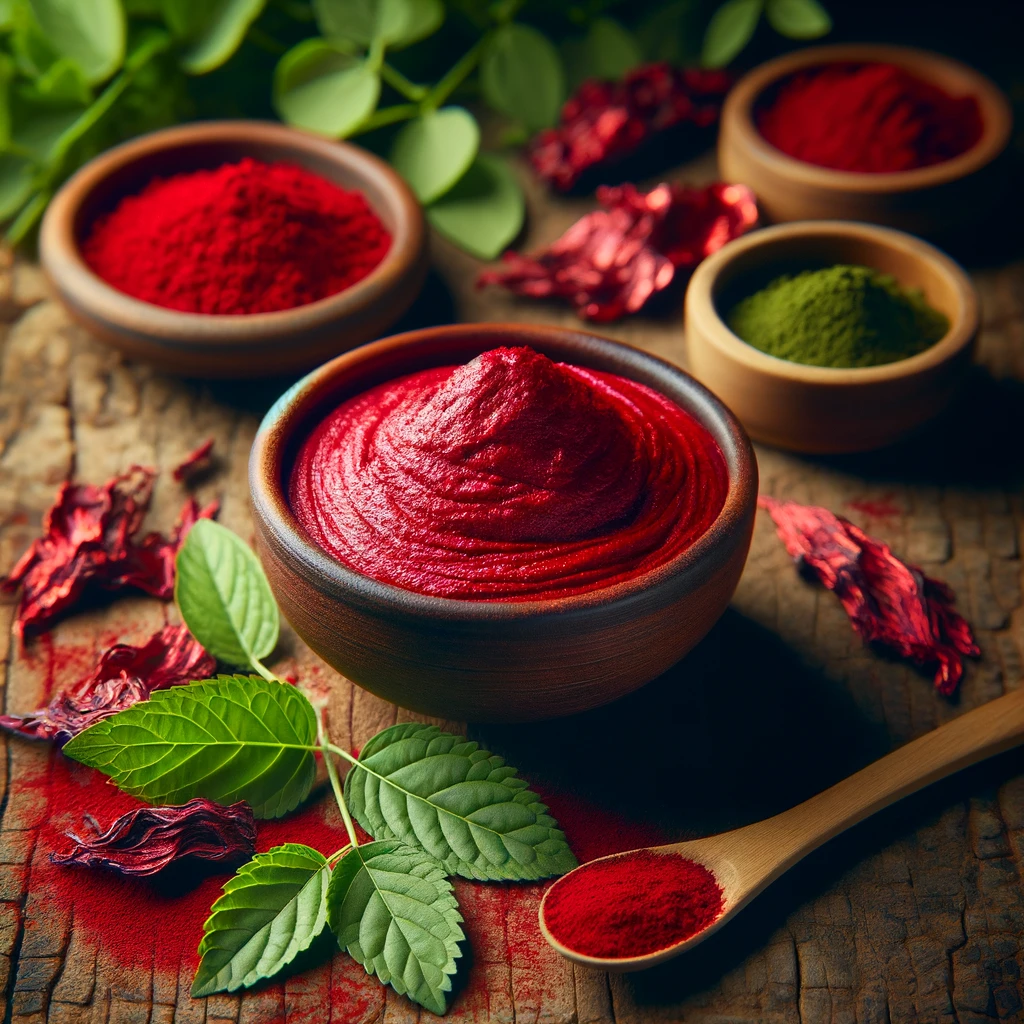
Crafting Reddish Hair Color Naturally: A Guide to Using Henna and Red Tea

May 18, 2024 by sharvayonibeauty Leave a Comment

For centuries, henna has been celebrated for its ability to dye hair in a range of earthy tones, from reddish to deep brown, depending on the original hair color and the ingredients mixed with it. This recipe elevates the traditional henna application by incorporating red tea, enhancing the reddish tones and offering a unique hue that can captivate the eye. This guide aims to provide a comprehensive approach to using these natural ingredients to achieve a beautiful reddish hair color, suitable for anyone looking to explore the benefits of natural hair dye.

Things Needed

  • 1 cup of natural Indian or Egyptian henna powder
  • 4 tablespoons of red tea leaves
  • Hot water (enough to blend the mixture into a dough-like consistency)

Additional tools:

  • A non-metallic bowl for mixing
  • A spoon or spatula for stirring
  • A shower cap or plastic wrap
  • Gloves to protect your hands from staining
  • An applicator brush (optional for ease of application)

Steps to Prepare

  1. Boil the Red Tea: Begin by boiling the red tea leaves in water for a few minutes. This process extracts the color from the tea, creating a potent dye solution. After boiling, turn off the heat and allow the tea to steep for 5 to 10 minutes.
  2. Mix Henna and Tea: Gradually add the red tea solution to the henna powder in a non-metallic bowl. Stir continuously until the mixture achieves a smooth, dough-like consistency. If the mixture is too thick, add more tea; if too runny, add a bit more henna powder.
  3. Let the Mixture Rest: Allow the henna mixture to sit for an hour or so, enabling the dye to release. This step is crucial for achieving the full color potential of the henna.

How to Apply

  1. Section Your Hair: Divide your hair into small sections to ensure even application. Starting from the roots, apply the henna mixture generously using your hands (with gloves) or an applicator brush.
  2. Cover Your Head: Once all sections are covered, wrap your head with a shower cap or plastic wrap. This keeps the henna moist and warm, enhancing the dye’s ability to penetrate the hair shafts.
  3. Wait: Leave the henna in your hair for at least two hours. For a deeper color, you can extend this period up to four hours or more, depending on your preference.
  4. Rinse: Rinse your hair thoroughly with warm water until all the henna is washed out. Avoid using shampoo immediately after rinsing as it can strip the color. Instead, apply a moisturizing conditioner or a deep hair mask to nourish your hair.

Benefits

  • Natural Coloring: Henna provides a safer alternative to chemical hair dyes, minimizing the risk of allergic reactions and hair damage.
  • Conditioning: Henna naturally conditions your hair, leaving it soft, shiny, and manageable.
  • Scalp Health: The antimicrobial properties of henna help maintain scalp health, potentially reducing issues like dandruff.

Precautions

  • Allergy Test: Conduct a patch test before full application to ensure you’re not allergic to henna.
  • Color Variability: The final color can vary based on your original hair color, the henna’s quality, and how long you leave the mixture in your hair.

Tips

  • Use Fresh Ingredients: For the best results, ensure your henna powder and red tea are fresh and of high quality.
  • Heat the Mixture: Applying the mixture while it’s slightly warm can enhance the dye uptake.
  • Avoid Metal Utensils: Metal can react with henna, affecting the color outcome. Use plastic, glass, or ceramic bowls and spoons instead.

Conclusion

Embracing the natural route for hair coloring can be a rewarding and health-conscious choice. This recipe for achieving a reddish hair color with henna and red tea not only offers a vibrant hue but also nurtures your hair with natural conditioning properties. While the process might seem more labor-intensive than using boxed dyes, the benefits of minimized chemical exposure and enhanced hair health are compelling reasons to give it a try. By following this guide, you’re not just coloring your hair; you’re embracing a centuries-old tradition

of natural beauty care, tailored for the modern enthusiast.
Filed Under: Hair Care Tagged With: beauty tips, chemical-free hair dye, DIY hair dye, hair care, hair care tips, henna and red tea recipe, henna hair dye, natural beauty remedies, natural hair coloring, Organic Hair Care, red tea for hair, sustainable beauty

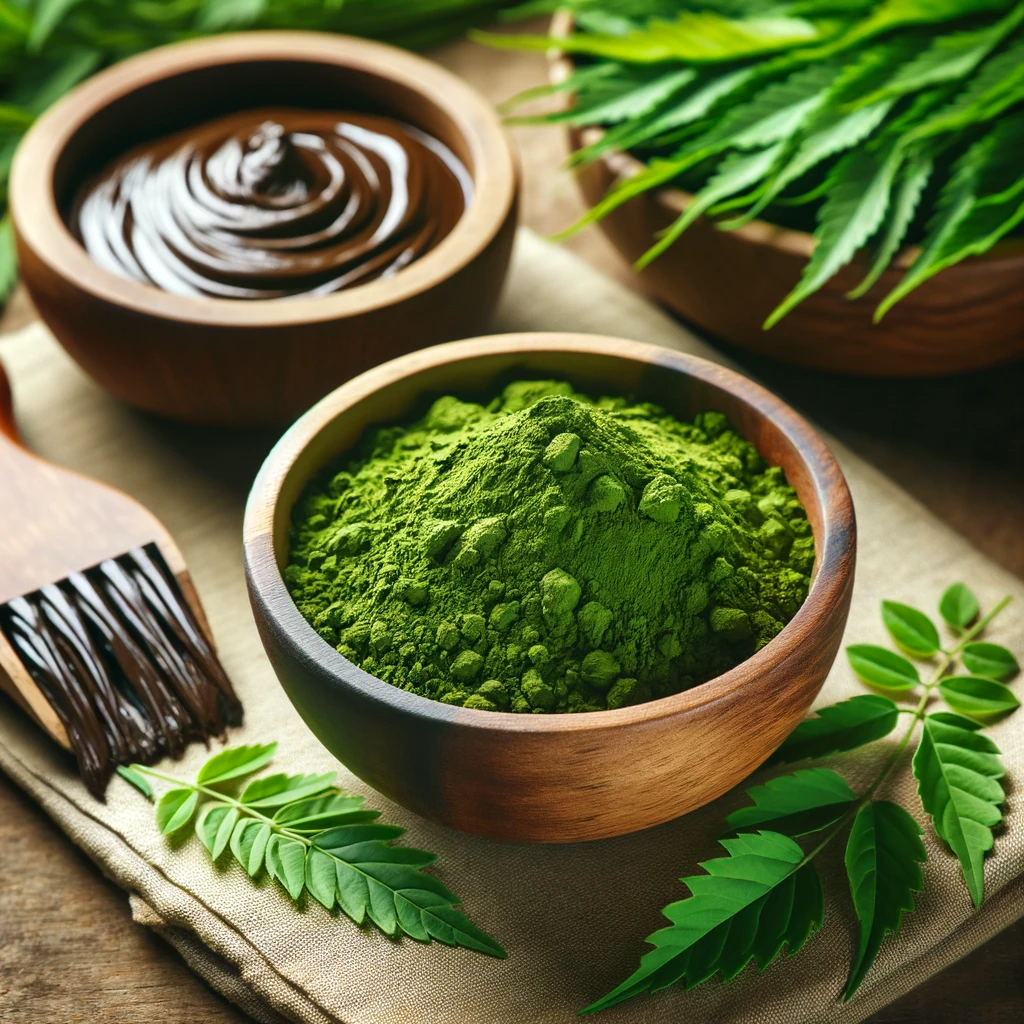
Embracing Nature: The Ultimate Guide to Natural Hair Dyes Using Henna

May 17, 2024 by sharvayonibeauty Leave a Comment

In the quest for vibrant hair colors and the covering of grays, many of us turn to hair dyes without a second thought to their composition. However, the stark reality is that these conventional dyes are laden with harsh chemicals such as ammonia, peroxide, p-phenylenediamine, diaminobenzene, toluene-2,5-diamine, resorcinol, and more. These ingredients not only pose a risk to our hair’s health, leading to damage from roots to ends and even hair loss, but also to our overall well-being.

Thankfully, nature offers us a bounty of alternatives that can color our hair beautifully without the adverse effects. Among these, Henna (or Mehandi) stands out as not just a personal favorite but also as a testament to the power and gentleness of natural hair dyes. Henna’s use dates back to ancient Egyptian and Indian civilizations, highlighting its long-standing trust and efficacy.

The Henna Advantage

Safety First: For those sensitive or allergic to chemical hair dyes, Henna presents a safe haven. It’s free from ammonia and harsh chemicals, offering a natural path to coloring your hair.

Fosters Hair Growth: Henna is more than just a dye; it’s a natural remedy that nourishes hair from roots to ends, encouraging stronger, thicker growth.

Protection: By coating the hair strands, Henna creates a protective layer that shields the hair from breakage, splitting, and damage from environmental factors like the sun and heat. This layer also adds volume, making thin hair appear thicker.

Health Benefits: Beyond hair care, Henna is known for its therapeutic properties, such as preventing headaches—a common practice in the Middle East—and healing scalp conditions by restoring the scalp’s acid-alkaline balance and preventing dandruff.

Tips for Using Henna

To ensure the best results with Henna, consider the following tips:

  • Moderation is Key: Use Henna no more than once a month to prevent drying and brittleness.
  • Application Conditions: Apply Henna to clean, wet hair for optimal results. Dry hair does not absorb Henna well.
  • Handling: Avoid brushing or combing your hair with Henna in it to prevent damage.
  • Post-Henna Coloring: Should you choose to switch back to chemical dyes after using Henna, wait until the treated hair grows out to avoid unexpected color results. For necessary dyeing, stick to dark colors.
  • Avoid Mixing Oil: Adding oil to Henna can alter its coloring effect and reduce its permanence.

Embracing natural hair dyes like Henna not only aligns with a healthier lifestyle but also pays homage to centuries-old traditions that celebrated beauty in harmony with nature. By choosing natural dyes, you’re not just making a cosmetic choice but a commitment to your health and the environment. Whether you’re looking to revive your hair color or embark on a new hair health journey, the natural path offers a rich palette of possibilities that nourish, protect, and beautify.

Filed Under: Hair Care Tagged With: ancient beauty remedies, beauty tips, chemical-free hair dye, hair care, hair growth, hair protection, healthy hair tips, henna, Mehandi, natural hair dye

Itching Scalp Formula: A Soothing Oil Blend for Relief

May 16, 2024 by sharvayonibeauty Leave a Comment

An itchy scalp can be more than just an annoyance; it can signify underlying scalp conditions, including dryness, dandruff, or even fungal infections. Finding relief is crucial for comfort and scalp health. A natural remedy, combining the soothing and healing properties of lavender, German chamomile, coconut, and eucalyptus oils, offers a potent solution to alleviate scalp itchiness. This article will guide you through creating and applying an effective itching scalp formula.

Understanding Itchy Scalp Causes and Natural Solutions

Scalp itchiness can arise from various factors, from environmental to physiological. Natural oils are renowned for their ability to address these issues gently and effectively, providing both immediate relief and long-term benefits.

Things Needed

  • Lavender oil
  • German chamomile oil
  • Coconut oil
  • Eucalyptus oil

Steps to Prepare

  1. Oil Mixture: Mix equal parts of lavender, German chamomile, coconut, and eucalyptus oils in a bowl. The coconut oil serves as a carrier oil, diluting the essential oils to make the blend safe for direct scalp application.
  2. Container Transfer: Pour the blended oils into a glass bottle or container for easy application.

How to Apply

  • Apply a small amount of the oil blend to your scalp, focusing on the areas most affected by itchiness.
  • Gently massage the oil into the scalp with your fingertips, using circular motions to enhance absorption and stimulate blood circulation.
  • Leave the oil on your scalp for at least 30 minutes or overnight for more intensive treatment.
  • Wash your hair with a gentle shampoo to remove the oil residue.

Benefits

  • Lavender Oil: Known for its soothing properties, lavender oil can reduce scalp inflammation and irritation.
  • German Chamomile Oil: Offers anti-inflammatory benefits, calming the scalp and reducing itchiness.
  • Coconut Oil: Moisturizes the scalp, addressing dryness that can lead to itchiness.
  • Eucalyptus Oil: With its cooling effect, eucalyptus oil provides immediate relief from itchiness.

Precautions

  • Conduct a patch test before applying the oil blend to your scalp to ensure no allergic reactions.
  • Avoid using excessive amounts of essential oils, as they can be potent.

Tips for Enhanced Effectiveness

  • Warm the oil blend slightly before application to increase its soothing effects.
  • For best results, incorporate the scalp massage into your regular hair care routine, applying the oil blend 2 to 3 times a week.
  • Maintain a healthy diet and stay hydrated to support scalp health from within.

Additional Insights: Integrating Scalp Care into Hair Health

A comprehensive approach to hair care includes regular scalp treatments, using natural remedies like this itching scalp formula, alongside proper nutrition and hydration.

Conclusion

The itching scalp formula, with its blend of lavender, German chamomile, coconut, and eucalyptus oils, offers a natural and effective way to alleviate scalp itchiness. By regularly applying this oil blend, you can enjoy the dual benefits of immediate itch relief and improved overall scalp health. Remember, consistency and attention to scalp care are key to maintaining a healthy, itch-free scalp.

Filed Under: Hair Care Tagged With: alleviate scalp itchiness, beauty tips, coconut oil for scalp, DIY scalp treatment, essential oil blend for scalp, essential oils for scalp, eucalyptus oil relief, German chamomile oil, hair care, itching scalp formula, lavender oil benefits, moisturizing scalp oil, natural scalp remedy, relieve itchy scalp, scalp care routine, scalp health improvement, scalp massage techniques

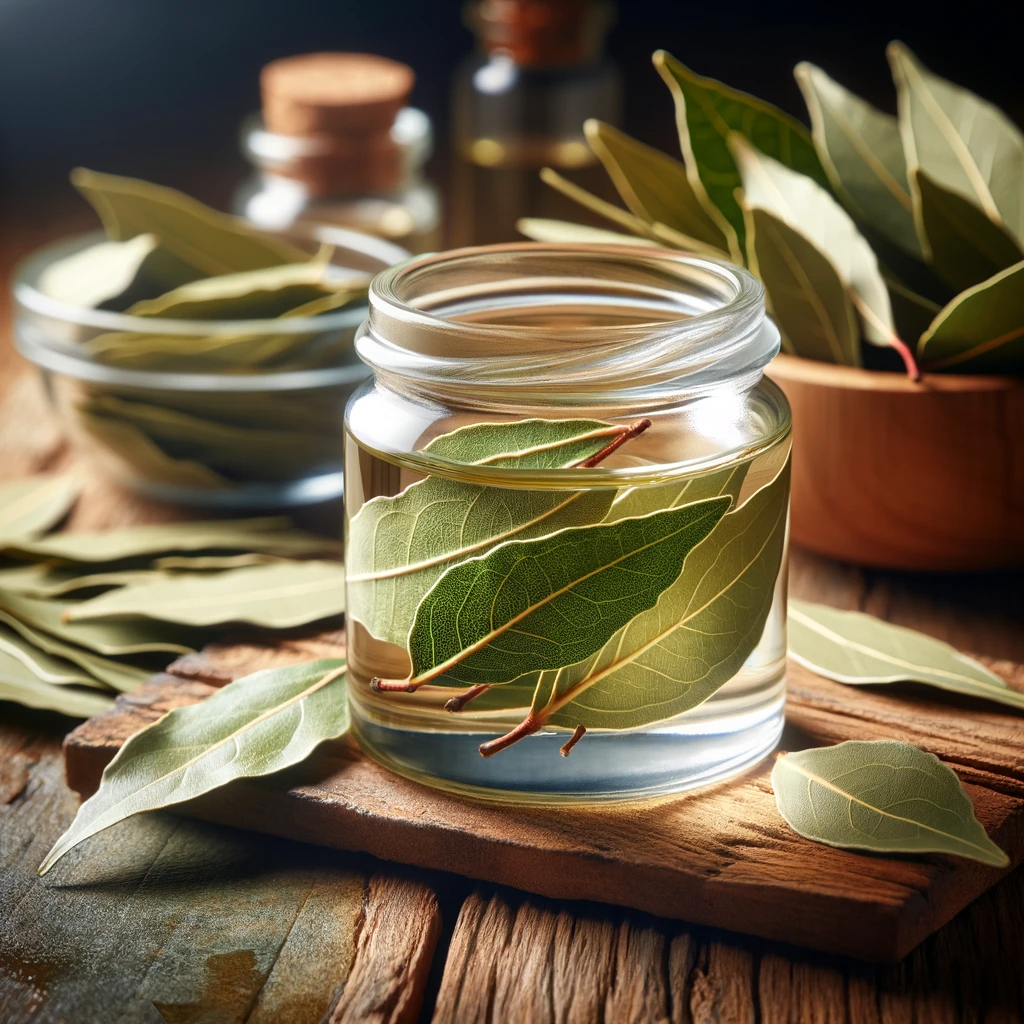
Bay Leaves Anti-Dandruff Cure: A Natural Scalp Treatment

May 15, 2024 by sharvayonibeauty Leave a Comment

Dandruff is a common scalp condition that affects many, characterized by flakiness and sometimes an itchy scalp. While there are numerous commercial treatments available, natural remedies like bay leaves offer a gentle yet effective solution. Bay leaves, known for their aromatic and medicinal properties, can be used to treat dandruff and various other scalp issues. This article explores the benefits of bay leaves for hair and scalp health and provides a step-by-step guide to preparing and using a bay leaves rinse as an anti-dandruff cure.

The Healing Properties of Bay Leaves for Scalp Care

Bay leaves are not just culinary herbs; they possess potent properties beneficial for hair and scalp health. They act as a natural conditioner, combat fungal infections, reduce scalp inflammation, control hair shedding, stimulate hair growth, and effectively treat dandruff and lice.

Things Needed

  • 2 cups of pure water.
  • 1 ½ tablespoons of crushed bay leaves.

Steps to Prepare

  1. Boiling Water: Start by boiling the 2 cups of pure water.
  2. Infusing Bay Leaves: Once the water is boiled, remove it from heat and add the crushed bay leaves.
  3. Steeping: Allow the mixture to steep for an hour.
  4. Straining: After an hour, filter the mixture to remove the bay leaves, leaving you with a potent bay leaf-infused water.

How to Apply

  • After shampooing your hair, gently apply the bay leaves water to your scalp.
  • Massage the infusion into your scalp with your fingertips to ensure it reaches all areas.
  • Leave the treatment on your scalp for about an hour to allow the bay leaves’ properties to take effect.
  • Rinse off the treatment with water.

Benefits

  • Natural Conditioning: Bay leaves act as a natural conditioner, making hair softer and more manageable.
  • Fungal Protection: They offer protection against scalp fungal infections that can cause dandruff.
  • Inflammation Reduction: The anti-inflammatory properties help soothe the scalp.
  • Stimulates Hair Growth: Encourages healthy hair growth by nourishing the scalp.
  • Dandruff Treatment: Effectively reduces dandruff with regular use.
  • Lice Removal: Can aid in eliminating head lice.

Precautions

  • Ensure you’re not allergic to bay leaves by conducting a patch test.
  • Avoid using hot bay leaves water directly on your scalp to prevent burns.

Tips for Enhanced Effectiveness

  • Use fresh bay leaves for a more potent infusion.
  • Incorporate this treatment into your regular hair care routine for the best results.
  • Complement the bay leaves treatment with a balanced diet to support hair health from within.

Additional Insights: Integrating Bay Leaves into Hair Care

Alongside the bay leaves rinse, maintaining proper scalp hygiene and minimizing the use of harsh hair products can further improve scalp health and reduce dandruff.

Conclusion

Bay leaves offer a natural and effective way to combat dandruff and promote overall scalp health. By following the steps outlined in this guide, you can prepare and apply a bay leaves rinse to harness the herb’s benefits. Regular use can lead to a healthier scalp, reduced dandruff, and enhanced hair growth, showcasing the power of natural remedies in hair care.

Filed Under: Hair Care Tagged With: anti-inflammatory scalp treatment, bay leaf benefits, bay leaves for hair, beauty tips, DIY Hair Care, fungal infection remedy, hair care, hair growth stimulation, herbal scalp treatment, Homemade Hair Remedies, lice treatment, natural dandruff cure, natural hair conditioner, reducing hair shedding, scalp health, scalp massage, treating itchy scalp

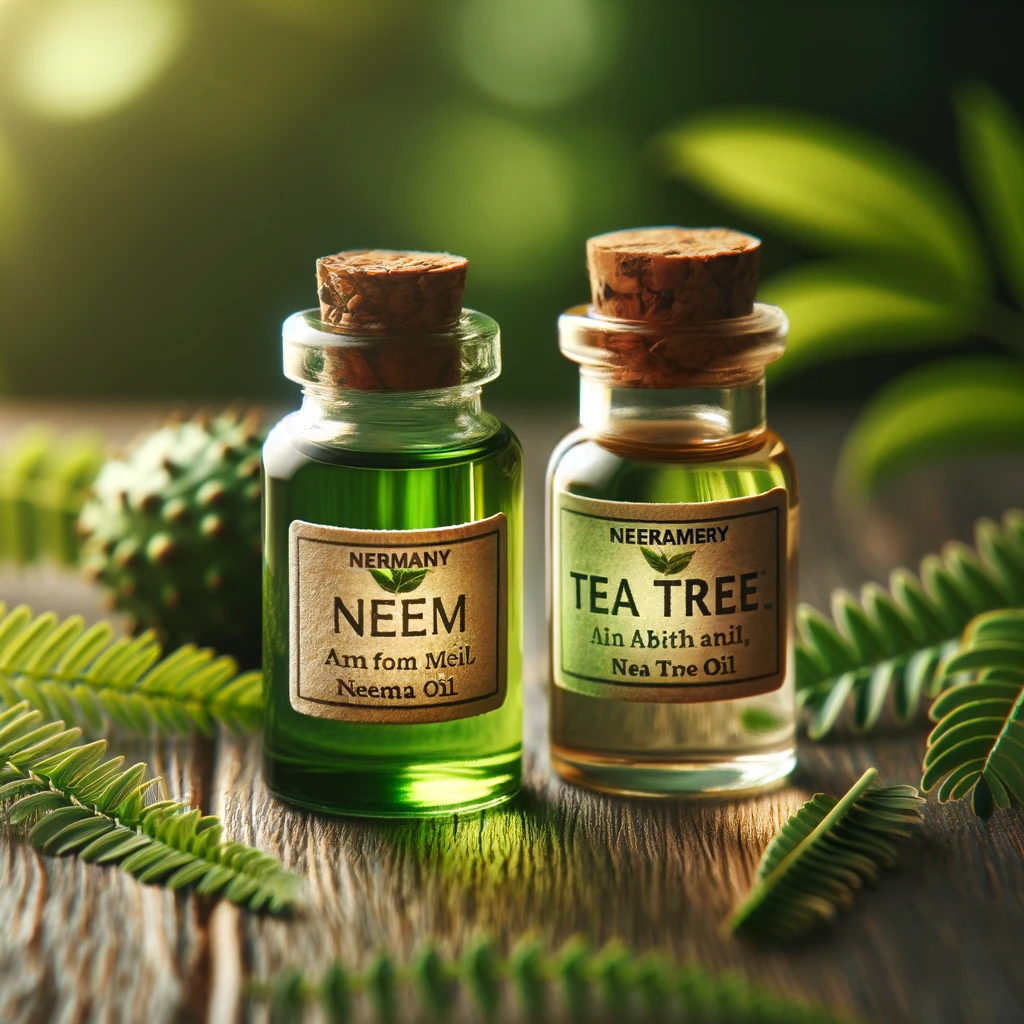
Neem and Tea Tree Oils: Potent Fungal Fighters for Scalp Health

May 14, 2024 by sharvayonibeauty Leave a Comment

Scalp issues like fungal infections, dandruff, ringworm, bacteria, scalp acne, and head lice not only cause discomfort but also affect hair health and self-confidence. A natural remedy combining neem and tea tree oils, known for their potent antifungal and antibacterial properties, offers a powerful solution to these problems. This article delves into preparing and using a neem and tea tree oil blend to restore scalp health.

The Power of Neem and Tea Tree Oils in Scalp Care

Neem and tea tree oils are celebrated for their natural ability to combat fungal and bacterial infections. When used together, they form a synergistic blend that enhances scalp health, making them effective against a wide range of scalp conditions.

Things Needed

  • 5 drops of neem oil.
  • 5 drops of tea tree oil.
  • 1 tablespoon of coconut or olive oil (as a carrier oil).

Steps to Prepare

  1. Creating the Oil Blend: In a small bowl, mix the neem and tea tree oils with coconut or olive oil. The carrier oil dilutes the potent essential oils, making the blend safe for direct scalp application.

How to Apply

  • Apply the oil mixture directly to your scalp, focusing on areas most affected by fungal infections, dandruff, or other conditions.
  • Gently massage the blend into your scalp to ensure even distribution and to stimulate blood circulation.
  • Cover your head with a shower cap or towel to maximize absorption.
  • Leave the oil on your scalp for at least 20 minutes, or overnight for more intensive treatment.
  • Wash your hair with a high-quality anti-fungus or anti-dandruff shampoo.

Benefits

  • Antifungal and Antibacterial: Targets the root cause of dandruff, scalp acne, and other infections.
  • Moisturizing: Coconut or olive oil moisturizes the scalp, preventing dryness and flakiness.
  • Promotes Scalp Health: Regular use leads to a healthier scalp, free from irritation and infections.
  • Stimulates Hair Growth: A healthy scalp environment is conducive to hair growth.

Precautions

  • Conduct a patch test before full application to ensure no allergic reactions.
  • Avoid using excessive amounts of essential oils to prevent scalp irritation.

Tips for Enhanced Effectiveness

  • Warm the oil blend slightly before application for better penetration.
  • Combine this treatment with regular scalp hygiene practices.
  • Maintain a healthy diet to support overall scalp and hair health.

Additional Insights: Comprehensive Scalp Care

Treating scalp conditions effectively requires a holistic approach that includes both topical treatments and lifestyle adjustments for optimal scalp health.

Conclusion

The neem and tea tree oil blend is a natural, effective remedy for a variety of scalp issues, from fungal infections to dandruff. By incorporating this treatment into your hair care routine two to three times a week, you can achieve significant improvements in scalp health and hair quality. Remember, consistency is key to seeing lasting results and restoring your scalp to its natural, healthy state.

Filed Under: Hair Care Tagged With: anti-fungal scalp treatment, antibacterial scalp treatment, beauty tips, combating ringworm, effective scalp massage, Essential Oils for Hair, fungal infections treatment, hair care, hair growth promotion, head lice treatment, moisturizing with coconut oil, natural dandruff remedy, Natural Scalp Care, neem oil for scalp, olive oil for hair care, scalp acne solution, tea tree oil benefits

  • « Go to Previous Page
  • Page 1
  • Page 2
  • Page 3
  • Page 4
  • Page 5
  • Page 6
  • Interim pages omitted …
  • Page 102
  • Go to Next Page »

Primary Sidebar

Looking for something?

Connect with us online

  • Email
  • Facebook

Popular Posts!

Organic Aloe Hair Gel: A Natural Alternative for Hair Styling

Natural remedy to improve your Hair care

The Healthy Approach to Weight Gain: Jackfruit and Honey

Naturally Glowing Skin: The Magic of Yogurt Face Masks

Tomatoes

Unlock the Beauty Secrets of Tomatoes: Achieve Youthful and Radiant Skin

Categories

  • Hair Care
  • Health and Wellness
  • Skin Care

Tags

beauty benefits beauty tips Chemical-Free Hair Care coconut oil curd curry leaves dark circles DIY Hair Care egg exfoliation eye care glowing skin hair care Hair Care Routine hair care tips hair growth Hair health Hair Health Improvement hair loss Hair Nourishment Hair Strengthening health and wellness honey hydration lemon lemon juice milk natural beauty natural conditioner natural face mask Natural hair care Natural Hair Growth Natural Hair Remedies natural ingredients natural remedies Natural remedy natural skincare olive oil radiant complexion radiant skin scalp health Scalp Nourishment skin care skincare skincare routine

© 2026 · Sharvayoni · Privacy Policy · Disclaimer