• Skip to main content
  • Skip to primary sidebar
  • HOME
  • SKIN CARE
  • HAIR CARE
  • HEALTH AND WELLNESS
  • CONTACT US

Sharvayoni

Unearth Nature's Magic - Your Path to Herbal Radiance and Wellnes

DIY hair color

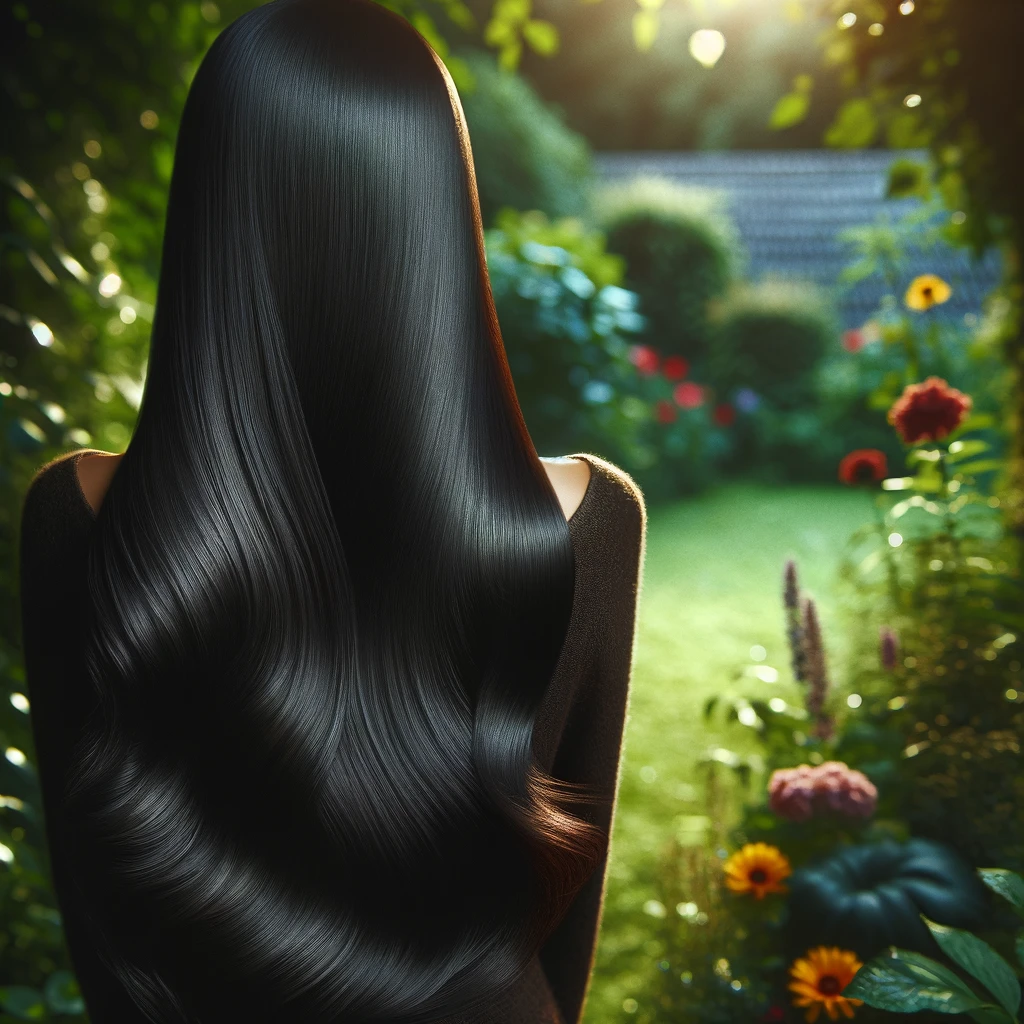
Achieving Rich Black Hair Naturally: A Dual Approach

May 23, 2024 by sharvayonibeauty Leave a Comment

Transitioning to natural hair color solutions is not just a trend but a healthier choice for many. Among the options, black henna and the black walnut-black tea combination stand out for their effectiveness in achieving black hair. While black henna offers a straightforward method, the black walnut and black tea recipe provides a more traditional approach. Both recipes aim to deliver lasting color, enhance hair health, and minimize potential damage associated with synthetic dyes.

Recipe #1: Black Henna for Hair

Things Needed

  • 1 pack of black henna powder
  • Boiling water
  • Non-metallic mixing bowl
  • Gloves to prevent staining
  • Shower cap or plastic wrap
  • Hair conditioner

Steps to Prepare

  1. Boil Water: Start by boiling enough water to mix with the henna powder.
  2. Prepare Henna Mixture: Pour the boiling water into the black henna powder gradually, stirring until you achieve a smooth, consistent paste.
  3. Let it Cool: Allow the mixture to cool down to a comfortable temperature for application.

How to Apply

  • Apply to Hair: Wear gloves to avoid staining your hands and apply the henna mixture evenly to your hair, ensuring full coverage.
  • Cover and Wait: Cover your hair with a shower cap or plastic wrap and leave the mixture on for at least two hours for the color to develop fully.
  • Rinse and Condition: Rinse your hair thoroughly with water and follow up with a conditioner to moisturize.

Benefits

  • Natural coloring agent with minimal risk of damage
  • Conditions and strengthens hair
  • Long-lasting color

Precautions

  • Conduct a patch test to avoid allergic reactions.
  • Use gloves to prevent staining of hands.

Tips

  • Apply petroleum jelly around your hairline to prevent skin staining.
  • For deeper color, extend the duration before rinsing.

Recipe #2: Black Walnut and Black Tea for Hair

Things Needed

  • ΒΌ cup of black walnut powder
  • 3 black tea bags
  • 2 cups of water
  • Pot for boiling
  • Strainer or cheesecloth
  • Shower cap

Steps to Prepare

  1. Boil Black Tea: Boil the black tea bags in water for about 10 minutes.
  2. Mix with Black Walnut Powder: Remove the tea bags and pour the hot tea over the black walnut powder, stirring until well combined.

How to Apply

  • Apply to Wet Hair: After shampooing, apply the mixture to wet hair, ensuring even coverage.
  • Leave and Cover: Cover with a shower cap and leave the mixture on for a few hours to allow the color to penetrate.
  • Shampoo: Rinse out the mixture and shampoo your hair as usual.

Benefits

  • Provides a natural, dark tone to the hair
  • The tannins in black tea can add shine and enhance hair color
  • Black walnut is known for its strong natural dye properties

Precautions

  • Black walnut can stain skin and fabrics, so use gloves and old towels.
  • Conduct a patch test, especially if you have sensitive skin.

Tips

  • For a stronger color, you can leave the mixture on overnight.
  • Reapply every few weeks to maintain the color intensity.

Conclusion

Choosing a natural path to achieve black hair color offers not just a safer alternative to chemical dyes but also nourishes and enhances the health of your hair. Whether you prefer the simplicity of black henna or the traditional blend of black walnut and black tea, both recipes provide effective solutions to darkening your hair naturally. By following the detailed steps and tips provided, you can enjoy rich, vibrant black hair color, embracing the beauty of natural ingredients while maintaining the integrity of your hair’s health.
Filed Under: Hair Care Tagged With: beauty tips, black henna, black tea hair color, black walnut powder, chemical-free hair dye, DIY hair color, eco-friendly hair coloring, hair care, hair care tips, Homemade Hair Treatments, natural beauty solutions, natural hair dye

Enhancing Your Hair Color Naturally: Roselle, Saffron, and Henna

May 19, 2024 by sharvayonibeauty Leave a Comment

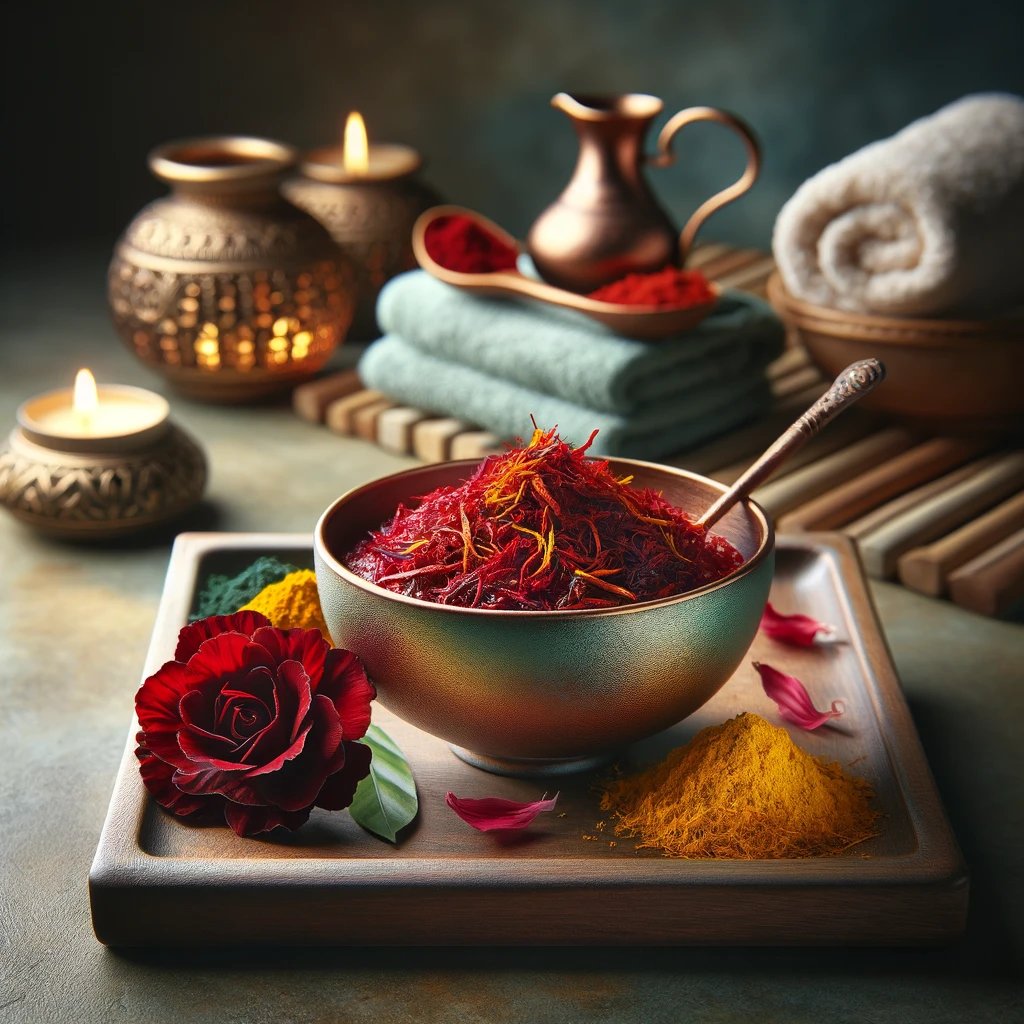
The journey towards achieving a reddish hue in your hair doesn’t have to involve harsh chemicals. Nature offers a palette of colors, among which Roselle, Saffron, and Henna are particularly notable for their dyeing properties. This recipe is not just about changing hair color; it’s about embracing a holistic approach to beauty that respects both your health and the environment. Through this guide, you will learn how to prepare and apply a hair color mixture that is as beneficial as it is beautiful.

Things Needed

  • 1 tablespoon of Roselle (dried)
  • 2 tablespoons of Saffron threads
  • 1 cup of natural Henna powder
  • Hot water (sufficient to create a smooth paste)
  • A non-metallic mixing bowl
  • A wooden or plastic spoon for mixing
  • Gloves to prevent staining your hands
  • A hair wrap or shower cap
  • An old towel or shirt to protect your clothing

Steps to Prepare

  1. Boiling Roselle and Saffron: Begin by adding the Roselle and Saffron to a pot of water. Bring the mixture to a boil, then simmer for 15 to 20 minutes. This process extracts the colors and properties of the herbs, creating a potent dye.
  2. Mixing with Henna: Pour the hot herbal water through a strainer directly into the Henna powder in a non-metallic bowl. Stir continuously until you achieve a smooth, consistent paste. Adjust the thickness by adding more water or Henna, as needed.
  3. Letting the Mixture Rest: Allow the mixture to sit for an hour. This resting period lets the Henna fully absorb the herbal dye, enhancing the final color’s richness and depth.

How to Apply

  1. Preparation: Wear your gloves and drape an old towel or shirt over your shoulders to protect your clothing. Divide your hair into sections to ensure even application.
  2. Application: Apply the paste thoroughly to each section of your hair, from roots to tips, ensuring complete coverage. Use your fingers (with gloves) or a dye brush for an even application.
  3. Covering: Once all hair is covered, wrap your head with a hair wrap or shower cap. This helps maintain the mixture’s warmth and moisture, improving dye uptake.
  4. Waiting: Leave the mixture in your hair for 2 to 3 hours. The duration can affect the depth of the color; longer times may result in a richer hue.
  5. Rinsing: Rinse your hair thoroughly with lukewarm water until all the paste is removed. Avoid using shampoo for the first 24 hours to allow the color to set in fully.

Benefits

  • Natural Dyeing: This recipe offers a chemical-free alternative to conventional hair dyes, reducing the risk of scalp irritation and hair damage.
  • Conditioning Properties: Henna acts as a natural conditioner, improving hair texture and adding shine.
  • Antioxidant Rich: Both Roselle and Saffron are rich in antioxidants, which can help protect hair from environmental damage.

Precautions

  • Allergy Test: Always perform a patch test before applying the mixture to your entire head, especially if you have sensitive skin.
  • Stain Prevention: The paste can stain fabrics and surfaces, so take appropriate precautions to protect your environment and wear old clothes during the application.

Tips

  • Enhancing Color: Adding a teaspoon of vinegar or lemon juice to the mixture can help enhance the color release from the Henna.
  • Heat Application: Applying gentle heat (such as with a hairdryer over the shower cap) can intensify the dyeing process.
  • Post-Application Care: Using a silicone-free conditioner after rinsing can help seal the cuticles and lock in the color.

Additional Considerations

Customizing the Color

Experiment with the ratios of Roselle and Saffron to adjust the final color tone to your liking. More Roselle can give a deeper reddish tint, while Saffron adds a golden hue.

Longevity and Fading

Natural dyes tend to fade more gracefully than chemical dyes. To maintain the color, you may need to reapply every 4 to 6 weeks, depending on your hair growth and washing

frequency.

Conclusion

Achieving a beautiful reddish hair color with Roselle, Saffron, and Henna is not only possible but also beneficial for your hair’s health. This natural recipe offers a sustainable and health-conscious alternative to synthetic dyes, embracing the power of nature to transform and beautify your hair. By following this guide, you can enjoy a vibrant hair color that reflects your commitment to natural beauty solutions.

Filed Under: Hair Care Tagged With: beauty tips, chemical-free dye, DIY hair color, hair care, hair coloring guide, homemade hair dye, natural beauty solutions, natural hair dye, Organic Hair Care, Roselle and henna, saffron hair color, sustainable hair care

Primary Sidebar

Looking for something?

Connect with us online

  • Email
  • Facebook

Popular Posts!

Natural Hair Pack to Keep Your Hair Strong with Eggs and Shikakai

How To Gain Weight Naturally With Duck Eggs

Get rid of Dry Hair Naturally using Hibiscus and Aloe Vera

Nourish and Hydrate: Moisturize Dry Skin with Essential Oils

Unlock the Secret to Youthful and Radiant Skin with Soaked Almonds

Categories

  • Hair Care
  • Health and Wellness
  • Skin Care

Tags

beauty benefits beauty tips Chemical-Free Hair Care coconut oil curd curry leaves dark circles DIY Hair Care egg exfoliation eye care glowing skin hair care Hair Care Routine hair care tips hair growth Hair health Hair Health Improvement hair loss Hair Nourishment Hair Strengthening health and wellness honey hydration lemon lemon juice milk natural beauty natural conditioner natural face mask Natural hair care Natural Hair Growth Natural Hair Remedies natural ingredients natural remedies Natural remedy natural skincare olive oil radiant complexion radiant skin scalp health Scalp Nourishment skin care skincare skincare routine

© 2026 · Sharvayoni · Privacy Policy · Disclaimer