• Skip to main content
  • Skip to primary sidebar
  • HOME
  • SKIN CARE
  • HAIR CARE
  • HEALTH AND WELLNESS
  • CONTACT US

Sharvayoni

Unearth Nature's Magic - Your Path to Herbal Radiance and Wellnes

dental health

Achieve Whiter Teeth Naturally with Aloe Vera: A Comprehensive Guide

March 22, 2019 by sharvayonibeauty Leave a Comment

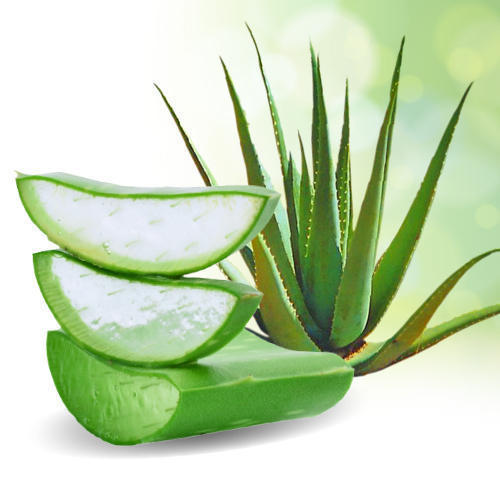
Aloe Vera, often hailed as the “wonder plant,” is renowned for its numerous skin benefits. However, it’s not just limited to skincare; Aloe Vera can also be a powerful ally in achieving whiter teeth. This natural remedy has been used for generations to brighten smiles and improve oral health. In this comprehensive guide, we will explore the step-by-step process of using Aloe Vera for teeth whitening, along with its benefits, precautions, and essential tips.

Things Needed

Before we delve into the process, let’s gather the essential ingredients and tools required for this natural teeth whitening remedy:

  1. Aloe Vera: Ensure you have fresh Aloe Vera gel or a trusted Aloe Vera product.
  2. Vegetable Glycerin: This ingredient will be mixed with Aloe Vera to create a toothpaste-like consistency.
  3. Baking Soda: A small amount of baking soda can be added to enhance the whitening effect. However, caution is necessary, as excessive use can affect tooth enamel.

Steps to Prepare

Creating an Aloe Vera-based toothpaste for whitening teeth is a straightforward process. Here’s how you can prepare it:

  1. Aloe Vera Extraction: If you have a fresh Aloe Vera plant, carefully extract the gel from one of its leaves. If using a store-bought Aloe Vera gel, ensure it is of high quality and does not contain additives.
  2. Mixing with Vegetable Glycerin: In a clean bowl, combine Aloe Vera gel with vegetable glycerin. The glycerin will help create a paste-like consistency and enhance the application.
  3. Add Baking Soda (Optional): If you choose to use baking soda, add a small amount to the mixture. Be cautious not to overdo it, as excessive baking soda can harm tooth enamel.

How to Apply

Now that you have prepared your Aloe Vera-based toothpaste, it’s time to learn how to apply it effectively:

  1. Brushing with Aloe Vera Paste: If you are accustomed to using regular toothpaste, start by brushing your teeth with your usual toothpaste. This will ensure that your teeth are properly cleaned before applying the Aloe Vera paste.
  2. Gentle Massage: After brushing, apply the Aloe Vera paste to your teeth and gums. Gently massage the paste onto your teeth using your finger or a soft toothbrush.
  3. Leave for a Few Minutes: Allow the Aloe Vera paste to sit on your teeth for a few minutes. This will give it time to work its magic.
  4. Rinse Thoroughly: Rinse your mouth thoroughly with water, ensuring that all traces of the paste are removed.

Precautions

While Aloe Vera is generally safe for dental use, there are a few precautions to keep in mind:

  • Moderation with Baking Soda: If you choose to add baking soda, use it sparingly. Excessive use can lead to enamel damage.
  • Quality Matters: Ensure you use high-quality Aloe Vera gel without additives or preservatives.
  • Allergic Reactions: While rare, some individuals may be allergic to Aloe Vera. Perform a patch test before using it on your teeth to check for any adverse reactions.

Tips

To make the most of your Aloe Vera teeth whitening routine, consider these additional tips:

  • Consistency is Key: Regular use of Aloe Vera paste is more likely to yield noticeable results. Make it a part of your daily oral care routine.
  • Balanced Diet: Maintain a balanced diet rich in fruits and vegetables to support overall oral health.
  • Oral Hygiene: Don’t neglect regular brushing, flossing, and dental check-ups while using Aloe Vera for teeth whitening.
  • Stay Hydrated: Drinking plenty of water helps flush away bacteria and maintain oral health.

Benefits

Using Aloe Vera for teeth whitening offers several benefits:

  • Natural Whitening: Aloe Vera’s natural properties help whiten teeth without harsh chemicals.
  • Anti-Inflammatory: Aloe Vera fights inflammatory bacteria, promoting oral health.
  • Cavity Prevention: It is effective against cavities and root canal issues.
  • Gentle on Enamel: When used in moderation, Aloe Vera is gentle on tooth enamel.
  • No Harsh Chemicals: Unlike commercial whitening products, Aloe Vera avoids harsh chemicals.

Conclusion

Achieving whiter teeth naturally with Aloe Vera is not only effective but also gentle on your oral health. This comprehensive guide has outlined the steps to prepare and apply Aloe Vera paste, along with essential precautions and tips. By incorporating this natural remedy into your dental care routine, you can enjoy a brighter and healthier smile without the use of harsh chemicals. Remember that consistency is key, and maintaining overall oral hygiene remains crucial. Embrace the natural benefits of Aloe Vera and revel in the confidence of a radiant smile.
Filed Under: Skin Care Tagged With: aloe vera, Aloe Vera benefits, Aloe Vera toothpaste, beauty tips, dental health, Natural remedy, oral care, skin care, teeth whitening, teeth whitening tips, white teeth

Mint Leaves for Teeth Whitening: A Natural Remedy

March 21, 2019 by sharvayonibeauty Leave a Comment

Stained teeth can be a source of discomfort and self-consciousness, leading many individuals to explore teeth whitening solutions. While commercial products abound, natural remedies using readily available kitchen ingredients offer a cost-effective and chemical-free alternative. In this article, we’ll delve into the use of mint leaves for teeth whitening—an easy and natural method that can help restore your smile’s radiance.

Things Needed

Before embarking on your journey to whiter teeth using mint leaves, ensure you have the following items:

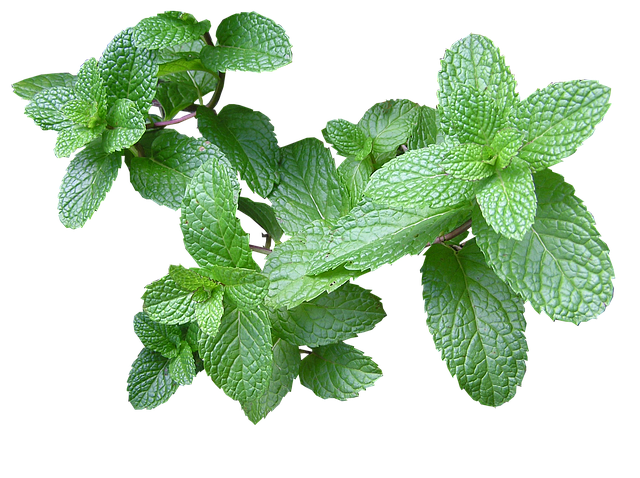
  • A cup of fresh mint leaves (known as Pudina in Tamil)

The freshness of the mint leaves is crucial for achieving the best results.

Steps to Prepare

The process of preparing mint leaves for teeth whitening is simple and can be accomplished as follows:

  1. Drying Mint Leaves: Begin by taking the cup of mint leaves and thoroughly drying them.
  2. Crushing into Powder: Once the mint leaves are dry, proceed to crush them into a fine powder. This powder will serve as a natural teeth whitening agent.

How to Apply

Applying mint leaves for teeth whitening is uncomplicated and can be done as follows:

  1. Brushing with Mint Leaves: Take a small amount of the mint leaf powder and use it to brush your teeth thoroughly.
  2. Combination with Toothpaste (Optional): If you prefer using toothpaste, you can start by brushing your teeth with toothpaste and then apply the mint leaf powder for an added whitening effect.

Precautions

While using mint leaves for teeth whitening is generally safe, there are some precautions to keep in mind:

  • Sensitive Teeth: Individuals with sensitive teeth should exercise caution when using mint leaves, as they may experience increased sensitivity. Consult your dentist if you have sensitive teeth before starting this method.
  • Allergic Reactions: To rule out any allergic reactions, conduct a patch test by applying a small amount of the mint leaf powder to a small area of your skin. Monitor for any signs of irritation or allergies before proceeding with teeth brushing.

Tips

To maximize the effectiveness of mint leaves for teeth whitening, consider the following tips:

  • Consistent Use: Incorporate this natural teeth whitening method into your daily oral hygiene routine for consistent and noticeable results.
  • Maintain Good Oral Hygiene: Continue practicing good oral hygiene habits, such as regular brushing, flossing, and dental check-ups, to ensure overall dental health.

Benefits

Utilizing mint leaves for teeth whitening offers numerous benefits:

  • Anti-Bacterial Properties: Mint leaves possess anti-bacterial and anti-inflammatory properties, helping combat bacterial build-up and reducing the risk of infections, thus promoting fresher breath.
  • Strengthening Tooth Enamel: The vitamins and minerals found in mint leaves contribute to stronger tooth enamel, enhancing overall dental health.
  • Natural Moisture: Mint leaves help maintain the moisture and freshness of your teeth and mouth, resulting in a clean and comfortable sensation.
  • Cost-Effective: This method is cost-effective, making it an accessible and budget-friendly solution for teeth whitening.

Conclusion

The use of mint leaves for teeth whitening is a natural and straightforward approach to tackling stained teeth while promoting dental health. By following the provided steps, precautions, and tips, you can embrace this natural remedy to attain a brighter and healthier smile. While consistency is key to achieving the desired results, it’s important to maintain good oral hygiene practices to ensure overall dental well-being.

Filed Under: Skin Care Tagged With: beauty tips, brighter smile, dental health, dental well-being, home remedy, mint, mint leaves, Natural remedy, oral hygiene, stained teeth, teeth whitening, white teeth

Primary Sidebar

Looking for something?

Connect with us online

  • Email
  • Facebook

Popular Posts!

Coconut Oil Hair Conditioner: Natural Nourishment for Your Tresses

Organic Hot Hair Oil Treatment with Castor and Olive Oil

Egg Yolk Shampoo: A Natural Solution for Hair Breakage

Split Ends Oils Formula: A Natural Remedy for Hair Strengthening

Tea bags for the Eye care

Categories

  • Hair Care
  • Health and Wellness
  • Skin Care

Tags

beauty benefits beauty tips Chemical-Free Hair Care coconut oil curd curry leaves dark circles DIY Hair Care egg exfoliation eye care glowing skin hair care Hair Care Routine hair care tips hair growth Hair health Hair Health Improvement hair loss Hair Nourishment Hair Strengthening health and wellness honey hydration lemon lemon juice milk natural beauty natural conditioner natural face mask Natural hair care Natural Hair Growth Natural Hair Remedies natural ingredients natural remedies Natural remedy natural skincare olive oil radiant complexion radiant skin scalp health Scalp Nourishment skin care skincare skincare routine

© 2026 · Sharvayoni · Privacy Policy · Disclaimer