• Skip to main content
  • Skip to primary sidebar
  • HOME
  • SKIN CARE
  • HAIR CARE
  • HEALTH AND WELLNESS
  • CONTACT US

Sharvayoni

Unearth Nature's Magic - Your Path to Herbal Radiance and Wellnes

natural head lice treatment

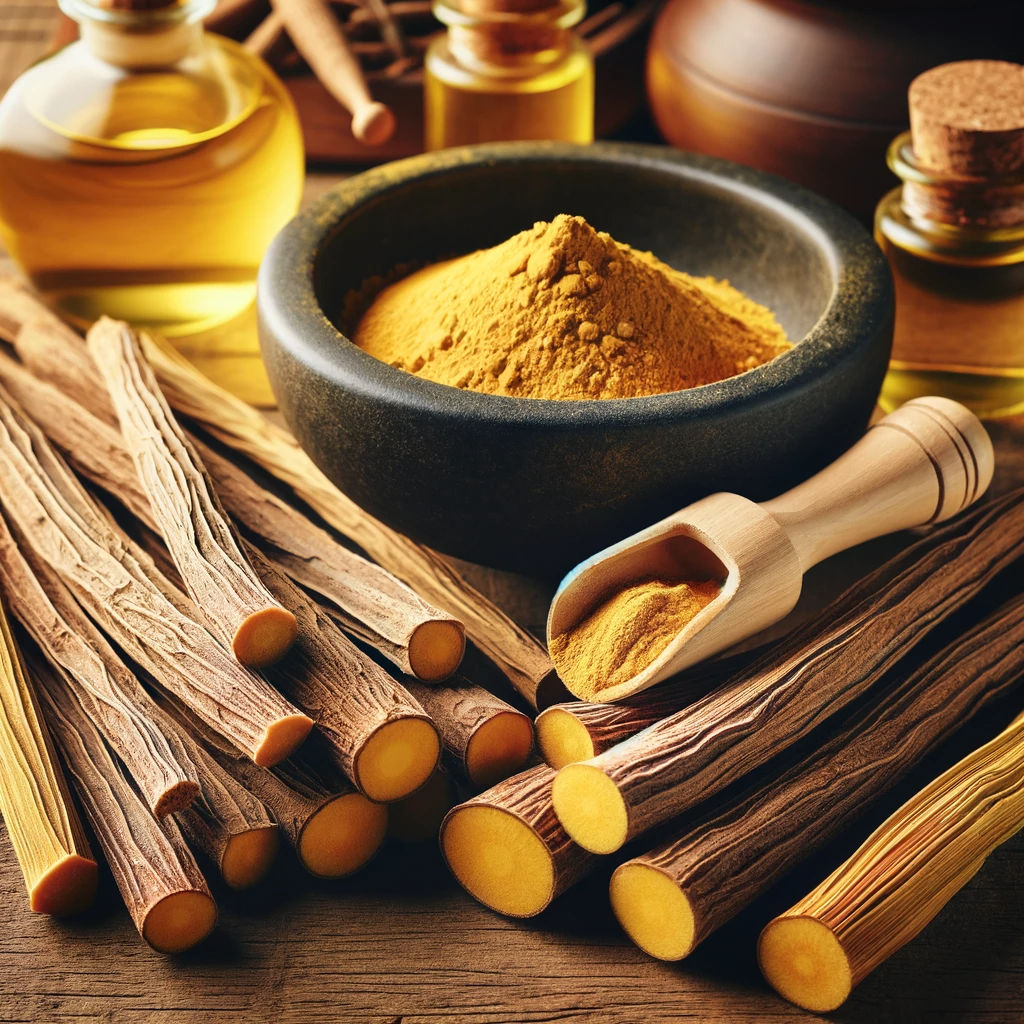
Vasambu: An Ancient Remedy for Head Lice

May 27, 2019 by sharvayonibeauty Leave a Comment

Head lice infestations can be persistent and uncomfortable, affecting people of all ages. While there are numerous chemical treatments available, natural remedies often offer a safer and gentler alternative. Vasambu, also known as sweet flag, is a traditional herb widely used in India for treating various scalp issues, including lice. This article explores how to use Vasambu effectively to combat head lice.

The Power of Traditional Herbs in Hair Care

Vasambu has been recognized for its medicinal properties, especially in Ayurveda. It’s particularly noted for its effectiveness against scalp problems like lice infestations.

Things Needed

  • 5-6 sticks of Vasambu.

Steps to Prepare

  1. Grinding Vasambu: Start by grinding the Vasambu sticks into a fine powder.
  2. Making a Paste: Mix the powdered Vasambu with water to create a fine paste. The consistency should be balanced – not too thick and not too watery.

How to Apply

  • Apply the Vasambu paste thoroughly throughout your hair and scalp.
  • Ensure that the paste covers all areas, particularly near the roots where lice tend to reside.
  • Leave the paste on your hair overnight.
  • In the morning, wash it off with plain water.

Frequency of Application

It’s recommended to use this Vasambu pack once or twice a week. Regular application over a few months will yield significant results in reducing lice activity.

Benefits

  • Natural Anti-Lice Properties: Vasambu is known for its anti-microbial properties, making it effective in removing head lice.
  • Scalp Health: Regular use of Vasambu can alleviate other scalp problems like dandruff.
  • Promotes Healthy Hair: It contributes to overall hair health, making hair lice-free and healthier.

Precautions

  • Conduct a patch test to ensure you’re not allergic to Vasambu.
  • Be cautious to avoid getting the paste into your eyes, as it may cause irritation.

Tips for Enhanced Effectiveness

  • Grind the Vasambu sticks as finely as possible for easier application.
  • Combine this treatment with regular combing using a fine-toothed comb to remove lice and nits.
  • Maintain good hair hygiene to prevent re-infestation.

Additional Insights: The Role of Natural Remedies in Hair Health

Incorporating traditional herbs like Vasambu into hair care routines can offer a holistic approach to treating scalp issues and improving overall hair health.

Conclusion

Vasambu is a time-tested natural remedy for head lice, offering a safe and effective solution. By incorporating this treatment into your regular hair care routine, you can effectively combat head lice infestations while promoting a healthy, dandruff-free scalp. Remember, consistency and patience are key to achieving the best results with natural remedies.
Filed Under: Hair Care Tagged With: ancient hair care practices, anti-lice herbal remedy, beauty tips, combating head lice, dandruff removal, effective lice control, hair care, Hair health, herbal remedies for lice, maintaining scalp health, natural head lice treatment, natural scalp treatments, remove-head-lice, safe lice solutions, scalp health improvement, traditional hair care, vasambu, Vasambu benefits, Vasambu for lice

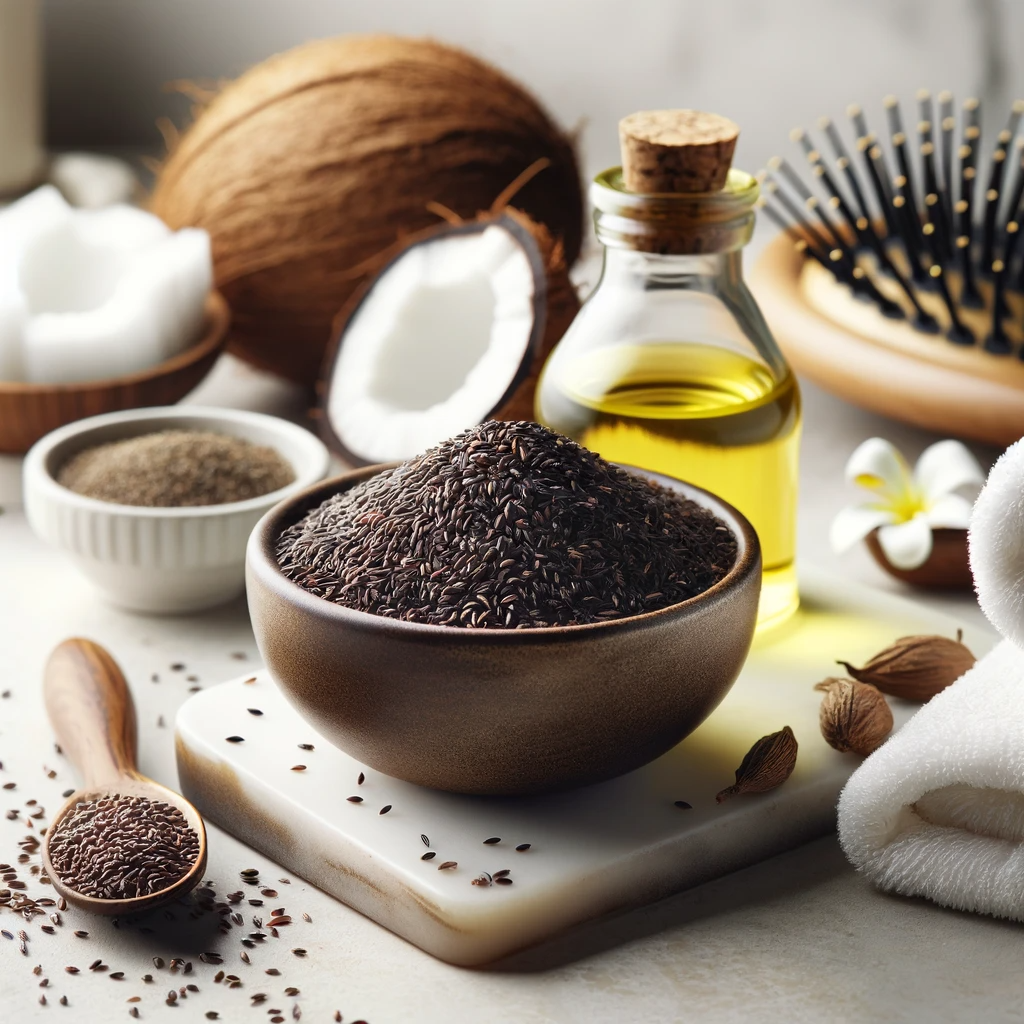
Wild Cumin Seed and Coconut Oil: A Natural Solution for Head Lice

May 22, 2019 by sharvayonibeauty Leave a Comment

Head lice infestation is a common and often frustrating issue. Seeking a natural solution that is both effective and gentle on the scalp can be challenging. This article presents a remedy using wild cumin seeds, milk, and coconut oil to combat head lice, offering relief from itching and scratching while nurturing the scalp and hair.

Understanding Head Lice and Natural Treatments

Head lice are tiny parasites that feed on blood from the human scalp. Natural remedies can be an effective alternative to chemical treatments, providing relief without harsh side effects.

Things Needed

  • Two tablespoons of wild cumin seeds.
  • Half a glass of raw milk.
  • Two tablespoons of coconut oil.

Steps to Prepare

  1. Soaking Wild Cumin Seeds: Soak the wild cumin seeds in milk for one day. This process enhances the potency of the seeds.
  2. Grinding the Seeds: After soaking, grind the wild cumin seeds into a paste.
  3. Creating the Mixture: Mix the ground cumin seeds with coconut oil to form a consistent blend.

How to Apply

  • Apply the mixture directly to the hair and scalp before going to bed.
  • Ensure even coverage, focusing on areas prone to lice infestation.
  • Leave the treatment on overnight for maximum effectiveness.
  • The next morning, wash the hair with warm water.

Frequency of Application

For best results, apply this remedy three times a week. Continue the treatment for a few months to observe a significant reduction in lice activity.

Benefits

  • Wild Cumin Seeds: Known for their anti-microbial properties, they effectively eliminate head lice and soothe skin infections caused by lice. Their anti-inflammatory qualities reduce itching and irritation.
  • Coconut Oil: Nourishes the scalp and hair, providing moisture and strengthening hair from the roots.
  • Milk: The soaking process in milk enhances the properties of cumin seeds, making the remedy more effective.

Precautions

  • Ensure you are not allergic to any of the ingredients, particularly wild cumin seeds.
  • Avoid contact with eyes as the mixture can cause irritation.

Tips for Enhanced Effectiveness

  • Use fresh, raw milk and high-quality wild cumin seeds for the best results.
  • Regularly comb the hair with a fine-toothed comb to remove dead lice and nits after treatment.
  • Maintain hair hygiene to prevent re-infestation.

Additional Insights: Natural Remedies and Hair Health

Incorporating natural remedies like wild cumin seeds into hair care routines can offer a holistic approach to treating scalp issues and improving overall hair health.

Conclusion

The combination of wild cumin seeds, milk, and coconut oil offers a potent natural remedy for tackling head lice infestation. By consistently applying this mixture, you can effectively reduce lice activity while nourishing and strengthening your hair. Embracing natural solutions provides a safe and gentle alternative to chemical treatments, promoting healthier hair and scalp.

Filed Under: Hair Care Tagged With: anti-inflammatory benefits, anti-microbial properties, beauty tips, black cumin seed, coconut oil, coconut oil benefits, effective lice control, hair care, hair care solutions, Hair Nourishment, Hair Strengthening, head lice prevention, lice remedy, milk, natural head lice treatment, natural lice solution, Organic Hair Care, remove-head-lice, scalp health, Soothing Scalp Treatment, wild cumin seeds for hair

Primary Sidebar

Looking for something?

Connect with us online

  • Email
  • Facebook

Popular Posts!

Nourish Your Skin with an Oatmeal and Skim Milk Face Mask

Get Strong Hair Naturally using Curd and Green Gram Powder

Treating Cuts, Burns, or Skin Problems with Curry Leaves

A Natural Teeth-Whitening Solution: Salt’s Oral Health Benefits

Refreshing Beet and Cucumber Smoothie: A Complete Guide

Categories

  • Hair Care
  • Health and Wellness
  • Skin Care

Tags

beauty benefits beauty tips Chemical-Free Hair Care coconut oil curd curry leaves dark circles DIY Hair Care egg exfoliation eye care glowing skin hair care Hair Care Routine hair care tips hair growth Hair health Hair Health Improvement hair loss Hair Nourishment Hair Strengthening health and wellness honey hydration lemon lemon juice milk natural beauty natural conditioner natural face mask Natural hair care Natural Hair Growth Natural Hair Remedies natural ingredients natural remedies Natural remedy natural skincare olive oil radiant complexion radiant skin scalp health Scalp Nourishment skin care skincare skincare routine

© 2026 · Sharvayoni · Privacy Policy · Disclaimer