• Skip to main content
  • Skip to primary sidebar
  • HOME
  • SKIN CARE
  • HAIR CARE
  • HEALTH AND WELLNESS
  • CONTACT US

Sharvayoni

Unearth Nature's Magic - Your Path to Herbal Radiance and Wellnes

hair care

Chamomile and Lavender Glycerin Shampoo: A Gentle, Natural Hair Care Solution

January 15, 2024 by sharvayonibeauty Leave a Comment

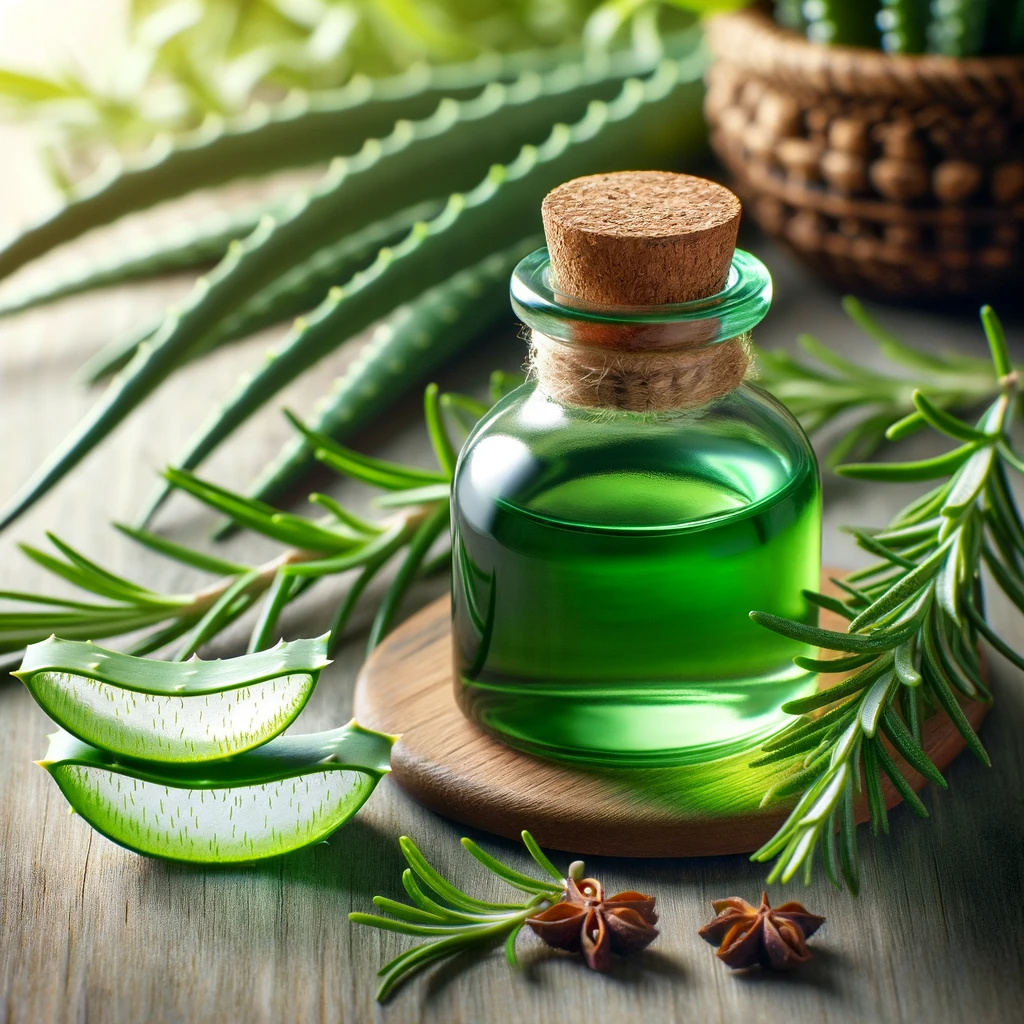
In the quest for more natural and gentle hair care products, creating your own shampoo can be a rewarding experience. This recipe features a blend of chamomile tea, lavender-scented castile soap, and glycerin, offering a soothing and nourishing shampoo that is perfect for all hair types. Chamomile is known for its calming properties, while lavender adds a relaxing scent. Glycerin provides additional moisturizing benefits, making this shampoo ideal for those looking to nurture their hair with nature’s gifts.

Things Needed

To prepare this chamomile and lavender glycerin shampoo, you will need:

  1. Chamomile Tea Bags: 6 bags for their soothing properties.
  2. Water, Distilled: 1 cup, to avoid the minerals in tap water.
  3. Liquid Castile Soap (Lavender): 1 cup, for a gentle cleansing base.
  4. Glycerin: 1 ½ tablespoons, for added moisture.
  5. Tea Cup: For brewing the chamomile tea.
  6. Saucepan: To boil the water.
  7. Dark Glass Bottle: To store the shampoo and protect it from light.
  8. Measuring Cups and Spoons: For accurate ingredient measurements.
  9. Stirring Tool: Such as a spoon or whisk.

Steps to Prepare

Creating your own chamomile and lavender glycerin shampoo is a simple process:

  1. Brew Chamomile Tea: Bring 1 cup of water to a boil in a saucepan. Transfer the boiling water into a tea cup and steep 6 chamomile tea bags for 20 minutes to extract the full benefits of the chamomile.
  2. Combine with Castile Soap: After the tea has steeped, remove the tea bags. Pour 1 cup of lavender-scented liquid castile soap into the chamomile tea, stirring gently to combine.
  3. Add Glycerin: Measure 1 ½ tablespoons of glycerin and add it to the tea and soap mixture. Stir thoroughly until the glycerin is fully incorporated. Glycerin will act as a natural humectant, attracting moisture to your hair.
  4. Transfer to Bottle: Carefully pour the shampoo mixture into a dark glass bottle. A dark bottle is essential to protect the natural ingredients from light, which can reduce their effectiveness.
  5. Store Properly: Keep the shampoo in a cool, dry, and dark place to maintain its quality and extend its shelf life.
  6. Use as Regular Shampoo: Shake well before each use. Apply to your hair as you would with any regular shampoo.

Benefits

This homemade chamomile and lavender glycerin shampoo offers several benefits:

  1. Gentle Cleansing: The liquid castile soap provides a gentle, effective clean without the harsh chemicals found in many commercial shampoos.
  2. Soothing Properties: Chamomile is known for its calming effects, which can soothe the scalp and reduce irritation.
  3. Moisturizing: Glycerin adds moisture to the hair, leaving it soft and hydrated.
  4. Natural Fragrance: Lavender adds a relaxing and pleasant scent to the shampoo, enhancing the washing experience.
  5. Scalp Health: The natural ingredients are gentle on the scalp, making this shampoo suitable for those with sensitive skin or scalp conditions.
  6. Chemical-Free: This shampoo is free from sulfates, parabens, and synthetic fragrances, making it a healthier choice for your hair and the environment.
  7. Customizable: You can adjust the amount of glycerin based on your hair’s moisture needs.
  8. Eco-Friendly: Homemade shampoos reduce plastic waste and the environmental impact associated with commercial hair care products.

Conclusion

Creating your own chamomile and lavender glycerin shampoo is a delightful way to embrace natural hair care. This gentle, moisturizing, and soothing shampoo is not only effective but also provides a chemical-free alternative to store-bought products. Its natural ingredients work in harmony to cleanse, hydrate, and soothe your hair and scalp, making it suitable for daily use. Enjoy the process of crafting your shampoo and the nourishing benefits it brings to your hair care routine.
Filed Under: Hair Care Tagged With: beauty tips, DIY Chamomile Shampoo, Eco-Friendly Hair Products, Gentle Cleansing, Glycerin for Hair, hair care, Homemade Shampoo, Lavender Essential Oil, Moisturizing Shampoo, Natural hair care, Scalp Soothing, Sulfate-Free Shampoo

Aloe Vera and Rosemary Hair Growth Potion: A Natural Solution for Healthy Hair

January 14, 2024 by sharvayonibeauty Leave a Comment

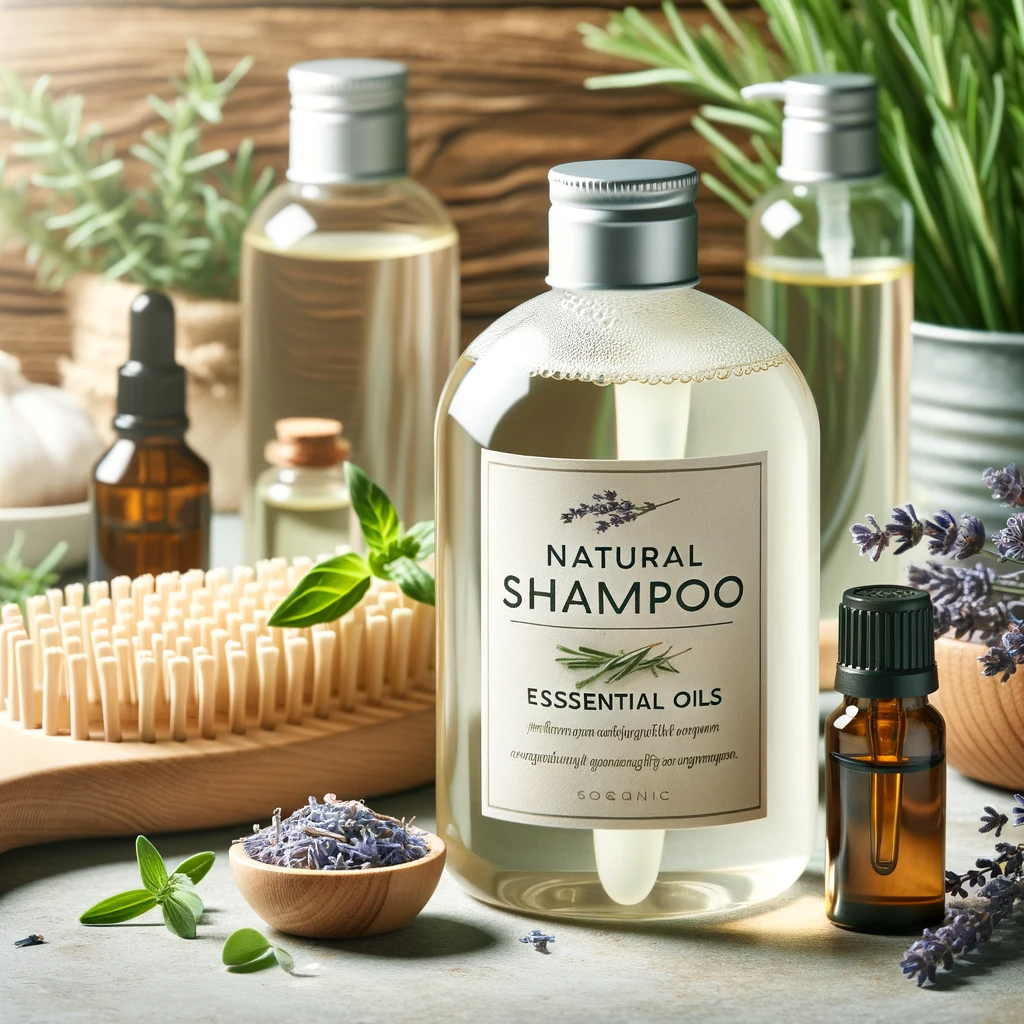
In the pursuit of natural hair care remedies, concocting a hair growth potion with aloe vera and rosemary essential oil offers a compelling blend of benefits. This recipe not only stimulates hair growth but also possesses anti-fungal and anti-bacterial properties, making it a wholesome treatment for maintaining a healthy scalp and hair. Aloe vera, known for its soothing and moisturizing qualities, combines with the stimulating effects of rosemary essential oil to create a potent solution for those seeking to enhance their hair’s natural vitality.

Things Needed

To prepare this hair growth potion, gather the following ingredients and tools:

  1. Water: 1/4-1/2 cup, preferably distilled to avoid impurities.
  2. Aloe Vera Gel: Fresh gel is ideal, but store-bought pure aloe vera gel can also be used.
  3. Rosemary Essential Oil: Known for its hair growth stimulating properties.
  4. Mixing Bowl: For combining the ingredients initially.
  5. Electric Blender: To blend the mixture to a smooth consistency.
  6. Storage Container: A bottle or jar to store the hair potion.
  7. Measuring Tools: For accurate proportions of ingredients.
  8. Spoon or Whisk: For stirring the ingredients.

Steps to Prepare

Creating your aloe vera and rosemary hair growth potion involves a few simple steps:

  1. Combine Ingredients: In the mixing bowl, add the aloe vera gel and water. The amount of water used can vary depending on the desired consistency; use less water for a thicker potion and more for a thinner one.
  2. Add Essential Oil: Incorporate several drops of rosemary essential oil into the mixture. The quantity can be adjusted based on your preference, but generally, 5-10 drops are sufficient.
  3. Blend the Mixture: Transfer the combined ingredients into an electric blender. Blend until a smooth consistency is achieved, ensuring that the aloe vera is thoroughly mixed with the water and essential oil.
  4. Store the Potion: Pour the blended mixture into your storage container. An applicator bottle can be particularly useful for easy application to the scalp and hair.
  5. Refrigeration: If using fresh aloe vera, it’s recommended to store the potion in the refrigerator to preserve its freshness.

Benefits

This homemade hair growth potion offers several advantages:

  1. Stimulates Hair Growth: Rosemary essential oil is renowned for its ability to stimulate hair follicles, promoting faster hair growth.
  2. Anti-Fungal and Anti-Bacterial: The natural properties of both aloe vera and rosemary help in maintaining a healthy, clean scalp, free from fungal and bacterial infections.
  3. Moisturizes Scalp and Hair: Aloe vera gel is an excellent moisturizer, preventing dryness and dandruff.
  4. Soothes Scalp Irritations: Aloe vera’s soothing properties help in reducing scalp inflammation and irritation.
  5. Strengthens Hair: Regular use of this potion can strengthen hair, reduce breakage, and enhance hair texture.
  6. Natural and Chemical-Free: This potion is free from harsh chemicals, making it a safe and environmentally friendly option for hair care.
  7. Easy and Cost-Effective: The recipe is simple to prepare and uses readily available ingredients, making it a cost-effective alternative to commercial hair growth products.

Conclusion

The aloe vera and rosemary hair growth potion is a wonderful natural remedy for those seeking to boost their hair health and growth. Its combination of moisturizing, anti-fungal, and hair-stimulating properties makes it a versatile and effective solution for various hair and scalp issues. Incorporating this potion into your regular hair care routine can lead to healthier, stronger, and more vibrant hair. Remember, as with any natural remedy, results may vary, and it’s always best to conduct a patch test before applying new products to your scalp or skin. Embrace this natural approach for a healthier, happier head of hair.

Filed Under: Hair Care Tagged With: Aloe Vera for Hair, Anti-Fungal Hair Solution, beauty tips, Chemical-Free Hair Care, DIY Hair Care, hair care, Hair Strengthening, Homemade Hair Potion, Moisturizing Hair Treatment, Natural Hair Growth, Rosemary essential oil, scalp health

Herbal Essence: Crafting a Natural Shampoo with Essential Oils

January 13, 2024 by sharvayonibeauty Leave a Comment

In the ever-evolving world of natural hair care, crafting your own shampoo has become a popular and rewarding endeavor. This guide will walk you through creating a luxurious and hydrating shampoo using a blend of essential oils, including lavender, ylang ylang, and rosemary, mixed with an unscented shampoo base and jojoba oil. This combination not only cleanses your hair but also provides therapeutic benefits, leaving your hair nourished and refreshed.

Things Needed

To begin crafting your herbal essence shampoo, gather the following materials:

  1. Unscented Shampoo Base: Serves as the foundation for your shampoo.
  2. Lavender Essential Oil: Known for its soothing properties.
  3. Ylang Ylang Essential Oil: Adds a rich, floral fragrance and promotes hair health.
  4. Rosemary Essential Oil: Stimulates hair growth and adds a refreshing scent.
  5. Jojoba Oil (Optional): Provides additional hydration to the hair.
  6. Mixing Bowl: For combining the ingredients.
  7. Funnel: To transfer the shampoo into a bottle.
  8. 8-Ounce Bottle: To store your shampoo.
  9. Measuring Tools: To accurately measure your ingredients.

Steps to Prepare

Creating your own herbal essence shampoo is simple and satisfying:

  1. Prepare the Base: Pour 7 fluid ounces of the unscented shampoo base into the mixing bowl.
  2. Add Essential Oils: Blend 40 drops of lavender essential oil, 5 drops of ylang ylang essential oil, and 10 drops of rosemary essential oil into the shampoo base. If desired, add 1 tablespoon of jojoba oil for extra hydration.
  3. Mix Thoroughly: Stir the mixture thoroughly until the essential oils are well incorporated into the shampoo base. This ensures a uniform distribution of the oils for maximum benefit.
  4. Transfer to Bottle: Using a funnel, carefully pour the shampoo into an 8-ounce bottle. This will make application easy and convenient.
  5. Application: Use this shampoo as you would a regular shampoo. Its natural ingredients are gentle yet effective.

Benefits

This homemade herbal essence shampoo offers numerous benefits:

  1. Gentle Cleansing: The unscented shampoo base provides a gentle cleanse, suitable for all hair types.
  2. Soothing Aroma: Lavender essential oil offers a calming and soothing fragrance, making your hair washing experience more relaxing.
  3. Hair Strengthening: Rosemary essential oil is known for its ability to stimulate hair growth and strengthen hair.
  4. Hydrating Properties: Jojoba oil deeply hydrates the hair, leaving it soft and nourished.
  5. Scalp Health: The blend of essential oils can help maintain a healthy scalp, reducing issues like dandruff and itchiness.
  6. Customizable: You can adjust the ratios of essential oils based on your scent preference and hair needs.
  7. Natural and Chemical-Free: This shampoo is free from harsh chemicals and synthetic fragrances, making it a healthier choice for your hair and the environment.

Note

Always adhere to essential oil safety precautions. Conduct a skin patch test before using the shampoo to ensure you are not allergic to any of the ingredients. It’s important to use essential oils that are gentle to the skin and of high quality.

Conclusion

Creating your own herbal essence shampoo is a delightful way to incorporate natural ingredients into your hair care routine. This shampoo not only cleanses your hair but also turns your shower into a therapeutic experience, thanks to the fragrant and beneficial essential oils. The process is simple, the results are rewarding, and the benefits are plentiful. Embrace this natural approach to hair care and enjoy the luxurious, nurturing experience it provides.

Filed Under: Hair Care Tagged With: beauty tips, DIY Herbal Shampoo, Eco-Friendly Hair Care, Essential Oil Shampoo, hair care, Homemade Hair Care, Jojoba Oil Benefits, Lavender Essential Oil, Natural Shampoo Making, Rosemary Oil for Hair, Unscented Shampoo Base, ylang ylang oil

Caffeine: The Natural DHT Blocker for Enhanced Hair Health

January 12, 2024 by sharvayonibeauty Leave a Comment

In the quest for healthy hair, caffeine emerges as a potent natural ingredient, particularly for its ability to block Dihydrotestosterone (DHT), a hormone implicated in hair loss. This article will explore how incorporating caffeine into your hair care routine can stimulate hair growth and prevent hair loss, offering an accessible and natural alternative to commercial products.

Things Needed

To prepare a caffeine-based hair treatment, gather:

  • 4 teaspoons of caffeine powder or finely ground coffee
  • 8 ounces of regular shampoo, water, or a deep hair mask

Steps to Prepare

Creating your caffeine hair treatment involves:

  1. Shampoo Mixture: Mix 4 teaspoons of caffeine powder or coffee with 8 ounces of shampoo. Shake well before each use.
  2. Water Solution: Alternatively, blend caffeine with 8 ounces of water for a scalp application.
  3. Hair Mask: For deeper conditioning, mix caffeine into a hair mask.

How to Apply

Effective application methods include:

  1. Using Caffeine-Infused Shampoo: Apply twice a week, shaking the bottle before use.
  2. Direct Scalp Application: Apply the caffeine and water mixture to the scalp daily.
  3. Hair Mask Treatment: Use the caffeine hair mask, leaving it on for 20 minutes before rinsing.

Precautions

When using caffeine for hair care:

  • Allergy Test: Check for allergic reactions to caffeine.
  • Avoid Overuse: Excessive caffeine can dry out the scalp.

Tips

Enhance the treatment’s effectiveness:

  • Consistency: Regular application is key.
  • Gentle Massaging: Stimulate the scalp with gentle massaging during application.

Benefits

The advantages of using caffeine in hair care are numerous:

  • DHT Blockage: Effective in reducing hair loss caused by DHT.
  • Hair Growth Stimulation: Encourages the growth of healthier, stronger hair.
  • Improves Hair Structure: Regular use strengthens hair.
  • Cost-Effective and Natural: A budget-friendly, natural alternative to commercial products.

How Caffeine Blocks DHT

Understanding caffeine’s role in hair health involves its interaction with DHT:

  1. Inhibiting DHT Production: Caffeine can suppress the activity of 5-alpha reductase, reducing DHT levels in hair follicles.
  2. Stimulating Hair Follicles: It promotes hair growth by stimulating follicles at a molecular level, countering the follicle-shrinking effects of DHT.
  3. Enhancing Blood Circulation: Improved scalp blood flow from caffeine application further nourishes hair follicles.

Conclusion

Caffeine is a valuable, natural tool in the fight against hair loss, especially related to DHT. Incorporating it into your hair care routine can lead to healthier, more vibrant hair. However, for severe hair loss, consult a healthcare professional for tailored advice.

Additional Considerations

For optimal hair health:

  • Balanced Diet: Nutrition plays a vital role.
  • Hydration: Essential for overall health, including the scalp and hair.
  • Gentle Hair Care Practices: Avoid harsh chemicals and excessive heat styling.

By combining caffeine treatments with healthy habits, you can maximize the health and appearance of your hair.

Filed Under: Hair Care Tagged With: beauty tips, caffeine benefits for hair, caffeine hair treatment, combating hair loss, DHT blocker, DIY caffeine hair mask, hair care, hair care tips, hair growth stimulation, Hair health, hair loss remedy, healthy hair practices, Homemade Hair Care, Natural Hair Growth, Natural Hair Solutions, reducing hair loss, stimulating hair follicles

Natural Refreshing Shampoo: Tea Tree, Peppermint, and Jojoba Oil Blend

January 12, 2024 by sharvayonibeauty Leave a Comment

In the world of hair care, the move towards natural and organic products is more than a trend – it’s a return to purity and simplicity. Among these, a homemade shampoo blending tea tree and peppermint essential oils with the nourishing touch of jojoba oil offers a refreshing and therapeutic experience. This recipe, using liquid Castile soap as a base, provides a gentle yet effective cleansing solution for your hair, combining the antibacterial and soothing properties of essential oils with the moisturizing benefits of jojoba oil.

Things Needed

Gather the following items to create your homemade refreshing shampoo:

  1. Tea Tree Essential Oil: Known for its antibacterial properties.
  2. Peppermint Essential Oil: Adds a cooling and refreshing sensation.
  3. Jojoba Oil: Acts as a natural moisturizer.
  4. Liquid Castile Soap: Serves as a gentle soap base.
  5. Distilled Water: To dilute the mixture.
  6. Flip Cap Bottles or Foaming Bottles: For easy dispensing.
  7. Small Mixing Bowl: For combining ingredients.
  8. Measuring Spoons: For precise measurements.
  9. Whisk or Spoon: To mix the ingredients.

Steps to Prepare

Creating this natural shampoo is a simple process:

  1. Combine Base Ingredients: In the small mixing bowl, mix ¼ cup of liquid Castile soap with 2 teaspoons of jojoba oil. Stir them together until well combined.
  2. Add Water: Pour ¼ cup of distilled water into the mixture and stir thoroughly. Distilled water is preferred to avoid the minerals in tap water that can affect the shampoo’s effectiveness.
  3. Incorporate Essential Oils: Measure 1/8 teaspoon each of tea tree and peppermint essential oils and add them to the mixture. These oils provide a refreshing scent and additional scalp benefits.
  4. Stir Well: Ensure that all the oils are well distributed throughout the mixture.
  5. Transfer to Bottle: Pour the shampoo into a flip cap or foaming bottle for convenient storage and use.
  6. Shake Before Use: Always shake the bottle well before each use to ensure the ingredients are well mixed.
  7. Application: Apply the shampoo as you would with any regular shampoo. The natural ingredients make it suitable for daily use.
  8. Rinse and Dry: Wash your hair thoroughly with the shampoo, then rinse and pat dry.

Benefits

This homemade shampoo offers several benefits:

  1. Gentle Cleansing: Liquid Castile soap provides a gentle cleansing action, suitable for all hair types, including sensitive scalps.
  2. Antibacterial Properties: Tea tree oil is known for its natural antibacterial and antifungal properties, making it excellent for maintaining a healthy scalp.
  3. Refreshing Sensation: Peppermint oil offers a cooling effect, which can be invigorating and refreshing, especially in warm weather or after a workout.
  4. Moisturizing: Jojoba oil is a great natural moisturizer, helping to keep the hair hydrated and preventing dryness.
  5. Natural and Chemical-Free: This shampoo is free from harsh chemicals, sulfates, and parabens, commonly found in commercial shampoos.
  6. Scalp Health: The combination of ingredients promotes a healthy scalp, which is essential for healthy hair growth.
  7. Customizable: You can adjust the amounts of essential oils to suit your scent preferences and scalp needs.
  8. Eco-Friendly: Homemade shampoos reduce plastic waste and are environmentally friendly.

Conclusion

Creating your own natural shampoo with tea tree, peppermint, and jojoba oil is a rewarding experience that offers numerous benefits for your hair and scalp. This easy-to-make, cost-effective shampoo not only cleanses and refreshes but also aligns with a sustainable and health-conscious lifestyle. It’s an excellent way to return to the roots of hair care, embracing the natural properties of essential oils and the gentle cleansing of Castile soap. Give your hair the gift of nature’s best, and enjoy the refreshing, therapeutic benefits it brings.

Filed Under: Hair Care Tagged With: beauty tips, DIY Hair Care, Eco-Friendly Hair Products, Gentle Shampoo Recipe, hair care, Homemade Shampoo, Jojoba Oil Hair Care, Moisturizing Hair Shampoo, Natural Hair Cleansing, Peppermint Oil for Hair, scalp health, Tea Tree Oil Shampoo

  • « Go to Previous Page
  • Page 1
  • Interim pages omitted …
  • Page 25
  • Page 26
  • Page 27
  • Page 28
  • Page 29
  • Interim pages omitted …
  • Page 56
  • Go to Next Page »

Primary Sidebar

Looking for something?

Connect with us online

  • Email
  • Facebook

Popular Posts!

Neem and Tea Tree Oils: Potent Fungal Fighters for Scalp Health

Get Wrinkle Free Skin with Watermelon

Anti-Dandruff Herbs Tonic: A Natural Scalp Treatment

Raw Milk To Deep Cleanse Your Skin

The Ultimate Green Detox Smoothie: A Guide to Refreshing Nutrition

Categories

  • Hair Care
  • Health and Wellness
  • Skin Care

Tags

beauty benefits beauty tips Chemical-Free Hair Care coconut oil curd curry leaves dark circles DIY Hair Care egg exfoliation eye care glowing skin hair care Hair Care Routine hair care tips hair growth Hair health Hair Health Improvement hair loss Hair Nourishment Hair Strengthening health and wellness honey hydration lemon lemon juice milk natural beauty natural conditioner natural face mask Natural hair care Natural Hair Growth Natural Hair Remedies natural ingredients natural remedies Natural remedy natural skincare olive oil radiant complexion radiant skin scalp health Scalp Nourishment skin care skincare skincare routine

© 2026 · Sharvayoni · Privacy Policy · Disclaimer